Home > HVAC >
HVAC Service & Maintenance in Fredericksburg, IN
Professional HVAC maintenance ensures your system in Fredericksburg, IN runs efficiently and safely. Contact us for expert diagnostics and proactive service solutions.
Inconsistent Indoor Temperatures and System Performance Issues
Does your home feel uncomfortably cold in winter or overly warm in summer despite the thermostat settings? Homeowners in Fredericksburg, IN facing unreliable system performance or rising energy bills should contact us today to secure professional HVAC maintenance and diagnostics.
Achieving a stable indoor environment requires more than just basic repairs; it demands a proactive approach to system health. Without regular attention, minor wear and tear can escalate into critical failures during the peak of the Indiana summer or the dead of winter.
- Achieve optimal indoor climate through precise diagnostics and industry-leading repair technologies.
- Prevent unexpected malfunctions with our tailored maintenance plans.
- Enjoy peace of mind with our emergency response protocols and satisfaction guarantee.
Fully licensed and insured, we adhere closely to local building codes and offer varied financing options to ensure your comfort is never compromised by budget constraints.
Comprehensive HVAC Maintenance: Scope and Execution
HVAC maintenance is not merely a visual inspection; it is a rigorous, technical process designed to restore your system to factory specifications. When a technician arrives at your property, the objective is to reverse the effects of seasonality and usage that degrade system efficiency over time. In an area with distinct four seasons, your equipment undergoes significant stress shifting from high humidity removal in August to intense heating demands in January.
The scope of a professional tune-up covers the entire mechanical and electrical spectrum of the unit. This includes the calibration of safety controls, the analysis of airflow dynamics, and the cleaning of critical heat transfer surfaces. Over time, components such as evaporator coils and heat exchangers accumulate dust and debris. This accumulation acts as an insulator, preventing the system from absorbing or releasing heat effectively. The result is a system that must run longer and harder to achieve the desired temperature, directly inflating operational costs.
Current maintenance protocols focus heavily on the electrical integrity of the system. Loose connections, pitted contactors, and weak capacitors are the leading causes of compressor and blower motor failures. By identifying these electrical anomalies early, the service prevents catastrophic component failure that often leads to expensive replacements. The service also includes a thorough inspection of the condensate drain lines to prevent water damage and biological growth, which can impact indoor air quality.
The Maintenance Process: Step-by-Step System Optimization
Understanding the specific steps involved in a maintenance visit helps homeowners recognize the value of the service. The process is systematic, ensuring no component is overlooked.
Initial System Assessment
The process begins with a complete operational test. The technician cycles the thermostat to observe the startup sequence, listening for irregular noises and monitoring the time it takes for the system to engage. This baseline assessment highlights immediate red flags regarding ignition sequences in furnaces or compressor engagement in air conditioners.
Airflow and Filtration Analysis
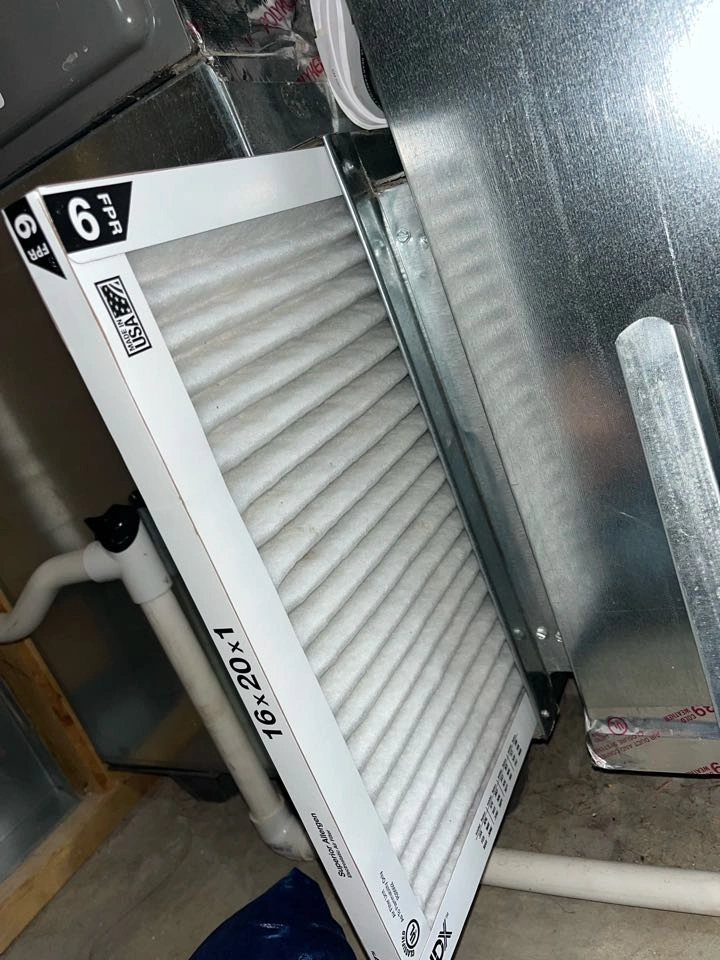
Proper airflow is the lifeblood of any HVAC system. The technician inspects the ductwork for visible leaks or disconnects and evaluates the condition of the air filter. If the filter is clogged, it restricts air intake, causing the blower motor to overheat. Static pressure readings are often taken to ensure the duct system is sized correctly for the equipment.
Electrical Component Testing
The technician uses a multimeter to measure the voltage and amperage of all motors and the compressor. These readings are compared against the manufacturer’s rated specifications. Significant deviations indicate wear. All wiring connections are tightened, and safety switches are tested to ensure they will shut the system down in the event of a fault.
Cleaning and Heat Transfer Optimization
For cooling systems, the condenser coils are chemically cleaned to remove dirt, grass clippings, and pollen. Clean coils allow for efficient heat rejection. For heating systems, the burners are cleaned to ensure a proper flame sensor signal and efficient combustion. The heat exchanger is inspected for cracks using inspection cameras to ensure there is no risk of carbon monoxide leakage.
Refrigerant Level Verification
In air conditioning and heat pump systems, the refrigerant charge is critical. Technicians attach gauges to measure subcooling and superheat levels. An incorrect charge—whether too low due to a leak or too high due to amateur service—drastically reduces efficiency and can damage the compressor.
Final Calibration and Reporting
Once all mechanical and electrical tasks are complete, the system is reassembled and cycled again. The thermostat is calibrated to ensure the temperature reading on the wall matches the actual temperature in the room. Finally, a detailed report is generated, outlining the work performed and flagging any parts that are nearing the end of their service life.
Critical Decision Guide: Repairing vs. Replacing Your Unit
A common dilemma for homeowners is determining when to stop repairing an aging unit and invest in a replacement. This decision involves analyzing the age of the system, the frequency of breakdowns, and the cost of upcoming repairs.
The 50% Rule
A standard industry benchmark is the 50% rule. If the cost of a necessary repair approaches 50% of the value of a new system, replacement is generally the more financial prudency choice. Investing heavily in a depreciating asset often yields diminishing returns, as other components are likely to fail shortly after the repair.
The Age Factor
Most HVAC systems have a lifespan of 10 to 15 years for air conditioners and heat pumps, and 15 to 20 years for furnaces. If your equipment in Fredericksburg is approaching or has exceeded this range, efficiency losses are likely significant. Modern systems are vastly more efficient than those manufactured a decade ago, meaning a new installation often pays for itself over time through reduced utility bills.
Frequency of Service Calls
If you find yourself calling for service multiple times a year, the system has become unreliable. Frequent breakdowns indicate that the internal components are failing systemically. At this stage, Allegiance Heating & Air, LLC. often recommends evaluating the total cost of ownership. Continuing to patch a failing system is often more expensive annually than the monthly cost of financing a new, high-efficiency unit.
Comfort and Air Quality
When a system can no longer maintain humidity control or produces uneven temperatures across different rooms, it is failing its primary purpose. If the heat exchanger in a furnace is compromised, replacement is mandatory for safety reasons. In these instances, repair is rarely a viable or safe option.
Navigating Local Climate and Infrastructure Requirements
Operating an HVAC system in this region requires specific attention to local climate patterns and infrastructure regulations. The environment here is characterized by a humid continental climate, bringing hot, humid summers and cold, snowy winters.
Managing Humidity and Heat Load
During the summer months, high humidity levels force air conditioners to work harder to remove moisture from the air. If a system is short-cycling (turning on and off too quickly) or is oversized, it will cool the air without removing humidity, leading to a clammy and uncomfortable indoor environment. Maintenance ensures the evaporator coil is cold enough to condense moisture effectively.
Winterization and Furnace Safety
The drop in temperature during winter necessitates a reliable heating source. Furnaces must be vented correctly to prevent back-drafting of combustion gases. Local codes dictate specific requirements for flue pipes and fresh air intake to ensure safety. Furthermore, because temperatures can drop below freezing, ensuring that heat pumps have functioning defrost boards is essential to prevent the outdoor unit from turning into a block of ice.
Permitting and Code Compliance
Any significant repair or replacement work must comply with local Indiana building codes. These codes regulate everything from the type of refrigerant used to the electrical disconnects required outside the home. Professional service providers handle the permitting process, ensuring that the work passes inspection. This is crucial when it comes time to sell the home, as unpermitted HVAC work can delay or derail real estate transactions.
Utility Infrastructure
The local utility grid supplies the power necessary for your HVAC system. Voltage fluctuations can damage sensitive electronic control boards. Maintenance often involves checking the grounding and surge protection of the unit to guard against electrical spikes, which are not uncommon during seasonal storms.
Strategic Advantages of Professional Climate Control
Engaging professional services for HVAC maintenance provides benefits that extend beyond simple temperature control. It is an investment in the longevity of the home’s most expensive mechanical system and the health of its occupants.
Enhanced Energy Efficiency
A well-tuned system operates with less resistance. Clean filters, lubricated bearings, and balanced refrigerant charges allow the motors to run at lower amperages. This reduction in energy consumption is reflected directly in monthly utility bills. Over the course of a year, the savings generated by an efficient system can often cover the cost of the maintenance plan itself.
Warranty Preservation
Most equipment manufacturers require proof of annual maintenance to keep warranties valid. If a major component like a compressor fails, the manufacturer may request service records before providing a replacement part. Professional maintenance ensures that this documentation is available, protecting the homeowner from expensive out-of-pocket costs for parts that should be covered.
Improved Indoor Air Quality
The HVAC system circulates air throughout the entire home. If the system is dirty, it circulates dust, mold spores, and allergens. Professional cleaning of the blower assembly and coils significantly reduces the particulate matter in the air. For households with allergy sufferers, this improvement in air quality is a primary benefit of regular service.
Safety Assurance
Combustion appliances involve fire and gas. A cracked heat exchanger or a blocked flue pipe can release carbon monoxide, a colorless and odorless gas, into the living space. Technicians use specialized tools to detect these leaks. Regular safety checks are the only way to ensure the heating system is operating without posing a risk to the household.
Securing Long-Term Comfort and Reliability
The difference between a home that is consistently comfortable and one that struggles with temperature fluctuations often comes down to the quality of maintenance the HVAC system receives. Reactive repairs are stressful, expensive, and often occur at the most inconvenient times. Proactive maintenance moves the homeowner from a position of vulnerability to one of control.
By addressing wear and tear before it results in failure, homeowners ensure their systems run efficiently, safely, and reliably regardless of the weather outside. Whether it is preparing for the humidity of July or the freeze of January, a maintained system is ready for the challenge. Allegiance Heating & Air, LLC. provides the technical expertise and thorough service protocols necessary to keep systems running at peak performance year-round.
Ready for Year-Round Comfort? Let’s Get Started
Take control of your home’s comfort today. Whether you need maintenance, diagnostics, or expert recommendations, our team is here to help.
Connect with Allegiance Heating & Air, LLC. for prompt, professional HVAC solutions—reach out through our contact us page or explore financing options to get started.
Do not wait for a complete system breakdown to address your heating and cooling needs. Secure the efficiency and longevity of your HVAC equipment today — contact our team.
MAINTENANCE PLAN
ALLEGIANCE HEATING & AIR, LLC SERVICE CLUB
At Allegiance Heating & Air, LLC, we provideprofessional HVAC maintenance and offer exclusive deals and discounts within our Service Club Membership to those in and around New Albany, IN. Members of Allegiance Heating & Air, LLC Service Club receive the following benefits:
BENEFITS OF THE MAINTENANCE PLAN
One free cleaning on your A/C.
One free cleaning on your furnace.
Priority scheduling.
Free trip fee with service calls.
Reduced after-hours trip fees.
15% discount on parts and labor.
WHAT OUR CLIENTS HAVE TO SAY ABOUT US

We had a complete HVAC system and a hot water heater installed. The guys were professional, well mannered, and completed the work in a timely manner. Would definitely use them again.
I was nervous at first because my AC broke in the middle of 80 degree weather which is strange for April, but Allegiance Heating and Air was incredibly prompt and professional. The technician arrived within an hour, explained the problem clearly, and completed the repair. The technician , Mr. Garrett Moon was a very nice and courteous young man. He found the problem and fixed it within a timely manner. I highly recommend them for any heating or cooling needs. I’ll definitely give them a call again should I ever have another issue, but hopefully not. Knock on wood 😁. Give them a call… you won’t be disappointed!
From the moment I called to schedule a service, the team was quick to respond and arrived right on time. The technician was professional, friendly, and clearly knowledgeable about my heating system. He explained the repair options in plain language and completed the job efficiently. I appreciated the reliable service and the fact that the work was done the same day. I would definitely recommend Allegiance Heating and Air for any residential HVAC needs.
5/5 stars – I was very impressed with the efficient, affordable and timely service from Allegiance Heating and Air. The technician arrived on time, and performed the service quickly, no repairs needed at this time. Communication was clear and the whole experience felt hassle‑free. I would definitely recommend them for any residential HVAC needs.
Knowledgeable, experienced individual.
Explains Allegiance Heating and Air was incredibly reliable, professional and affordable. They arrived right on time, kept the work area clean and finished the furnace repair quickly. The technician explained everything clearly and the price was a great value. If happiness had a location on Google Maps, it would be here.
Gilbert had to go above and beyond because York is no longer making the part for my furnace. But he was able to find a way to construct a housing bracket for my furnace. Ingenuity, determination and integrity is what finally got my furnace fixed. Gilbert is truly a one of a kind technician.
Thank you for always going the extra mile. Gilbert is always respectful and helpful with any concerns.
"Great service, most knowledgeable and capable HVAC business in Kentuckiana!! Pete Flemming and Bryan the owner, are HVAC encyclopedias. They have the highest integrity of any HVAC business I have ever used. Allegiance has put numerous units in for me over the last 17 years. I will continue to use and trust them."
"Fast response from Allegiance when our heat was out on New Year’s day! Service technician was friendly and efficient. He took the time to explain the problem, tell us about the temporary fix and the plan for permanent repair. We were impressed!"
"Love Allegiance! Their technicians, in particular Benjamin, explain everything. Fast and thorough. A/C was out on a Sunday. Called Allegiance and within a few hours Benjamin arrived. Such a comfort as he was the one who last serviced our units. He quickly replaced part and cooling is restored!"
"My heat pump went out and I had to call after hours. The technician (Garrett) was outstanding and thorough. He got my system up and working until Monday and gave me several options of units. Also took the time to explain the issue to my Home warranty company. I highly recommend this company."
"Right on time :) respectful, fast, and polite. Even gave my fur babies some attention."
"Had Garrett out today to fix our AC. Fantastic tech. He showed up exactly when he said he would and kept us informed of what he was checking and what he found. Highly recommend!"
"Lucas with Allegiance showed up on time as promised, was professional and extremely patient and responsive with all my questions. He took care of the issue, and I feel he was trustworthy! He had us back to cool and comfortable on one of the hottest days of the year."
"Lucas did a great job! Very professional and expedient. Explained the process very well and represented Allegiance as a truly professional and reputable company."
"Arrived on time and work diligently to fix issue. These guy are great. Worked quickly to resolve my issues."
"Lucas was great - he spent a lot of time trying to figure out what was going on and explained everything he was doing. I trust Allegiance and wouldn’t want anyone else working on/in my house!!"