Restore Consistent Indoor Comfort With A Modern Heat Pump System
Inconsistent temperatures, rising energy bills, and strange noises from your HVAC equipment often signal that your system is no longer capable of handling the distinct seasonal shifts in Georgetown, IN. When your heating and cooling capabilities fail during a summer heatwave or a winter freeze, you need a permanent solution rather than a temporary patch. Secure your home’s comfort immediately by visiting schedule service to discuss your installation options.
A failing heat pump compromises more than just the thermostat setting; it affects indoor air quality and monthly household budgets. Homeowners facing these issues require a system designed to handle high humidity in July and freezing temperatures in January. Upgrading to a modern, high-efficiency system resolves these performance gaps and ensures reliable operation regardless of the forecast.
- Eliminate hot and cold spots with balanced airflow and modern zoning capabilities.
- Lower monthly operational costs through higher SEER2 and HSPF2 efficiency ratings.
- Enjoy a seamless transition with a comprehensive installation backed by industry-leading warranties.
All installation services come with full warranty protection and access to flexible financing options.
Comprehensive Heat Pump Replacement Solutions
When you invest in a new heat pump, you are purchasing a dual-purpose system that handles the workload of both a furnace and an air conditioner. Because this equipment operates year-round, the components must be robust and correctly matched to the thermal envelope of your home. A professional replacement service goes beyond simply swapping out the outdoor unit; it involves a holistic upgrade of your home's climate control infrastructure.
The scope of a heat pump installation generally includes the removal of the old condenser and air handler, followed by the integration of state-of-the-art equipment. This includes the outdoor unit, which transfers heat, and the indoor air handler or furnace, which circulates the conditioned air. Modern systems also utilize advanced thermostats that communicate directly with the equipment to modulate fan speeds and compressor output for precise temperature control — check our specials.
Included in a standard replacement service:
- Load Calculation: Technicians perform a Manual J load calculation to determine the exact heating and cooling requirements of your specific floor plan. This ensures the unit is neither undersized (running constantly) nor oversized (short-cycling).
- Equipment Selection: You gain access to various tiers of equipment, including single-stage, two-stage, and variable-speed inverter systems. Variable-speed units offer the highest efficiency by adjusting output in small increments to match the current demand.
- Ductwork Assessment: The efficiency of a new heat pump relies heavily on the distribution system. The service includes inspecting the existing ductwork for leaks, restrictions, or insulation failures that could undermine the performance of the new unit.
- Auxiliary Heat Setup: Given the climate in Georgetown, an electric heat strip or a dual-fuel gas furnace is integrated as a backup heat source. This ensures your home remains warm even when outdoor temperatures drop significantly below freezing.
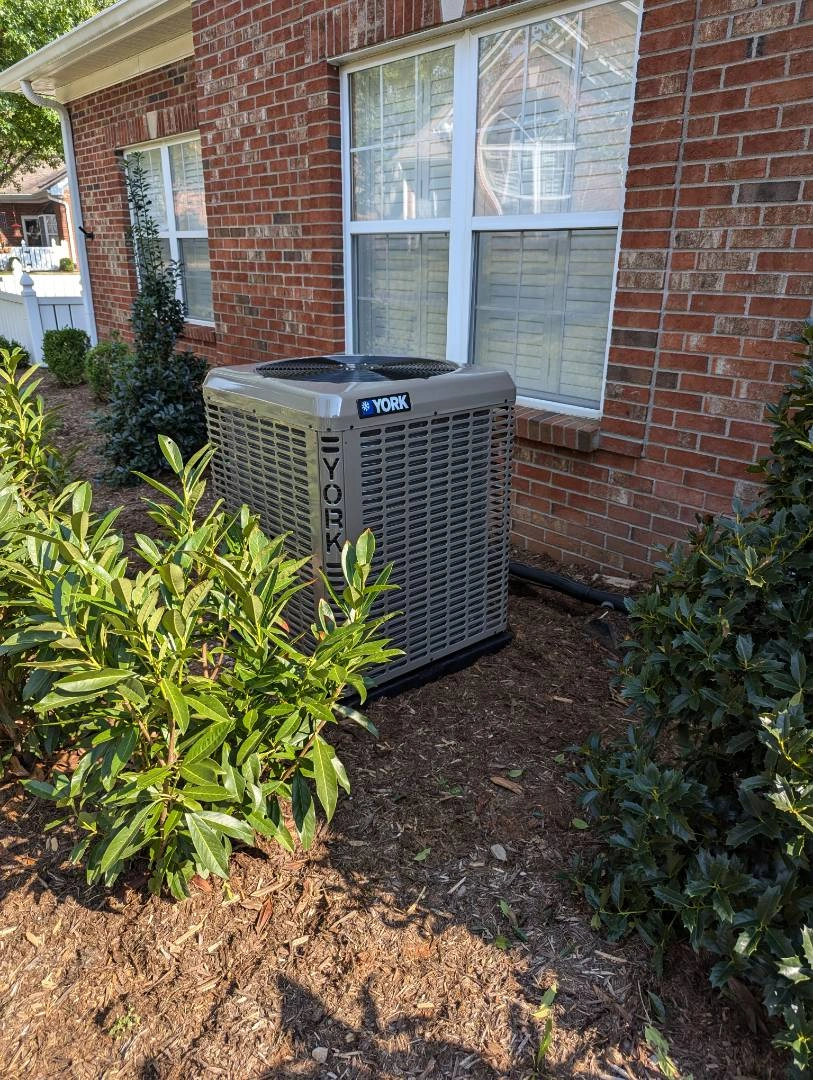
The Installation and Replacement Process
A successful heat pump installation relies on a strict adherence to technical protocols. Cutting corners during the installation phase can reduce the lifespan of the equipment by years and negatively impact efficiency. The process is designed to be efficient, respectful of your property, and technically sound.
- Site Preparation and Protection: The installation team begins by preparing the workspace. This involves laying down drop cloths to protect flooring and clearing the area around the indoor and outdoor units. Safety switches and electrical disconnects are turned off to ensure a safe working environment.
- Refrigerant Recovery and Removal: Before the old unit can be moved, the existing refrigerant must be recovered according to EPA regulations. Technicians use specialized recovery machines to capture the coolant, preventing it from venting into the atmosphere. Once the system is empty, the old condenser and air handler are disconnected from the electrical and plumbing lines and removed from the property.
- Positioning and Connection: The new outdoor pad is leveled to ensure proper drainage and compressor operation. The new condenser is positioned, maintaining specific clearance distances from the home and landscaping to facilitate airflow. Inside, the new air handler is secured to the plenum. The line set—the copper tubing connecting the two units—is either replaced or flushed and brazed using nitrogen to prevent oxidation inside the pipes.
- Electrical and Control Wiring: High-voltage wiring is connected to the disconnect box and the unit, adhering to all local electrical codes. Low-voltage control wiring is run to the thermostat and between the indoor and outdoor units. This wiring acts as the nervous system of the heat pump, sending signals for heating, cooling, and defrost cycles.
- Vacuum and Charging: Once the physical connections are made, a vacuum pump is used to remove moisture and air from the refrigerant lines. This step is critical; moisture left in the lines can freeze or cause acid formation, destroying the compressor. After achieving a deep vacuum, the system is charged with the precise amount of refrigerant specified by the manufacturer.
- Final Testing and Calibration: The system is powered on and tested in both heating and cooling modes. Technicians measure static pressure, temperature splits, and airflow to verify that the system is operating within design parameters. The thermostat is programmed, and the homeowner is briefed on how to operate the new interface.
Determining When to Repair vs. Replace
Deciding between repairing an aging system and investing in a replacement is a common dilemma for homeowners. While repairs may seem cheaper upfront, they often act as a temporary fix for a system that is nearing the end of its useful life. Continuing to patch a failing unit can lead to wasted energy and the inconvenience of repeated breakdowns.
There are specific indicators that suggest replacement is the more financially sound option:
- The 50% Rule: If the cost of a necessary repair approaches or exceeds 50% of the value of the system, replacement is generally the better investment. Putting thousands of dollars into an old compressor is rarely worth it when that money could go toward a new unit with a fresh warranty.
- Frequency of Repairs: If your heat pump has required multiple service calls in the last two years, reliability is already compromised. A pattern of component failures indicates that the internal stress on the system is causing a domino effect of breakdowns.
- Age of the Equipment: Heat pumps typically last between 10 and 15 years. If your unit is over 12 years old and facing a major repair, the technology is likely obsolete. Newer models offer significantly higher efficiency ratings, meaning the monthly savings on utility bills can help offset the cost of the installation.
- Refrigerant Type: Older systems often utilize R-22 refrigerant, which has been phased out due to environmental regulations. Supplies of R-22 are scarce and incredibly expensive. If an older unit has a refrigerant leak, upgrading to a system that uses R-410A or newer refrigerants is necessary to avoid exorbitant repair costs.
- Comfort Issues: If some rooms are always too hot while others are too cold, or if the unit struggles to maintain the set temperature on extreme days, the system may have lost compression or was never sized correctly in the first place. Replacement allows for resizing to match the current needs of the home.
Local Considerations for Southern Indiana
Operating a heat pump in Georgetown requires specific attention to regional climate factors. The weather here demands a system that is versatile enough to dehumidify effectively during the muggy summers while providing substantial heat output during the winter. Unlike areas with mild climates, the Southern Indiana winter can dip well below the efficiency balance point of older heat pumps, making the auxiliary heating strategy critical.
- Permitting and Code Compliance: Local building codes in Georgetown dictate specific requirements for HVAC installations. This includes electrical safety standards, clearance requirements for outdoor units, and proper venting for any gas-backed systems. Professional installers handle the acquisition of all necessary permits and coordinate inspections to ensure the work complies with local ordinances.
- Utility Requirements: Depending on your specific location, you may be dealing with different utility providers. Ensuring your electrical panel has the capacity to handle a modern heat pump—especially if you are switching from a gas furnace or upgrading to a system with a powerful electric heat strip—is a vital part of the planning process.
- Seasonality and Defrost Cycles: In this region, frost accumulation on the outdoor unit is common during winter. A properly installed heat pump must have a functioning defrost board and sensors. If the unit is not elevated correctly on snow legs or a pad, snow and ice can accumulate around the base, blocking airflow and hampering the defrost cycle. Local installation practices account for average snowfall to prevent this blockage.
Why Professional Execution Matters
The longevity and efficiency of a heat pump are determined more by the quality of the installation than the brand of the equipment. Even the most expensive, high-efficiency unit will fail prematurely if it is installed incorrectly. Issues such as improper refrigerant charge, poor duct sealing, or incorrect airflow settings can reduce efficiency by up to 30%.
Choosing a dedicated service provider ensures that technical expertise is applied to every connection and setting.
- Technical Certification: Installers are trained in the thermodynamics of heat transfer and the electrical complexities of inverter-driven systems. This expertise ensures that the equipment performs according to the manufacturer's specifications.
- Respect for Home and Property: The installation process involves heavy equipment and foot traffic. Professional crews utilize floor protectors and clean up all debris, leaving the home in the same condition it was found, aside from the improved comfort.
- Long-Term Support: Allegiance Heating & Air, LLC. provides continued support after the installation is complete. From registering warranties to providing scheduled maintenance plans, the goal is to ensure the system runs smoothly for its entire lifespan.
Secure Your Comfort Upgrade
Waiting for a total system failure usually leads to rushed decisions and uncomfortable days without climate control. Proactively replacing an aging or inefficient heat pump allows you to choose the system that best fits your budget and comfort requirements without the pressure of an emergency. A modern system provides consistent temperatures, lower humidity levels, and reduced energy consumption.
Ensure your home remains a sanctuary against the weather elements. Contact our team to schedule your consultation and take the first step toward a more comfortable, energy-efficient home.
Get Your Estimate Today
MAINTENANCE PLAN
ALLEGIANCE HEATING & AIR, LLC SERVICE CLUB
At Allegiance Heating & Air, LLC, we provideprofessional HVAC maintenance and offer exclusive deals and discounts within our Service Club Membership to those in and around New Albany, IN. Members of Allegiance Heating & Air, LLC Service Club receive the following benefits:
BENEFITS OF THE MAINTENANCE PLAN
One free cleaning on your A/C.
One free cleaning on your furnace.
Priority scheduling.
Free trip fee with service calls.
Reduced after-hours trip fees.
15% discount on parts and labor.
WHAT OUR CLIENTS HAVE TO SAY ABOUT US

We had a complete HVAC system and a hot water heater installed. The guys were professional, well mannered, and completed the work in a timely manner. Would definitely use them again.
I was nervous at first because my AC broke in the middle of 80 degree weather which is strange for April, but Allegiance Heating and Air was incredibly prompt and professional. The technician arrived within an hour, explained the problem clearly, and completed the repair. The technician , Mr. Garrett Moon was a very nice and courteous young man. He found the problem and fixed it within a timely manner. I highly recommend them for any heating or cooling needs. I’ll definitely give them a call again should I ever have another issue, but hopefully not. Knock on wood 😁. Give them a call… you won’t be disappointed!
From the moment I called to schedule a service, the team was quick to respond and arrived right on time. The technician was professional, friendly, and clearly knowledgeable about my heating system. He explained the repair options in plain language and completed the job efficiently. I appreciated the reliable service and the fact that the work was done the same day. I would definitely recommend Allegiance Heating and Air for any residential HVAC needs.
5/5 stars – I was very impressed with the efficient, affordable and timely service from Allegiance Heating and Air. The technician arrived on time, and performed the service quickly, no repairs needed at this time. Communication was clear and the whole experience felt hassle‑free. I would definitely recommend them for any residential HVAC needs.
Knowledgeable, experienced individual.
Explains Allegiance Heating and Air was incredibly reliable, professional and affordable. They arrived right on time, kept the work area clean and finished the furnace repair quickly. The technician explained everything clearly and the price was a great value. If happiness had a location on Google Maps, it would be here.
Gilbert had to go above and beyond because York is no longer making the part for my furnace. But he was able to find a way to construct a housing bracket for my furnace. Ingenuity, determination and integrity is what finally got my furnace fixed. Gilbert is truly a one of a kind technician.
Thank you for always going the extra mile. Gilbert is always respectful and helpful with any concerns.
"Great service, most knowledgeable and capable HVAC business in Kentuckiana!! Pete Flemming and Bryan the owner, are HVAC encyclopedias. They have the highest integrity of any HVAC business I have ever used. Allegiance has put numerous units in for me over the last 17 years. I will continue to use and trust them."
"Fast response from Allegiance when our heat was out on New Year’s day! Service technician was friendly and efficient. He took the time to explain the problem, tell us about the temporary fix and the plan for permanent repair. We were impressed!"
"Love Allegiance! Their technicians, in particular Benjamin, explain everything. Fast and thorough. A/C was out on a Sunday. Called Allegiance and within a few hours Benjamin arrived. Such a comfort as he was the one who last serviced our units. He quickly replaced part and cooling is restored!"
"My heat pump went out and I had to call after hours. The technician (Garrett) was outstanding and thorough. He got my system up and working until Monday and gave me several options of units. Also took the time to explain the issue to my Home warranty company. I highly recommend this company."
"Right on time :) respectful, fast, and polite. Even gave my fur babies some attention."
"Had Garrett out today to fix our AC. Fantastic tech. He showed up exactly when he said he would and kept us informed of what he was checking and what he found. Highly recommend!"
"Lucas with Allegiance showed up on time as promised, was professional and extremely patient and responsive with all my questions. He took care of the issue, and I feel he was trustworthy! He had us back to cool and comfortable on one of the hottest days of the year."
"Lucas did a great job! Very professional and expedient. Explained the process very well and represented Allegiance as a truly professional and reputable company."
"Arrived on time and work diligently to fix issue. These guy are great. Worked quickly to resolve my issues."
"Lucas was great - he spent a lot of time trying to figure out what was going on and explained everything he was doing. I trust Allegiance and wouldn’t want anyone else working on/in my house!!"