Home > Heating >
Heating Installation & Replacement in New Albany, IN
Don't let the cold compromise your comfort! Contact us today for expert heating installation services in New Albany, ensuring your home stays warm all winter.
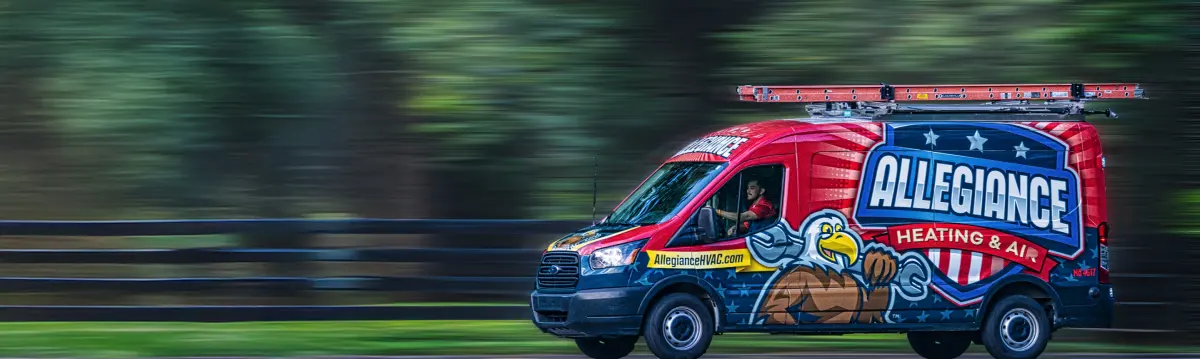
Inefficient Heating Systems Compromise Your Home Comfort During Freezing Winters
Don't let cold winters compromise your comfort at home while temperatures in New Albany drop below freezing. Contact us today to schedule your heating assessment and restore warmth to your home immediately.
When your heating system fails to keep up with the demands of a Southern Indiana winter, the safety and comfort of your household are at immediate risk. Older units often struggle to maintain consistent temperatures, leading to cold spots, drafty rooms, and escalating energy bills that do not reflect the level of warmth you are receiving. Our heating solutions ensure your space remains warm, no matter how harsh the weather gets. Allegiance Heating & Air, LLC. specializes in high-efficiency replacements that resolve these issues permanently:
- Experience rapid installation with same-day service options available for emergencies.
- Enjoy peace of mind with comprehensive warranties on all heating systems and labor.
- Save on costs with energy-efficient systems that reduce monthly utility bills.
- Licensed and insured, we handle all permits and offer flexible financing options.
What You Can Expect From a Modern Heating Installation
Investing in a new heating system is about more than just swapping out a metal box in your basement or utility closet. It is a comprehensive upgrade to your home’s thermal envelope and energy management. When you choose to move forward with a replacement today, you are securing a system designed to handle the specific load requirements of your property.
A professional installation includes a full assessment of your current infrastructure. This means inspecting the ductwork for leaks that bleed energy, checking the ventilation capability of your current setup, and ensuring gas or electrical connections meet current safety codes. You receive a fully calibrated system, matched with a thermostat that optimizes the unit’s performance. The scope of work covers the removal and environmentally responsible disposal of your old unit, the delivery and placement of the new equipment, and all necessary transition fittings to connect to your existing plenum.
New systems also provide immediate tangible benefits regarding air quality and noise levels. Modern furnaces and heat pumps operate with variable-speed blowers and insulated cabinets, significantly reducing the operational noise compared to units manufactured a decade ago. Furthermore, higher efficiency ratings mean the fuel you pay for is actually converted into heat for your living space, rather than being lost up the flue.

The Technical Process of Heating Replacement
A successful heating installation relies heavily on procedure and technical accuracy. We do not guess when it comes to the specifications of your home. The process follows a strict protocol to ensure the longevity of the equipment and the safety of the occupants:
- Load Calculation and Sizing: The process begins with a Manual J load calculation. This engineering standard calculates the exact amount of heat required to maintain a comfortable temperature in your specific home layout. Factors such as square footage, insulation levels, window quality, and orientation are analyzed. Installing a unit that is too large will cause "short cycling," where the unit turns on and off rapidly, wearing out components. A unit that is too small will run continuously without ever reaching the set temperature.
- Site Preparation and Safety Checks: Technicians prepare the installation area to prevent damage to your flooring and property. Gas lines and electrical circuits are shut off and tested for safety. If the existing flue pipe or chimney liner is compromised or incompatible with the new high-efficiency unit, this is identified for correction.
- System Removal and Installation: The old equipment is disconnected and removed. The new furnace or heat pump is positioned and leveled. Proper leveling is critical for drainage, especially in high-efficiency condensing furnaces that produce moisture during operation. The system is connected to the supply and return plenums, ensuring an airtight seal to prevent pressure loss.
- Calibration and Commissioning: Once physically installed, the system is not simply turned on. It is commissioned. Gas pressure is adjusted to the manufacturer's exact specifications. Airflow static pressure is measured to ensure the blower motor is not straining. The thermostat is programmed to communicate effectively with the control board.
- Final Inspection and Walkthrough: The installation concludes with a rigorous testing cycle. The system runs through heating stages to verify performance. You are then walked through the operation of the new system, filter maintenance requirements, and how to utilize programmable features for maximum efficiency.
Deciding Between Repair and Replacement
Determining whether to repair an aging unit or invest in a replacement is a financial and logical decision based on data. While a quick repair might seem cheaper in the short term, it often leads to higher cumulative costs over time. You must weigh the age of the system against the cost of the repair and the efficiency gains of a new unit:
- The 50% Rule: A general guideline used in the industry is the 50% rule. If the cost of the repair approaches 50% of the value of the system—or the cost of a new system—replacement is the wiser financial move. Investing significant capital into a depreciating asset that is likely to fail again soon is rarely cost-effective.
- Equipment Age and Life Expectancy: Most furnaces have a lifespan of 15 to 20 years, while heat pumps typically last 10 to 15 years. If your system in New Albany is approaching or exceeding these milestones, components like the heat exchanger or compressor are at higher risk of catastrophic failure. A repair on a 15-year-old furnace is a temporary patch, not a solution.
- Rising Energy Bills: If your heating costs have increased significantly despite usage remaining the same, the system has lost efficiency. Wear and tear cause internal components to work harder to produce the same amount of heat. A new system with a high AFUE (Annual Fuel Utilization Efficiency) rating can lower these bills immediately, helping the new unit pay for itself over time.
- Frequency of Breakdowns: Reliability is a key factor. If you have required multiple repairs in the last two years, the system is demonstrating a pattern of failure. The inconvenience of losing heat during a cold snap, combined with the stress of emergency service calls, often outweighs the cost of a planned replacement.
- Comfort and Air Quality Issues: Old systems often struggle to distribute air evenly, leading to hot rooms and freezing corners. Additionally, if the heat exchanger is cracked—a common issue in old furnaces—it poses a carbon monoxide risk. If your system has safety red flags or cannot maintain uniform comfort, replacement is mandatory for safety.
Understanding Heating Technologies
When selecting a replacement, understanding the technology available helps in making an informed choice that suits your lifestyle:
- Single-Stage vs. Two-Stage vs. Modulating: A single-stage furnace runs at 100% capacity whenever it is on. It blasts hot air, then shuts off, creating temperature swings. Two-stage units can run at a lower capacity (around 60-70%) for milder days and ramp up only when necessary. Modulating furnaces adjust their output in tiny increments (often 1%), keeping the temperature within one degree of your setting constantly. This provides the highest level of comfort and efficiency.
- Heat Pumps and Dual Fuel Systems: For many homeowners, a heat pump is an excellent option. It moves heat rather than creating it, which is highly efficient. However, in extreme cold, heat pumps can lose efficiency. A dual-fuel system pairs an electric heat pump with a gas furnace. The heat pump handles the moderate chill, and the gas furnace takes over when temperatures plummet, giving you the most economical fuel source for every weather condition.
- AFUE Ratings Explained: The AFUE rating measures how much fuel becomes heat. An 80% AFUE furnace wastes 20% of the fuel effectively up the chimney. A 96% or 98% AFUE furnace converts nearly all the fuel into heat. In a climate with real winters, upgrading from an 80% unit to a 98% unit results in substantial long-term savings.
Local Considerations for Heating in Southern Indiana
Operating a heating system in this region requires attention to specific environmental and regulatory factors. The climate here is categorized by significant humidity swings and temperatures that can dip well below freezing:
- Permitting and Codes: Replacing a heating system is a major construction activity that requires adherence to local building codes. Improperly installed gas appliances are a fire and health hazard. We ensure all work complies with local regulations, including proper venting, clearance distances for combustible materials, and electrical grounding. This compliance is vital not only for safety but also for the future resale value of your home, as unpermitted work can complicate real estate transactions.
- Utility Infrastructure: The choice between gas and electric heating often depends on the infrastructure available at your property. While natural gas is common in many neighborhoods, rural or specific residential areas may rely on propane or electric-only setups. We verify your utility capacity to ensure the chosen system runs efficiently without overloading your electrical panel or requiring expensive gas line upgrades.
- Seasonality and Demand: The transition from autumn to winter can be rapid. The first hard freeze often reveals the weak points in aging systems across the area. Waiting until the system fails completely during a sub-zero night can result in frozen pipes and potential water damage. Proactive replacement during the shoulder season ensures you are prepared for the lows of January and February.
- Humidity Control: Winter air is naturally dry, and heating it further reduces humidity levels, which can damage wood flooring and furniture and irritate respiratory systems. Integrating a whole-home humidifier during the installation process is often recommended to maintain a healthy indoor environment.
Why Technical Expertise Matters in Installation
The most expensive equipment will underperform if installed incorrectly. The reliability of your heating system relies heavily on the skill of the installer. Allegiance Heating & Air, LLC. focuses on the technical details that maximize the lifespan of your investment.
We utilize industry-best practices for duct sealing and airflow management. Leaky ducts can result in a loss of up to 30% of your system's efficiency. By addressing the distribution system alongside the generation unit, we ensure that the heat you pay for actually reaches your living areas. We also prioritize the placement of the thermostat. If placed near a drafty window or a heat-generating appliance, the thermostat will read the room temperature incorrectly, causing the system to run erratically.
Furthermore, we focus on the electrical integrity of the installation. Modern HVAC equipment utilizes sophisticated circuit boards and sensors. Ensuring clean, grounded power connections protects these sensitive components from surges and electrical noise, which protects the brain of your heating system.
Schedule Your Heater Installation Now
When you choose a service provider, you are choosing a partner for the next 15 to 20 years of your home’s maintenance. We provide clear documentation of the installation, warranty registration assistance, and maintenance plans that keep the warranty valid. Manufacturers often void warranties if annual maintenance is not performed by a licensed professional; we ensure you stay compliant. Secure your home against the cold with a system designed for reliability and efficiency. Upgrade your heating system today by clicking here to schedule your consultation
MAINTENANCE PLAN
ALLEGIANCE HEATING & AIR, LLC SERVICE CLUB
At Allegiance Heating & Air, LLC, we provideprofessional HVAC maintenance and offer exclusive deals and discounts within our Service Club Membership to those in and around New Albany, IN. Members of Allegiance Heating & Air, LLC Service Club receive the following benefits:
BENEFITS OF THE MAINTENANCE PLAN
One free cleaning on your A/C.
One free cleaning on your furnace.
Priority scheduling.
Free trip fee with service calls.
Reduced after-hours trip fees.
15% discount on parts and labor.
WHAT OUR CLIENTS HAVE TO SAY ABOUT US

We had a complete HVAC system and a hot water heater installed. The guys were professional, well mannered, and completed the work in a timely manner. Would definitely use them again.
I was nervous at first because my AC broke in the middle of 80 degree weather which is strange for April, but Allegiance Heating and Air was incredibly prompt and professional. The technician arrived within an hour, explained the problem clearly, and completed the repair. The technician , Mr. Garrett Moon was a very nice and courteous young man. He found the problem and fixed it within a timely manner. I highly recommend them for any heating or cooling needs. I’ll definitely give them a call again should I ever have another issue, but hopefully not. Knock on wood 😁. Give them a call… you won’t be disappointed!
From the moment I called to schedule a service, the team was quick to respond and arrived right on time. The technician was professional, friendly, and clearly knowledgeable about my heating system. He explained the repair options in plain language and completed the job efficiently. I appreciated the reliable service and the fact that the work was done the same day. I would definitely recommend Allegiance Heating and Air for any residential HVAC needs.
5/5 stars – I was very impressed with the efficient, affordable and timely service from Allegiance Heating and Air. The technician arrived on time, and performed the service quickly, no repairs needed at this time. Communication was clear and the whole experience felt hassle‑free. I would definitely recommend them for any residential HVAC needs.
Knowledgeable, experienced individual.
Explains Allegiance Heating and Air was incredibly reliable, professional and affordable. They arrived right on time, kept the work area clean and finished the furnace repair quickly. The technician explained everything clearly and the price was a great value. If happiness had a location on Google Maps, it would be here.
Gilbert had to go above and beyond because York is no longer making the part for my furnace. But he was able to find a way to construct a housing bracket for my furnace. Ingenuity, determination and integrity is what finally got my furnace fixed. Gilbert is truly a one of a kind technician.
Thank you for always going the extra mile. Gilbert is always respectful and helpful with any concerns.
"Great service, most knowledgeable and capable HVAC business in Kentuckiana!! Pete Flemming and Bryan the owner, are HVAC encyclopedias. They have the highest integrity of any HVAC business I have ever used. Allegiance has put numerous units in for me over the last 17 years. I will continue to use and trust them."
"Fast response from Allegiance when our heat was out on New Year’s day! Service technician was friendly and efficient. He took the time to explain the problem, tell us about the temporary fix and the plan for permanent repair. We were impressed!"
"Love Allegiance! Their technicians, in particular Benjamin, explain everything. Fast and thorough. A/C was out on a Sunday. Called Allegiance and within a few hours Benjamin arrived. Such a comfort as he was the one who last serviced our units. He quickly replaced part and cooling is restored!"
"My heat pump went out and I had to call after hours. The technician (Garrett) was outstanding and thorough. He got my system up and working until Monday and gave me several options of units. Also took the time to explain the issue to my Home warranty company. I highly recommend this company."
"Right on time :) respectful, fast, and polite. Even gave my fur babies some attention."
"Had Garrett out today to fix our AC. Fantastic tech. He showed up exactly when he said he would and kept us informed of what he was checking and what he found. Highly recommend!"
"Lucas with Allegiance showed up on time as promised, was professional and extremely patient and responsive with all my questions. He took care of the issue, and I feel he was trustworthy! He had us back to cool and comfortable on one of the hottest days of the year."
"Lucas did a great job! Very professional and expedient. Explained the process very well and represented Allegiance as a truly professional and reputable company."
"Arrived on time and work diligently to fix issue. These guy are great. Worked quickly to resolve my issues."
"Lucas was great - he spent a lot of time trying to figure out what was going on and explained everything he was doing. I trust Allegiance and wouldn’t want anyone else working on/in my house!!"