


Why Your Heat Pump Matters for Greenville Homes

Best heat pump replacement in Greenville, IN starts with understanding when your system needs attention and who can deliver reliable service. Your heat pump works year-round to keep your home comfortable through Indiana's cold winters and humid summers. When it starts to fail, you need a trusted local contractor who can assess your situation, recommend the right solution, and install a new system that will last.
Key factors when evaluating heat pump replacement services in Greenville:
• Experience and credentials - Licensed, insured contractors with a proven track record
• Professional assessment - Proper load calculations and system sizing for your specific home
• Quality installation - Expert technicians who follow manufacturer specifications
• Clear communication - Upfront explanations of your options and the replacement process
• Customer satisfaction - Positive reviews and testimonials from local homeowners
• Comprehensive service - From initial consultation through final testing and follow-up
If you need professional HVAC services in Greenville, or you're ready to schedule a heat pump consultation, connecting with a qualified contractor is your first step.
Most heat pumps last between 12 and 20 years with proper maintenance. If your system is approaching the 10-year mark and showing signs of struggle, it's time to start evaluating your options. Modern heat pumps offer significantly better energy efficiency, quieter operation, and more reliable performance than units manufactured even a decade ago.
7 Signs Your Heat Pump Needs Replacing
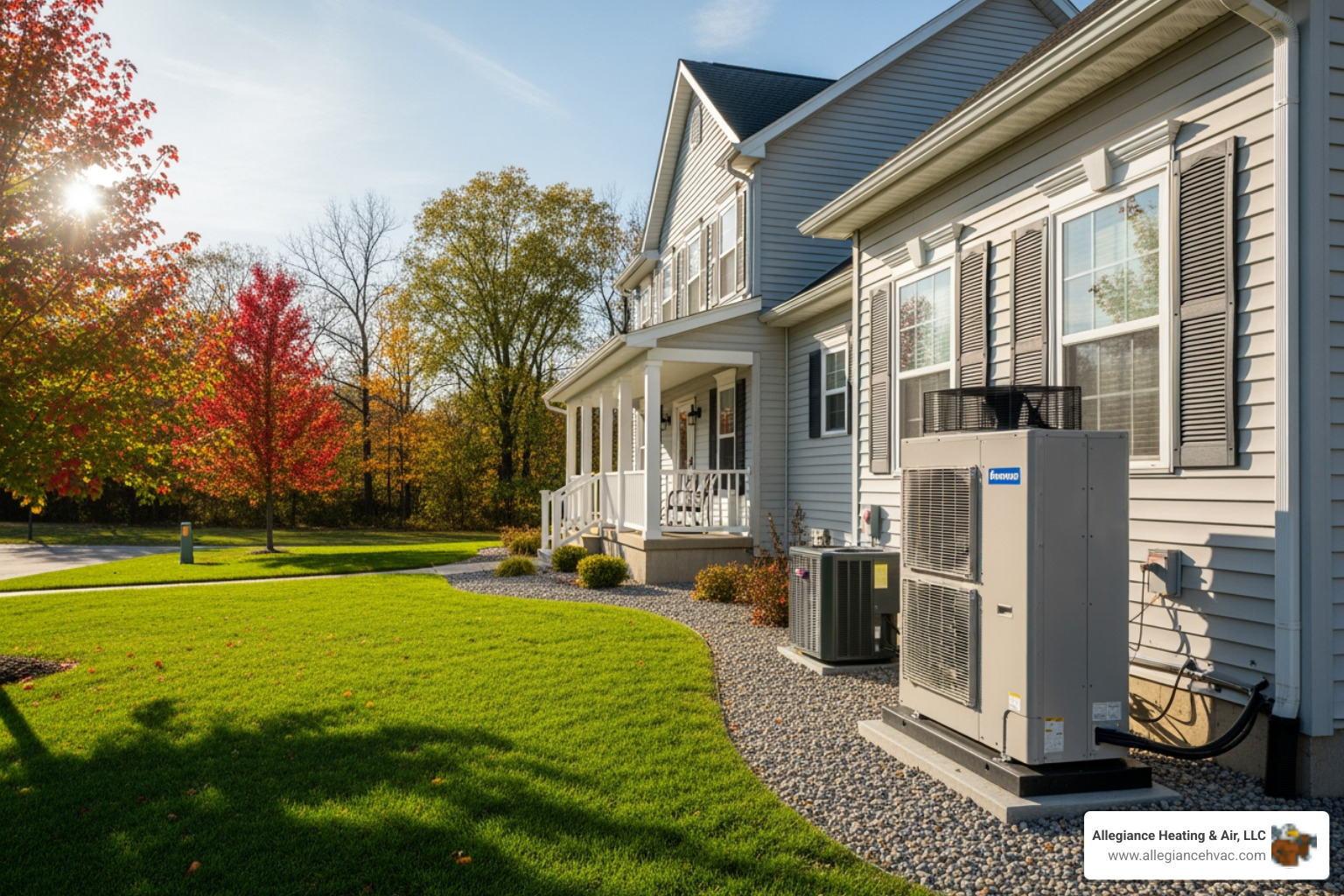
Even the most robust heating and cooling systems eventually reach the end of their useful life. For homeowners in Greenville, IN, recognizing the signs that your heat pump is ready for replacement can save you from unexpected breakdowns and ongoing performance issues. We've compiled the top indicators that it might be time to consider a new system.
System Age (10-15 Years)
One of the most straightforward indicators that your heat pump may need replacement is its age. While a well-installed and well-maintained heat pump can last an average of 12 to 20 years, many systems start to show their age around the 10-year mark. If your heat pump is 15 years old or older, it's generally considered a prime candidate for replacement. As systems age, their components wear down, leading to decreased efficiency and a higher likelihood of needing repairs. Proactively planning for replacement around the 10-year mark allows you to avoid emergency situations and choose a new system at your leisure.
Frequent Repairs
Is your heat pump constantly calling for attention? If you find yourself scheduling repairs one or more times per season, or if you've been dealing with frequent breakdowns over the past few years, it's a clear sign your system is struggling. While minor repairs are part of owning any appliance, continuous issues indicate underlying problems that a patchwork fix simply can't resolve long-term. At some point, the inconvenience of frequent repairs outweighs the benefits of keeping an aging system.
Decreased Energy Efficiency
A sudden and unexplained increase in your energy consumption, especially when your usage habits haven't changed, can be a red flag. Older heat pumps lose their energy efficiency over time, meaning they have to work harder and consume more electricity to achieve the same heating or cooling effect. This lack of efficiency means the system is no longer performing at its best. Upgrading to a new, more energy-efficient model can restore optimal performance.
Strange Noises (Grinding, Squealing)
Your heat pump should operate relatively quietly. If you start hearing loud, unusual noises like grinding, squealing, banging, or persistent rattling coming from your unit, it's a sign that internal components are failing. These sounds can indicate issues with motors, bearings, or other critical parts that are either worn out or on the verge of breaking down. While some noises can be fixed, persistent or severe sounds often point to major mechanical failures that make replacement a more practical choice than another repair.
Inconsistent Temperatures
Do you notice certain rooms in your Greenville home are too hot while others are too cold? Or does your heat pump struggle to maintain a consistent, comfortable temperature throughout the house, especially during extreme weather? This "struggling to achieve temperature" indicates that your system can no longer effectively distribute conditioned air, or its capacity has diminished. An aging heat pump might not be able to keep up with the demands of Indiana's climate, leaving you uncomfortable and frustrated.
Decreased Home Comfort
Beyond inconsistent temperatures, a general decrease in overall home comfort is a strong indicator. This could manifest as excessive humidity indoors even when the AC is running, or simply a feeling that your home never quite reaches the desired level of coziness in winter or coolness in summer. When your heat pump can no longer provide the comfort you expect and deserve, it's time to consider an upgrade that can restore your home's ideal environment.
The 50% Rule
One of the most practical guidelines for deciding between repair and replacement is the "50% rule." Industry experts suggest that if a repair is particularly significant, you are better off replacing it. This is because a major repair on an older unit often means you're pouring resources into a system that will likely face other issues soon. Investing in a new system provides greater effectiveness, efficiency, and fewer risks of future breakdowns.
Why You Shouldn't Ignore These Warning Signs
Ignoring these warning signs can lead to several undesirable outcomes. First and foremost, you risk a complete system failure, often at the most inconvenient times, like the coldest winter night or hottest summer day. This can result in an emergency replacement, which might limit your options and be more disruptive than a planned upgrade. Maintaining your home's comfort is paramount, and a failing heat pump jeopardizes that. Taking a proactive approach allows you to research, plan, and choose the best heat pump replacement in Greenville, IN, that fits your needs and budget, rather than being forced into a hasty decision.
Deciding Between Repair and Replacement
The decision to repair or replace your heat pump is a common dilemma for many homeowners. We understand that it's a significant investment, and we're here to help you weigh your options. When considering repair versus replacement, think about the age of your unit, the frequency of past repairs, and its current performance.
• Long-term reliability: A new system comes with a fresh warranty and the peace of mind that you won't be facing another breakdown anytime soon.
• System efficiency: Modern heat pumps are far more efficient than older models, providing better comfort with less energy consumption.
If your system is constantly breaking down, replacement is often the more reliable and ultimately more comfortable choice.
The Major Benefits of Upgrading to a New Heat Pump
Upgrading to a new heat pump isn't just about getting rid of an old, unreliable system; it's an investment in your home's future comfort, efficiency, and value. For homeowners in Greenville, IN, a new heat pump offers a wealth of advantages that can transform your indoor environment.
Improved Energy Efficiency
This is often the most compelling reason to upgrade. Modern heat pumps are designed with advanced technology that allows them to operate with significantly greater energy efficiency than models from even a decade ago. They use electricity to transfer heat rather than generating it through combustion, which is inherently more efficient. This improved efficiency is especially noticeable for systems with higher Seasonal Energy Efficiency Ratio (SEER) and Heating Seasonal Performance Factor (HSPF) ratings.
Consistent Home Comfort
New heat pumps provide a more consistent and even distribution of heating and cooling throughout your home. They are better equipped to maintain your desired temperature without the hot or cold spots often associated with older, struggling units. This translates to a more comfortable living environment, regardless of the season or the outdoor temperatures in Indiana.
Better Indoor Air Quality
Many newer heat pump systems come equipped with advanced filtration capabilities that can significantly improve your indoor air quality. They can capture more dust, allergens, and pollutants, creating a healthier environment for you and your family. Some models also offer improved humidity control, which is particularly beneficial during Greenville's humid summers, preventing mold growth and enhancing comfort.
Quiet Operation
Older heat pumps can be quite noisy, with loud compressors and fans disturbing your peace. Manufacturers have made significant strides in reducing the operational noise of modern heat pumps. Many newer units are designed to operate quietly, ensuring that your home remains a tranquil sanctuary without the constant hum or clatter of an inefficient system.
Environmental Benefits of Modern Refrigerants
Beyond energy savings, upgrading to a new heat pump also offers environmental advantages. Older systems often used refrigerants like Freon, which have a higher impact on the atmosphere. Modern heat pumps use refrigerants with a lower global warming potential, contributing to a reduced carbon footprint for your home. By choosing a new, energy-efficient heat pump, you are making a more sustainable choice.
Smart Home Integration
Many contemporary heat pumps are designed with smart home integration in mind. This means they can be connected to your home's Wi-Fi network, allowing you to control your heating and cooling settings remotely via a smartphone app or integrate with other smart home devices. This offers unparalleled convenience, allowing you to adjust temperatures before you arrive home or optimize energy usage when you're away.
Choosing Wisely: Key Factors for Your New Heat Pump
Selecting the right new heat pump for your Greenville, IN home involves more than just picking the first model you see. It requires careful consideration of several factors to ensure optimal performance, efficiency, and comfort for years to come.
System Sizing
One of the most critical factors is proper system sizing. An oversized unit will cycle on and off too frequently (short-cycling), leading to uneven temperatures, increased wear and tear, higher humidity, and inefficient operation. Conversely, an undersized unit will struggle to keep up with demand, constantly running and failing to reach desired temperatures, while still consuming excessive energy. Neither scenario delivers the comfort or efficiency you expect.
Load Calculation
To determine the precise size of the heat pump your home needs, a professional load calculation is essential. This detailed assessment takes into account various characteristics of your home, including its square footage, ceiling heights, insulation levels, window types and orientation, local climate data (like Greenville's specific temperature extremes), and even the number of occupants. We perform thorough load calculations to ensure your new system is perfectly matched to your home's unique requirements.
Energy Efficiency Ratings
When comparing heat pumps, pay close attention to their energy efficiency ratings: SEER and HSPF. These ratings provide a standardized way to understand how efficiently a unit converts electricity into heating and cooling.
• SEER rating: Measures cooling efficiency.
• HSPF rating: Measures heating efficiency.
Higher ratings generally indicate better efficiency and greater potential for energy conservation.
Optimal Climate Conditions for Heat Pump Efficiency
It's important to understand how heat pumps perform in different climates. Heat pumps are most effective in regions where winter lows remain above approximately 40°F. Their efficiency starts to drop below that point and falls off sharply near 25°F. For areas like Greenville, IN, where winter temperatures frequently dip below freezing, this is a crucial consideration.
Supplemental Heat for Indiana Winters
Given Greenville's colder winters, it's often wise to consider a heat pump model with a high Heating Seasonal Performance Factor (HSPF) and plan on supplemental heat for deep freezes. This supplemental heat, typically provided by electric resistance coils or a furnace, ensures your home remains warm and comfortable even when outdoor temperatures are at their lowest, keeping energy use in check. Our experts can advise on integrated systems that seamlessly combine heat pump technology with a secondary heat source.
Different Types of Heat Pumps for Greenville Homes
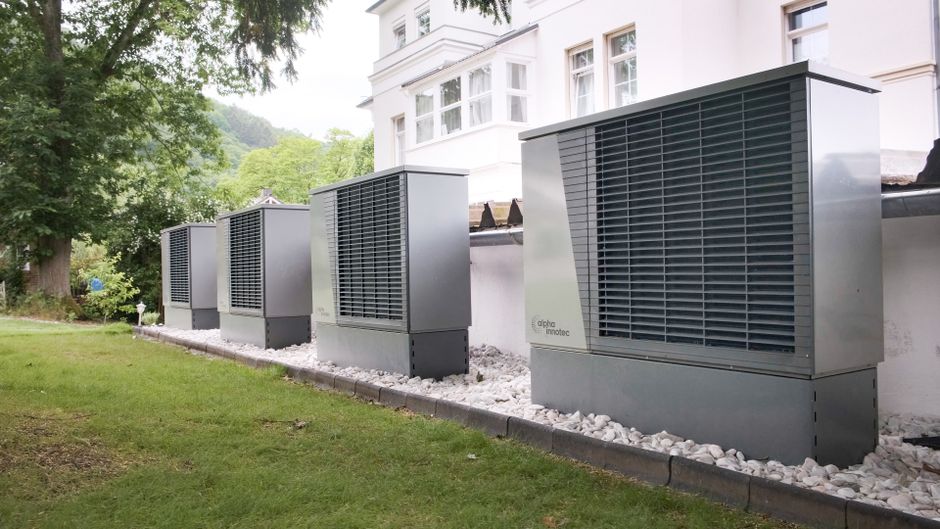
While air-source heat pumps are the most common, other types might be suitable depending on your home's specific needs.
| Heat Pump Type | Description - - - -
Finding the Best Heat Pump Replacement in Greenville, IN: What to Look For in a Contractor
When you're ready for the best heat pump replacement in Greenville, IN, choosing the right HVAC contractor is just as important as choosing the right equipment. A quality installation ensures your new system operates at peak efficiency and lasts for its full lifespan. Here's what we believe you should look for in a reputable HVAC partner.
Local Expertise
A contractor with local expertise understands the specific climate challenges of Greenville, IN. We know the unique demands that Indiana's cold winters and humid summers place on HVAC systems, allowing us to recommend solutions custom to our region. Our deep understanding of local building codes and regulations ensures that your installation is compliant and safe.
Licensed and Insured
Always verify that your chosen contractor is fully licensed and insured. This protects you, the homeowner, from any liability in case of accidents or damage during the installation process. A licensed contractor demonstrates a commitment to industry standards and professionalism.
Positive Customer Reviews
One of the best ways to gauge a contractor's reliability and service quality is through the experiences of other homeowners. Look for positive customer reviews and testimonials. These reflect a company's dedication to customer satisfaction, clear communication, and quality workmanship. As a family-owned business, we pride ourselves on the relationships we build within our community.
Comprehensive Services
A top-rated contractor offers a full spectrum of HVAC services, from initial consultation and installation to ongoing maintenance and repairs. This ensures that you have a trusted partner for the entire lifespan of your new heat pump, not just for the installation day.
Professionalism
From the moment you contact us, expect professionalism. This includes clear, upfront explanations of your options, transparent communication throughout the process, and technicians who are knowledgeable, courteous, and respectful of your home. A professional team ensures the job is done right, efficiently, and with minimal disruption.
Clear Communication
We believe in keeping you informed every step of the way. A reliable contractor will take the time to explain the assessment findings, discuss your heat pump options, outline the installation process, and answer all your questions. There should be no surprises when it comes to your home comfort project.
The Typical Heat Pump Replacement Process
Understanding the steps involved in a heat pump replacement can help you feel more confident about the process. Here’s how we typically approach it:
1. Initial Consultation: We start with a conversation about your current system's issues, your comfort needs, and your energy efficiency goals.
2. Home Assessment: Our technicians will visit your Greenville home to conduct a thorough evaluation. This includes performing a detailed load calculation to determine the exact heating and cooling capacity your home requires. We'll also inspect your existing ductwork, electrical system, and the outdoor unit's location.
3. System Selection: Based on the assessment, we’ll present you with suitable heat pump options, explaining the benefits of each, their efficiency ratings (SEER and HSPF), and any features that might improve your comfort or savings.
4. Professional Installation: Once you've made your choice, our skilled and experienced technicians will carefully remove your old unit and install the new heat pump. This process typically takes one to two days, depending on the complexity, and we ensure minimal disruption to your daily routine.
5. Final Testing: After installation, we rigorously test the new system to ensure it's operating at peak performance and efficiency, properly heating and cooling your home, and that all components are functioning correctly. We'll also walk you through how to operate your new thermostat and answer any final questions.
Key Qualities of a Top-Rated Contractor for the best heat pump replacement in Greenville, IN
When seeking the best heat pump replacement in Greenville, IN, you're looking for more than just a service provider; you're looking for a partner in home comfort.
• Trustworthiness: As a family-owned business since 2005, we prioritize integrity and honest recommendations. We want you to feel confident in your decision.
• Experience: With decades of combined experience, our technicians are highly skilled and knowledgeable in the latest HVAC technologies and installation best practices.
• Customer Satisfaction: Our goal is to ensure every customer is delighted with our service, from the initial call to the final handshake. Your comfort and satisfaction are our top priorities.
• Community Involvement: We are proud to be a part of the Greenville, IN community, and we strive to build lasting relationships based on trust and reliable service.
Frequently Asked Questions About Heat Pump Replacement
We understand you likely have many questions when considering a heat pump replacement. Here are some of the most common inquiries we receive from homeowners in Greenville, IN.
How long does a heat pump typically last?
The average lifespan of a heat pump is generally between 12 and 20 years. However, several factors can influence this. A well-installed and well-maintained unit will typically reach the higher end of this range. Routine filter changes, annual tune-ups, and prompt repairs can significantly extend its life. Conversely, skipped maintenance or poor installation can shorten its lifespan and lead to more frequent issues down the road. The specific climate factors in Indiana, with its seasonal temperature extremes, also play a role; a system that is properly sized and regularly serviced will handle these conditions better and last longer.
How does a new heat pump improve energy efficiency?
Yes, this is one of the most significant benefits of an upgrade. Modern heat pumps are considerably more energy-efficient than older models. They use advanced technology to transfer heat more effectively, consuming less electricity to achieve your desired indoor temperature. By choosing a unit with a high SEER (Seasonal Energy Efficiency Ratio) and HSPF (Heating Seasonal Performance Factor) rating, you ensure your system is designed for optimal performance and energy conservation.
Conclusion: Take Your Home Comfort Under Our Wing
Deciding on the best heat pump replacement in Greenville, IN, is a significant decision for your home's comfort. By understanding the signs that your old system is failing, recognizing the immense benefits of upgrading, and knowing what to look for in a reputable contractor, you can make an informed choice that will serve you well for years to come.
We believe that professional installation is paramount to ensuring your new heat pump operates at peak efficiency and provides reliable comfort throughout its lifespan. As a family-owned business since 2005, Allegiance Heating & Air, LLC is dedicated to providing trusted, professional technicians, ensuring customer satisfaction, and actively participating in our community. We are here to guide you through every step of the process, from initial consultation to expert installation and ongoing support.
Let us help you take your home comfort under our wing. For more information about our HVAC services in Greenville, IN, or to schedule a consultation, contact us today.
Contact Us Or Schedule Expert Service
Other Blogs
ready to transform your home?
Discover our exceptional home services tailored to meet your needs and enhance your living space.
WHAT OUR CLIENTS HAVE TO SAY ABOUT US

We had a complete HVAC system and a hot water heater installed. The guys were professional, well mannered, and completed the work in a timely manner. Would definitely use them again.
I was nervous at first because my AC broke in the middle of 80 degree weather which is strange for April, but Allegiance Heating and Air was incredibly prompt and professional. The technician arrived within an hour, explained the problem clearly, and completed the repair. The technician , Mr. Garrett Moon was a very nice and courteous young man. He found the problem and fixed it within a timely manner. I highly recommend them for any heating or cooling needs. I’ll definitely give them a call again should I ever have another issue, but hopefully not. Knock on wood 😁. Give them a call… you won’t be disappointed!
From the moment I called to schedule a service, the team was quick to respond and arrived right on time. The technician was professional, friendly, and clearly knowledgeable about my heating system. He explained the repair options in plain language and completed the job efficiently. I appreciated the reliable service and the fact that the work was done the same day. I would definitely recommend Allegiance Heating and Air for any residential HVAC needs.
5/5 stars – I was very impressed with the efficient, affordable and timely service from Allegiance Heating and Air. The technician arrived on time, and performed the service quickly, no repairs needed at this time. Communication was clear and the whole experience felt hassle‑free. I would definitely recommend them for any residential HVAC needs.
Knowledgeable, experienced individual.
Explains Allegiance Heating and Air was incredibly reliable, professional and affordable. They arrived right on time, kept the work area clean and finished the furnace repair quickly. The technician explained everything clearly and the price was a great value. If happiness had a location on Google Maps, it would be here.
Gilbert had to go above and beyond because York is no longer making the part for my furnace. But he was able to find a way to construct a housing bracket for my furnace. Ingenuity, determination and integrity is what finally got my furnace fixed. Gilbert is truly a one of a kind technician.
Thank you for always going the extra mile. Gilbert is always respectful and helpful with any concerns.
"Great service, most knowledgeable and capable HVAC business in Kentuckiana!! Pete Flemming and Bryan the owner, are HVAC encyclopedias. They have the highest integrity of any HVAC business I have ever used. Allegiance has put numerous units in for me over the last 17 years. I will continue to use and trust them."
"Fast response from Allegiance when our heat was out on New Year’s day! Service technician was friendly and efficient. He took the time to explain the problem, tell us about the temporary fix and the plan for permanent repair. We were impressed!"
"Love Allegiance! Their technicians, in particular Benjamin, explain everything. Fast and thorough. A/C was out on a Sunday. Called Allegiance and within a few hours Benjamin arrived. Such a comfort as he was the one who last serviced our units. He quickly replaced part and cooling is restored!"
"My heat pump went out and I had to call after hours. The technician (Garrett) was outstanding and thorough. He got my system up and working until Monday and gave me several options of units. Also took the time to explain the issue to my Home warranty company. I highly recommend this company."
"Right on time :) respectful, fast, and polite. Even gave my fur babies some attention."
"Had Garrett out today to fix our AC. Fantastic tech. He showed up exactly when he said he would and kept us informed of what he was checking and what he found. Highly recommend!"
"Lucas with Allegiance showed up on time as promised, was professional and extremely patient and responsive with all my questions. He took care of the issue, and I feel he was trustworthy! He had us back to cool and comfortable on one of the hottest days of the year."
"Lucas did a great job! Very professional and expedient. Explained the process very well and represented Allegiance as a truly professional and reputable company."
"Arrived on time and work diligently to fix issue. These guy are great. Worked quickly to resolve my issues."
"Lucas was great - he spent a lot of time trying to figure out what was going on and explained everything he was doing. I trust Allegiance and wouldn’t want anyone else working on/in my house!!"

RELATED ARTICLES
5 Things You Can Do Today to Prevent HVAC Early Failure
I need to buy a new filter for the furnace. What local HVAC companies in New Albany sell and install them?
