Replacing a HVAC system is a significant investment, and choosing the right equipment involves more than selecting the newest or most expensive model.
If you've been searching for HVAC replacement near you, you may already know there are many options to consider. The right system for your home depends on factors such as its size, layout, existing infrastructure, comfort needs, and energy goals.
A professional HVAC assessment can help you understand your options and avoid choosing a system that is too large, too small, or poorly suited to your home. With the right information and professional installation, a new HVAC system can provide dependable comfort and efficient performance for years to come.
Start With Your Home's Heating and Cooling Needs
Every home has different heating and cooling requirements. A system that works well in one house may not be appropriate for another, even if the homes are similar in size.
When evaluating your needs, an HVAC professional may consider:
- The home's square footage and layout
- Number of floors and rooms
- Insulation levels
- Windows and doors
- Existing ductwork
- Current heating and cooling equipment
- Comfort problems you've experienced
- Your preferred temperature and humidity levels
These factors can help determine what type and size of system will provide consistent comfort.
Understand Your Options
Today's homeowners have several heating and cooling options. Understanding the basic differences can make the selection process easier.
Central HVAC Systems
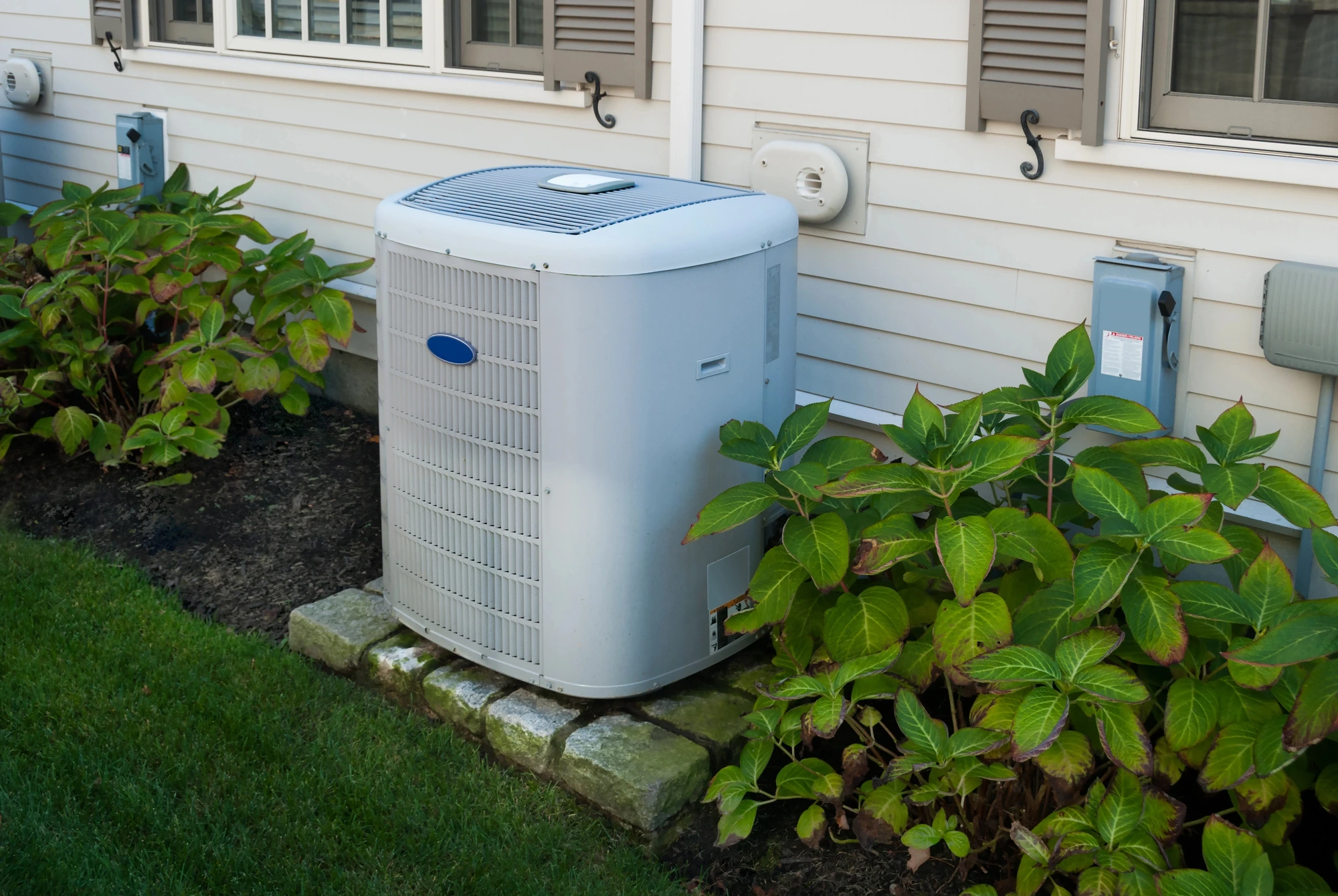
Central HVAC systems use ductwork to distribute conditioned air throughout the home. If your existing ductwork is in good condition, a central system may be a practical choice for replacing an older furnace or air conditioner.
Heat Pumps
Heat pumps can provide both heating and cooling, making them a versatile option for homeowners looking for year-round comfort from one system. Rather than generating heat in the same way as a traditional furnace, a heat pump transfers heat to provide heating or cooling as needed.
Ductless Mini-Split Systems
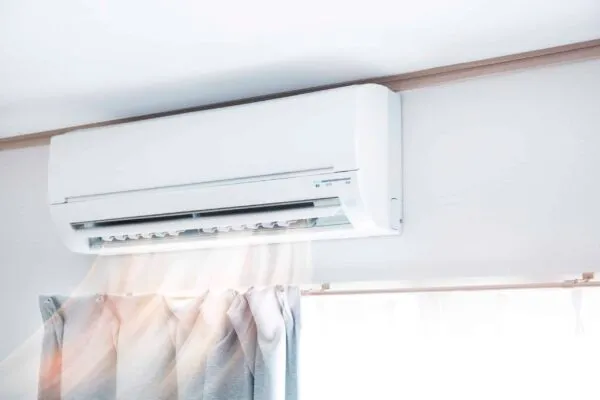
Ductless mini-splits can provide heating and cooling without requiring traditional ductwork. They're particularly useful for certain additions, converted spaces, older homes, or areas where extending existing ductwork isn't practical. They can also provide more targeted temperature control for individual rooms or zones.
Other Heating Options
Depending on your home's existing infrastructure and your preferences, a furnace or boiler may also be appropriate. The best choice depends on factors such as your home's design, existing fuel source, budget, and desired comfort level.
Choose the Right HVAC System Size
When it comes to HVAC equipment, bigger isn't necessarily better. An oversized system may reach the desired temperature quickly but cycle on and off too frequently. This can contribute to inconsistent comfort, unnecessary wear, and inefficient operation.
An undersized system can have the opposite problem. It may need to run for extended periods to keep up with demand, potentially increasing energy consumption, and struggling to maintain your preferred temperature.
That's why professional sizing is so important. An HVAC contractor can evaluate your home and perform the necessary calculations rather than simply replacing an old unit with one of the same size.
Consider Energy Efficiency
Energy efficiency is another important consideration when replacing your HVAC system. A more efficient unit can potentially use less energy while providing the heating or cooling your home needs.
However, the highest efficiency rating isn't automatically the best choice for every homeowner. The equipment should also be properly sized, compatible with the home, and professionally installed.
When comparing systems, consider both the initial investment and potential operating costs over the equipment's expected lifespan. A system with a higher upfront cost may provide greater long-term value if it offers improved efficiency and reliable performance.
Consider Your Comfort Priorities
Your HVAC replacement is an opportunity to address comfort problems you've been dealing with for years.
Think about what you would like your new system to improve. Are some rooms consistently warmer or colder than others? Are your energy bills higher than you'd expect? Does your current system struggle during particularly hot or cold weather?
You may also be concerned about airflow, humidity, frequent repairs, or excessive system noise. Sharing these concerns with your HVAC professional can help them recommend equipment and solutions that are better aligned with your home's needs.
Don't Choose Based on Price Alone
Cost is naturally an important part of any HVAC replacement decision, but the lowest initial price isn't necessarily the best value.
When comparing your options, consider the complete cost of ownership, including:
- Equipment and installation costs
- Energy consumption
- Potential repair costs
- Expected system lifespan
- Warranty coverage
- Long-term comfort
A professionally installed, appropriately sized system may provide greater value over time than a cheaper system that doesn't adequately meet your home's needs.
It's also important to understand what's included in an installation estimate. Asking questions about equipment, labor, warranties, removal of the old system, and any necessary modifications can help you make a more informed comparison.
Why Professional HVAC Installation Matters
Even a high-quality HVAC system may not perform as expected if it isn't installed correctly. Proper installation plays an important role in comfort, efficiency, reliability, and equipment longevity.
A professional installation should account for system sizing, electrical connections, airflow, equipment setup, and safe operation. After installation, the system should also be tested to make sure it is functioning properly.
Professional installation can give homeowners greater confidence that their investment is working as intended.
Frequently Asked Questions
How do I know what size HVAC system my home needs?
HVAC sizing should be based on more than square footage. Factors such as insulation, windows, layout, climate, and existing ductwork can all affect your home's heating and cooling requirements. A professional assessment can determine the appropriate system size.
Is a more energy-efficient HVAC system always better?
Not necessarily. Efficiency is important, but the system also needs to be properly sized and suited to your home's needs. Professional installation is equally important for achieving the performance you expect.
How long does an HVAC system typically last?
Lifespan varies depending on the type of equipment, installation quality, maintenance, usage, and other factors. Regular professional maintenance can help identify developing problems and support reliable operation.
How often should a new HVAC system be maintained?
Following the manufacturer's maintenance recommendations and scheduling professional service can help keep your equipment operating efficiently. Regular maintenance may also help identify smaller issues before they become more significant problems.

Choose an HVAC Replacement Near You with Confidence
Choosing a new HVAC system doesn't have to be overwhelming. The key is to look beyond the equipment itself and consider your home's size, infrastructure, comfort needs, energy goals, and long-term budget.
If you're considering HVAC replacement or need help determining the best heating solution for your home, our team at Allegiance Heating & Air can help you explore your options. From heating repairs and maintenance to HVAC installation and replacement, our team can help you find a solution designed around your home's comfort needs.
Contact us today to discuss your heating needs and take the next step toward reliable, year-round home comfort.
Contact Us Or Schedule Expert Service
Other Blogs
ready to transform your home?
Discover our exceptional home services tailored to meet your needs and enhance your living space.
WHAT OUR CLIENTS HAVE TO SAY ABOUT US

We had a complete HVAC system and a hot water heater installed. The guys were professional, well mannered, and completed the work in a timely manner. Would definitely use them again.
I was nervous at first because my AC broke in the middle of 80 degree weather which is strange for April, but Allegiance Heating and Air was incredibly prompt and professional. The technician arrived within an hour, explained the problem clearly, and completed the repair. The technician , Mr. Garrett Moon was a very nice and courteous young man. He found the problem and fixed it within a timely manner. I highly recommend them for any heating or cooling needs. I’ll definitely give them a call again should I ever have another issue, but hopefully not. Knock on wood 😁. Give them a call… you won’t be disappointed!
From the moment I called to schedule a service, the team was quick to respond and arrived right on time. The technician was professional, friendly, and clearly knowledgeable about my heating system. He explained the repair options in plain language and completed the job efficiently. I appreciated the reliable service and the fact that the work was done the same day. I would definitely recommend Allegiance Heating and Air for any residential HVAC needs.
5/5 stars – I was very impressed with the efficient, affordable and timely service from Allegiance Heating and Air. The technician arrived on time, and performed the service quickly, no repairs needed at this time. Communication was clear and the whole experience felt hassle‑free. I would definitely recommend them for any residential HVAC needs.
Knowledgeable, experienced individual.
Explains Allegiance Heating and Air was incredibly reliable, professional and affordable. They arrived right on time, kept the work area clean and finished the furnace repair quickly. The technician explained everything clearly and the price was a great value. If happiness had a location on Google Maps, it would be here.
Gilbert had to go above and beyond because York is no longer making the part for my furnace. But he was able to find a way to construct a housing bracket for my furnace. Ingenuity, determination and integrity is what finally got my furnace fixed. Gilbert is truly a one of a kind technician.
Thank you for always going the extra mile. Gilbert is always respectful and helpful with any concerns.
"Great service, most knowledgeable and capable HVAC business in Kentuckiana!! Pete Flemming and Bryan the owner, are HVAC encyclopedias. They have the highest integrity of any HVAC business I have ever used. Allegiance has put numerous units in for me over the last 17 years. I will continue to use and trust them."
"Fast response from Allegiance when our heat was out on New Year’s day! Service technician was friendly and efficient. He took the time to explain the problem, tell us about the temporary fix and the plan for permanent repair. We were impressed!"
"Love Allegiance! Their technicians, in particular Benjamin, explain everything. Fast and thorough. A/C was out on a Sunday. Called Allegiance and within a few hours Benjamin arrived. Such a comfort as he was the one who last serviced our units. He quickly replaced part and cooling is restored!"
"My heat pump went out and I had to call after hours. The technician (Garrett) was outstanding and thorough. He got my system up and working until Monday and gave me several options of units. Also took the time to explain the issue to my Home warranty company. I highly recommend this company."
"Right on time :) respectful, fast, and polite. Even gave my fur babies some attention."
"Had Garrett out today to fix our AC. Fantastic tech. He showed up exactly when he said he would and kept us informed of what he was checking and what he found. Highly recommend!"
"Lucas with Allegiance showed up on time as promised, was professional and extremely patient and responsive with all my questions. He took care of the issue, and I feel he was trustworthy! He had us back to cool and comfortable on one of the hottest days of the year."
"Lucas did a great job! Very professional and expedient. Explained the process very well and represented Allegiance as a truly professional and reputable company."
"Arrived on time and work diligently to fix issue. These guy are great. Worked quickly to resolve my issues."
"Lucas was great - he spent a lot of time trying to figure out what was going on and explained everything he was doing. I trust Allegiance and wouldn’t want anyone else working on/in my house!!"

RELATED ARTICLES
Energy Efficiency Standards For Your HVAC: Why Is This Important?
New Albany Homeowners: Your Guide to Residential Heat Pump Installation