The first real cold snap of the season has a way of arriving overnight. One evening it's mild, and the next morning frost is on the windshield, and the furnace kicks on for the first time in months, sometimes with a groan, a rattle, or worse, silence.
For homeowners who skipped fall service, that moment often marks the start of an unexpected repair bill instead of a cozy winter.
Searching for heating maintenance near me before the temperature drops is one of the simplest ways to avoid that scenario. A short seasonal check-up now can protect your heating system from a mid-winter breakdown and keep it running the way it's supposed to all season long.

Why Fall Is the Best Time for Heating Maintenance
Heating systems spend most of the warmer months sitting idle, and that downtime isn't as harmless as it seems. Dust settles into components, small mechanical issues go unnoticed, and parts that haven't run in months can struggle when they're suddenly asked to work at full capacity.
Scheduling service in early fall, before the system faces real winter demand, gives a technician the chance to catch minor problems while they're still minor. That's a very different outcome from discovering them after a breakdown on the coldest night of the year.
There's also a scheduling advantage to booking early. Once temperatures drop, HVAC companies tend to see a surge in calls from homeowners dealing with no-heat emergencies, and appointment slots fill up fast.
Homeowners who schedule maintenance in September or October typically have their pick of convenient times, rather than waiting in line behind emergency repairs once the cold weather actually arrives.
What Happens If You Skip It
Neglecting seasonal maintenance rarely causes an immediate problem. Instead, it tends to create a slow buildup of risk:
- Higher risk of a mid-winter breakdown
- Reduced efficiency, which quietly drives up monthly utility bills
- Voided manufacturer warranties, since many require documented annual services
- A shorter equipment lifespan, meaning earlier replacement costs
The impact on efficiency alone is worth taking seriously. Just as a car tune-up can improve gas mileage, a yearly tune-up of a heating system can noticeably improve both efficiency and comfort.
On the maintenance side, the Department of Energy also notes that regular upkeep is necessary to keep a furnace running at peak performance. Skipping that yearly check doesn't just risk a breakdown; it means paying more to heat a home less effectively all season.
What a Professional Heating Tune-Up Actually Covers
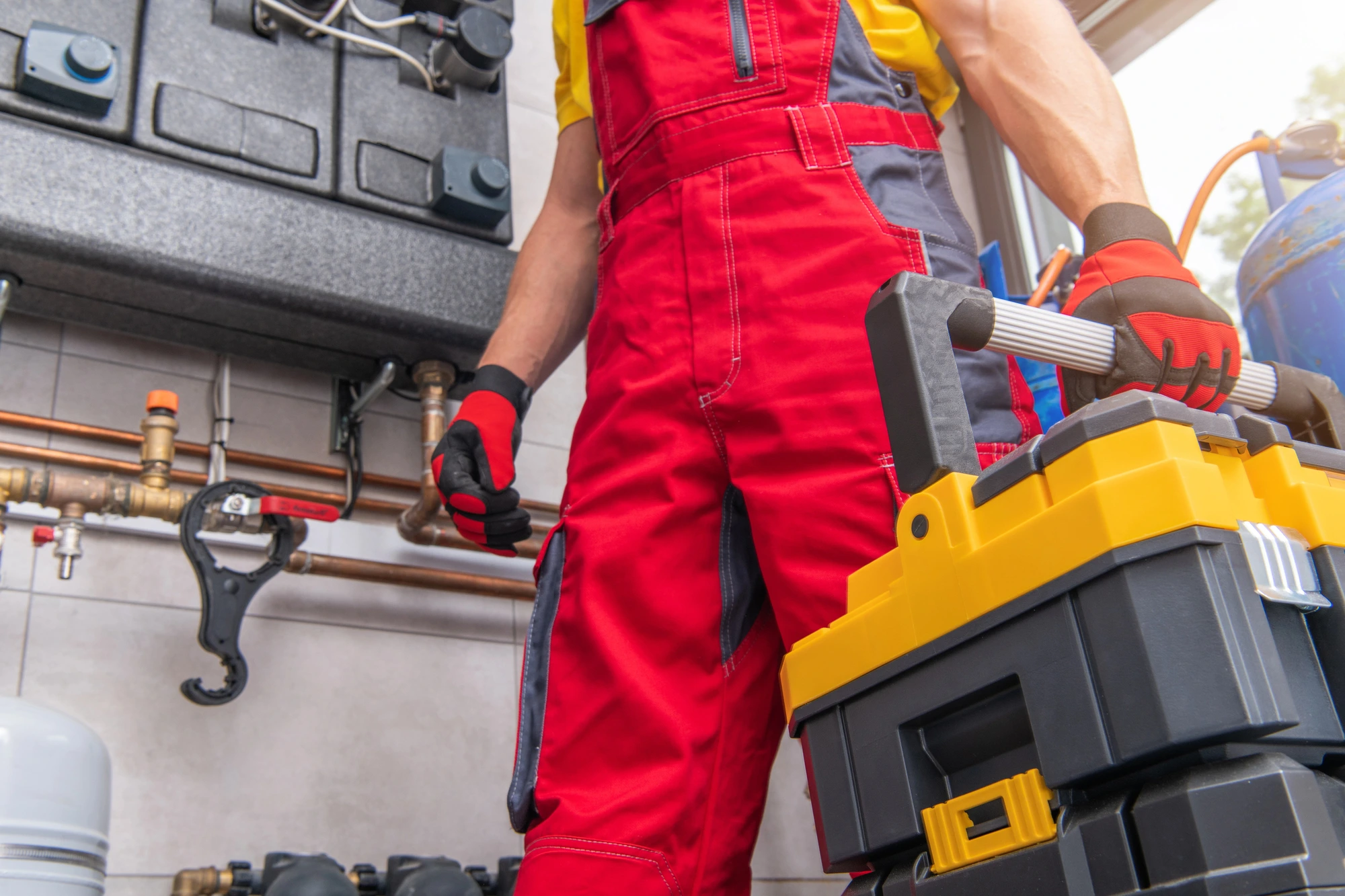
A real heating maintenance visit is more thorough than most homeowners expect. It isn't just a filter swap; it's a structured inspection designed to catch safety issues and performance problems before they escalate.
Safety & Combustion Checks
This part of the visit focuses on how the system burns fuel and vents exhaust safely. A technician typically cleans the ignition assembly, runs a combustion analysis, monitors flue draft, and tests the safety controls to confirm everything shuts off properly when it should.
Performance Checks
The second half of the visit is about how well the system actually heats the home. That includes measuring airflow, calibrating the thermostat, and checking electrical components to confirm nothing is drawing more power than it should.
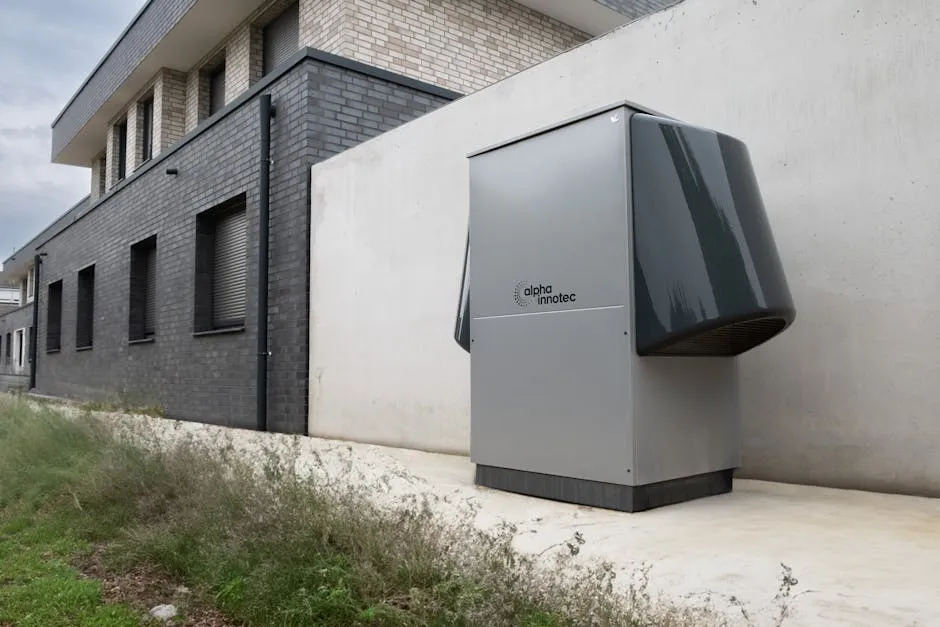
Many providers also fold this kind of care into a broader heat pump maintenance plan for homes running dual-purpose systems. If a technician finds something more serious during the visit, it's far better to learn about it in October than in January, when heating repair becomes urgent instead of routine.
Signs You Shouldn't Wait On
Even outside a scheduled tune-up, certain symptoms are worth acting on right away:
- Strange noises, such as banging, screeching, or rattling
- Uneven heating between rooms
- A noticeable rise in energy bills
- Short-cycling, or turning on and off frequently
- Weak or inconsistent airflow
If any of these sound familiar, it's worth having a technician take a closer look before winter fully sets in. In some cases, an aging system with recurring issues may be a better candidate for heating system replacement than another round of patch repairs, and a professional visit is the best way to know which situation applies.
Catching these symptoms early is also far less expensive than waiting until the system fails outright, since a technician can often resolve a developing issue in a single visit rather than requiring an emergency call.
Frequently Asked Questions
How often should I schedule heating maintenance?
Most manufacturers and HVAC professionals recommend a tune-up once a year, ideally in early fall, before the system is running regularly. Homes with older equipment or heavier use may benefit from more frequent seasonal HVAC check-ups.
What's included in a professional heating tune-up?
A thorough visit covers both safety and performance, including cleaning the ignition assembly, testing safety controls, checking combustion and flue draft, measuring airflow, and calibrating the thermostat.
Can skipping maintenance really void my warranty?
Yes. Many manufacturers require proof of annual professional service to keep a warranty valid. Without that documentation, homeowners can end up covering repair costs that would otherwise have been included, since claims are often denied without a paper trail showing the system was properly maintained.
Keeping service records on hand each year is a simple way to avoid that situation entirely.
Is heating maintenance worth it if my system seems fine?
Often, the issues found during a tune-up aren't things a homeowner would notice on their own, like a cracked heat exchanger or a thermostat that's drifted out of calibration.
A system that seems fine can still be running inefficiently or quietly heading toward a bigger problem, which is why routine seasonal heating service matters even when nothing feels obviously wrong.
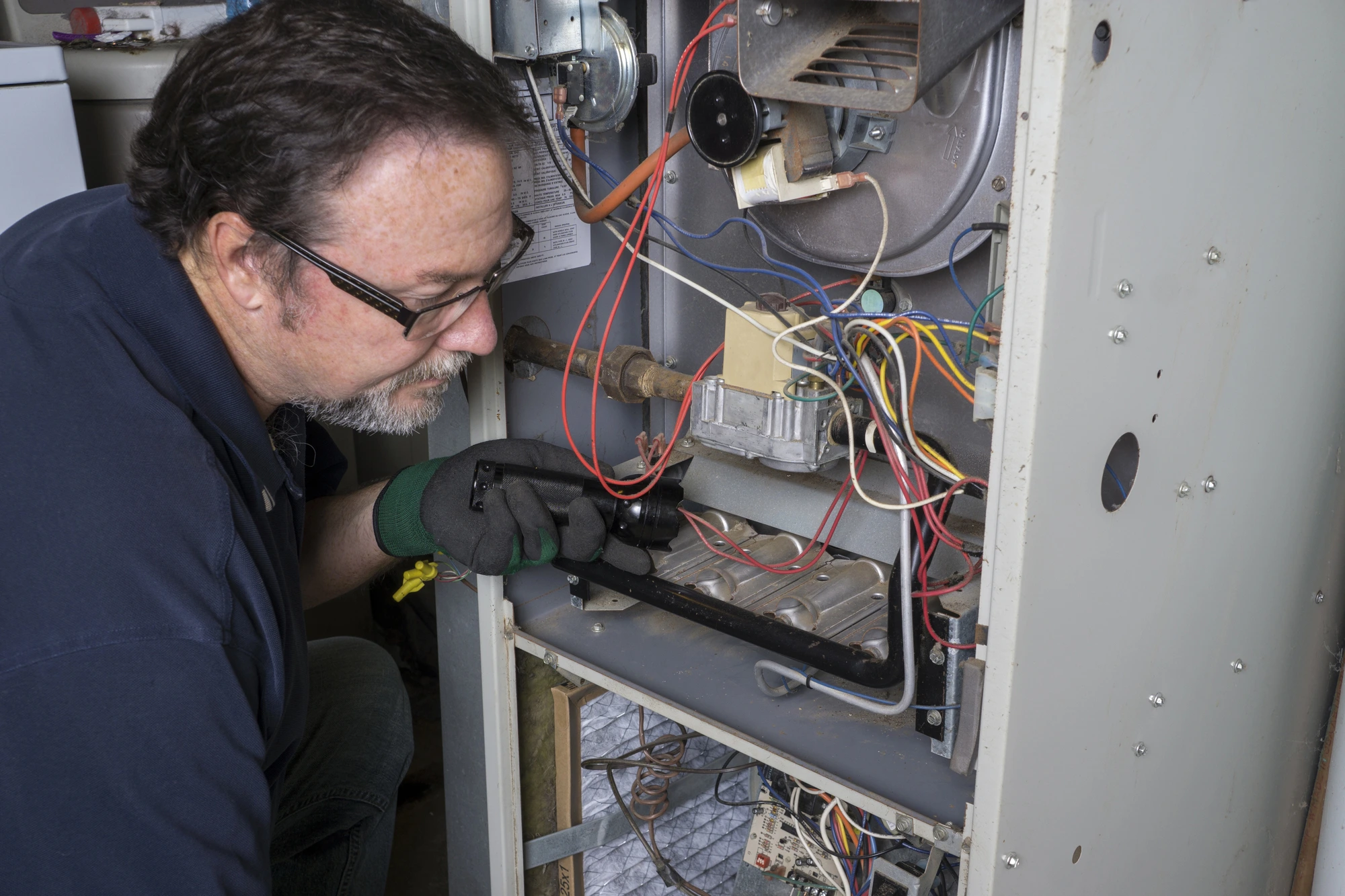
Don't Wait for the Freeze: Book Heating Maintenance Near Me Today
At Allegiance Heating & Air, fall is when the phones start ringing with heating questions, and the homeowners who call early are almost always glad they did. A seasonal tune-up is a small investment compared to an emergency repair bill in the middle of a cold snap, and it's one of the easiest ways to protect both comfort and warranty coverage.
If it's been a year or longer since the last service, now is the time to schedule a heating maintenance visit before the season's first hard freeze.
Contact Us Or Schedule Expert Service
Other Blogs
ready to transform your home?
Discover our exceptional home services tailored to meet your needs and enhance your living space.
WHAT OUR CLIENTS HAVE TO SAY ABOUT US

We had a complete HVAC system and a hot water heater installed. The guys were professional, well mannered, and completed the work in a timely manner. Would definitely use them again.
I was nervous at first because my AC broke in the middle of 80 degree weather which is strange for April, but Allegiance Heating and Air was incredibly prompt and professional. The technician arrived within an hour, explained the problem clearly, and completed the repair. The technician , Mr. Garrett Moon was a very nice and courteous young man. He found the problem and fixed it within a timely manner. I highly recommend them for any heating or cooling needs. I’ll definitely give them a call again should I ever have another issue, but hopefully not. Knock on wood 😁. Give them a call… you won’t be disappointed!
From the moment I called to schedule a service, the team was quick to respond and arrived right on time. The technician was professional, friendly, and clearly knowledgeable about my heating system. He explained the repair options in plain language and completed the job efficiently. I appreciated the reliable service and the fact that the work was done the same day. I would definitely recommend Allegiance Heating and Air for any residential HVAC needs.
5/5 stars – I was very impressed with the efficient, affordable and timely service from Allegiance Heating and Air. The technician arrived on time, and performed the service quickly, no repairs needed at this time. Communication was clear and the whole experience felt hassle‑free. I would definitely recommend them for any residential HVAC needs.
Knowledgeable, experienced individual.
Explains Allegiance Heating and Air was incredibly reliable, professional and affordable. They arrived right on time, kept the work area clean and finished the furnace repair quickly. The technician explained everything clearly and the price was a great value. If happiness had a location on Google Maps, it would be here.
Gilbert had to go above and beyond because York is no longer making the part for my furnace. But he was able to find a way to construct a housing bracket for my furnace. Ingenuity, determination and integrity is what finally got my furnace fixed. Gilbert is truly a one of a kind technician.
Thank you for always going the extra mile. Gilbert is always respectful and helpful with any concerns.
"Great service, most knowledgeable and capable HVAC business in Kentuckiana!! Pete Flemming and Bryan the owner, are HVAC encyclopedias. They have the highest integrity of any HVAC business I have ever used. Allegiance has put numerous units in for me over the last 17 years. I will continue to use and trust them."
"Fast response from Allegiance when our heat was out on New Year’s day! Service technician was friendly and efficient. He took the time to explain the problem, tell us about the temporary fix and the plan for permanent repair. We were impressed!"
"Love Allegiance! Their technicians, in particular Benjamin, explain everything. Fast and thorough. A/C was out on a Sunday. Called Allegiance and within a few hours Benjamin arrived. Such a comfort as he was the one who last serviced our units. He quickly replaced part and cooling is restored!"
"My heat pump went out and I had to call after hours. The technician (Garrett) was outstanding and thorough. He got my system up and working until Monday and gave me several options of units. Also took the time to explain the issue to my Home warranty company. I highly recommend this company."
"Right on time :) respectful, fast, and polite. Even gave my fur babies some attention."
"Had Garrett out today to fix our AC. Fantastic tech. He showed up exactly when he said he would and kept us informed of what he was checking and what he found. Highly recommend!"
"Lucas with Allegiance showed up on time as promised, was professional and extremely patient and responsive with all my questions. He took care of the issue, and I feel he was trustworthy! He had us back to cool and comfortable on one of the hottest days of the year."
"Lucas did a great job! Very professional and expedient. Explained the process very well and represented Allegiance as a truly professional and reputable company."
"Arrived on time and work diligently to fix issue. These guy are great. Worked quickly to resolve my issues."
"Lucas was great - he spent a lot of time trying to figure out what was going on and explained everything he was doing. I trust Allegiance and wouldn’t want anyone else working on/in my house!!"

RELATED ARTICLES
Recognizing and Fixing Furnace Malfunctions Early

How To Extend Your HVAC Lifespan