Most air conditioning breakdowns don't happen overnight. They build slowly, one overlooked symptom at a time, until a minor inconvenience becomes a major repair bill.
A slightly weaker airflow here, a faint hum there; none of it seems urgent enough to search for AC maintenance near me, so it gets pushed to next month, and then the month after that. By the time the system finally stops working altogether, what could have been a simple fix has turned into an expensive one.
The good news is that nearly every costly AC failure starts as a small, catchable issue. Scheduling a routine AC maintenance visit is often all it takes to catch these problems while they're still cheap to fix. Below are seven common issues homeowners tend to overlook, along with what they can cost you if they're left alone.
7 AC Problems That Quietly Turn into Big Repairs
Each of these issues is easy to miss day to day, but they all share the same pattern: the longer they go unnoticed, the more they cost to fix.
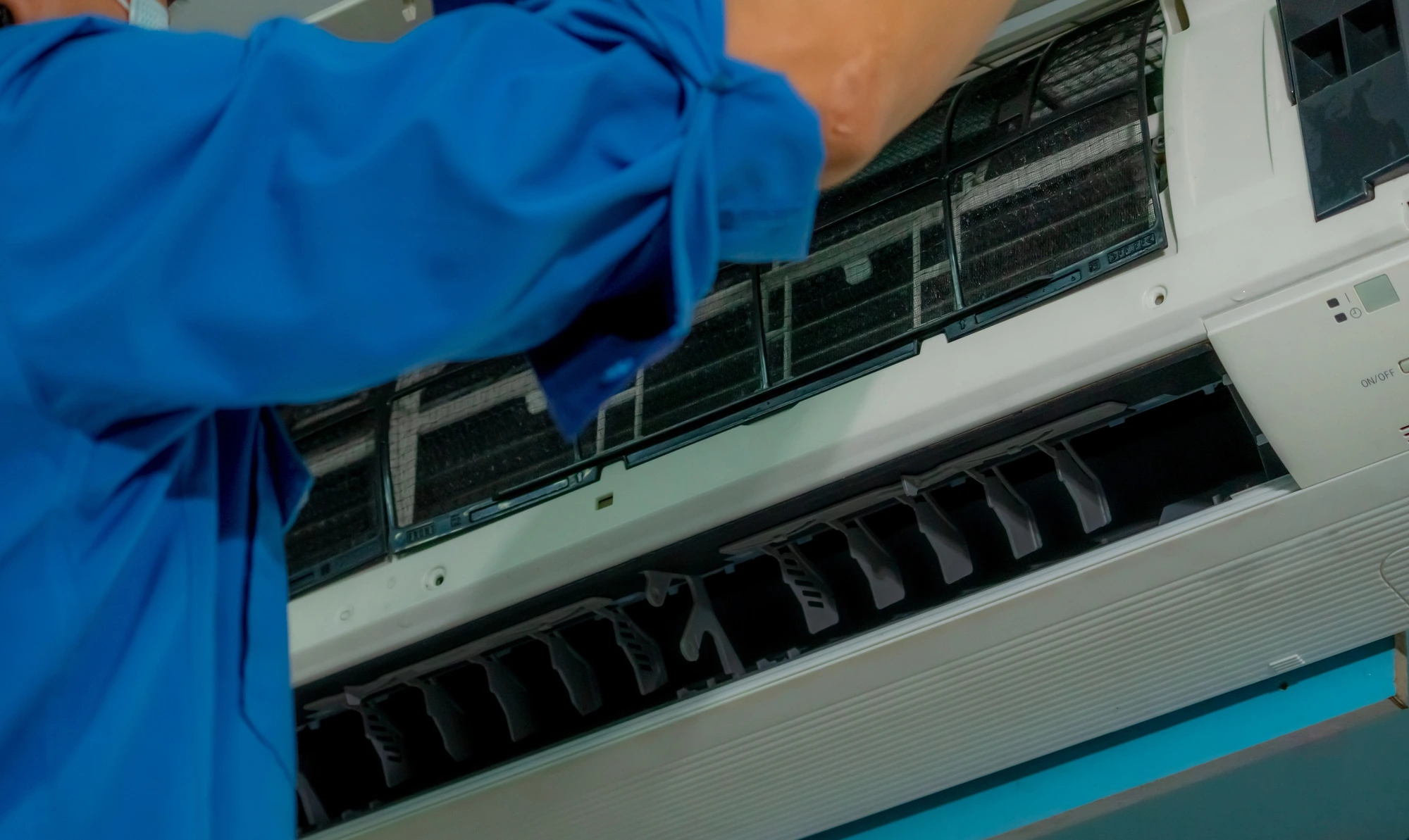
1. Dirty or Clogged Air Filters
A clogged filter restricts airflow, forcing your system to work harder to reach the same temperature. Over time, that extra strain shortens the life of your compressor, one of the most expensive components to replace.
2. Low Refrigerant Levels
Refrigerant doesn't get "used up" under normal operation. If your levels are low, it almost always means there's a leak somewhere in the system. Running a system low on refrigerant for an extended period can permanently damage the compressor, which is often the single most expensive part to replace in an AC unit.
3. Worn Contactors and Capacitors
These small electrical components help your system start and run smoothly. As they wear down, you might notice occasional delays before the unit kicks on.
If left unaddressed, a failed capacitor can prevent the system from starting at all, and in some cases, put additional strain on the compressor and motor. Our team frequently catches these during AC repair visits before they cause a full system shutdown.
4. Dirty Condenser Coils
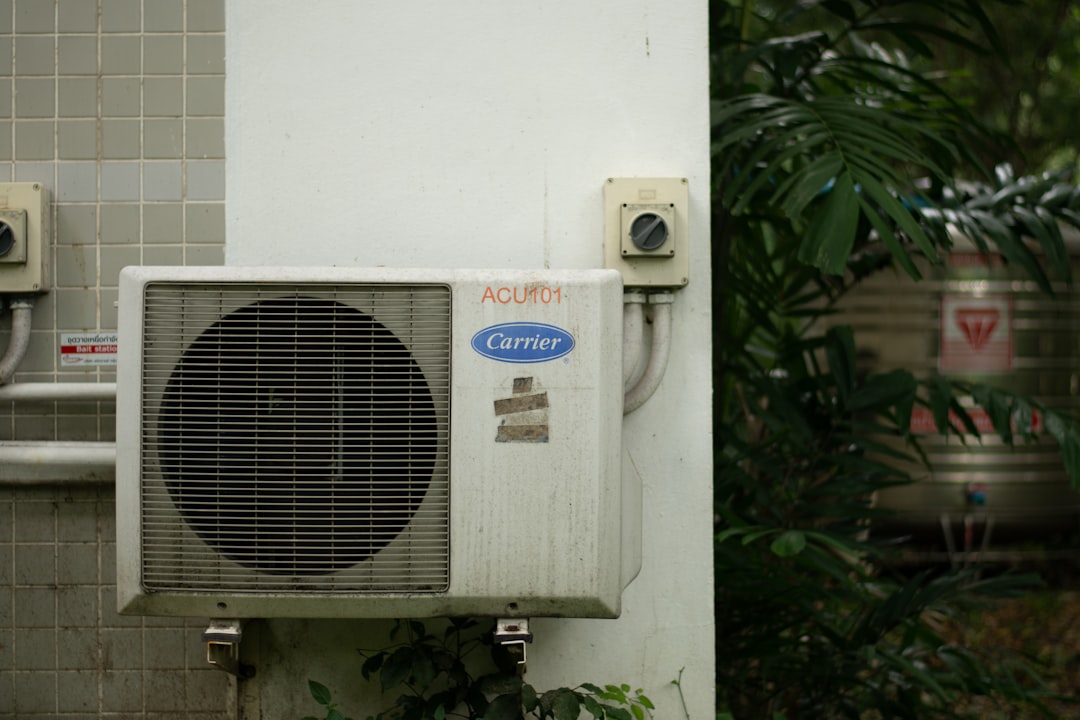
Your condenser coil is responsible for releasing heat from your home to the outside air. When it's coated in dirt, dust, or debris, it can't transfer heat efficiently, which forces the entire system to run longer to reach the same result. Dirty coils reduce a system's ability to cool your home and increase energy costs the longer they're left unaddressed.
5. Clogged Condensate Drain Lines
As your AC removes humidity from the air, that moisture needs somewhere to go. A clogged drain line can cause water to back up into your home, leading to water damage, mold growth, or an automatic shutoff meant to protect the system. Regular attention to this line is a small part of a maintenance plan, but it prevents a genuinely messy and costly problem.
6. Failing Fan Motors
A struggling fan motor often shows up first as a faint rattling noise or slightly weaker airflow, which are easy signs to write off as nothing. However, a fan motor on its way out puts additional load on the rest of the system, and a full failure can leave you without cooling on the hottest day of the year.
7. Leaky or Disconnected Ductwork
Ductwork problems are especially easy to miss because they're hidden inside walls, attics, or crawl spaces.
A leak or disconnected section means conditioned air is escaping before it ever reaches your living space, quietly inflating your energy bills every single month. If you're planning a system upgrade, it's worth having your ductwork inspected as part of any new AC installation.
A few quick signs that one of these issues might already be developing in your home:
- Rooms that used to cool evenly now feel warmer than others
- Your energy bill has crept up without a clear reason
- The system runs longer than it used to before reaching the set temperature
- You've noticed a new noise, odor, or occasional delay when the AC starts up

Why Routine AC Maintenance Matters
Every problem on this list shares something in common: a trained technician can usually spot it during a routine visit, long before it becomes a breakdown. That's the real value of AC maintenance: it's an early warning system for your home comfort budget.
Instead of waiting for a hot afternoon system failure, a seasonal tune-up through an AC service and maintenance program gives a technician the chance to catch small issues while they're still inexpensive to resolve.
Frequently Asked Questions
How often should I schedule AC maintenance?
Most manufacturers and HVAC professionals recommend a maintenance visit once a year, ideally in the spring before cooling season begins. This gives a technician time to catch and resolve small issues before your system is working its hardest.
What are some signs my AC needs immediate repair?
Watch for strange noises, weak or uneven airflow, warm air coming from the vents, unusual odors, or water pooling near the indoor unit. Any of these warrants a call sooner rather than later.
Can regular maintenance really prevent costly repairs?
In most cases, yes. Routine maintenance, such as filter changes and coil cleaning, can meaningfully improve system efficiency and help prevent the kind of gradual wear that leads to major repairs.
Is it worth repairing an older AC unit?
It depends on the age of the system and the cost of the repair. As a general rule, if your unit is more than 10-12 years old and facing a major repair, it's worth comparing that cost against a new installation, since older systems tend to need more frequent service as they age.
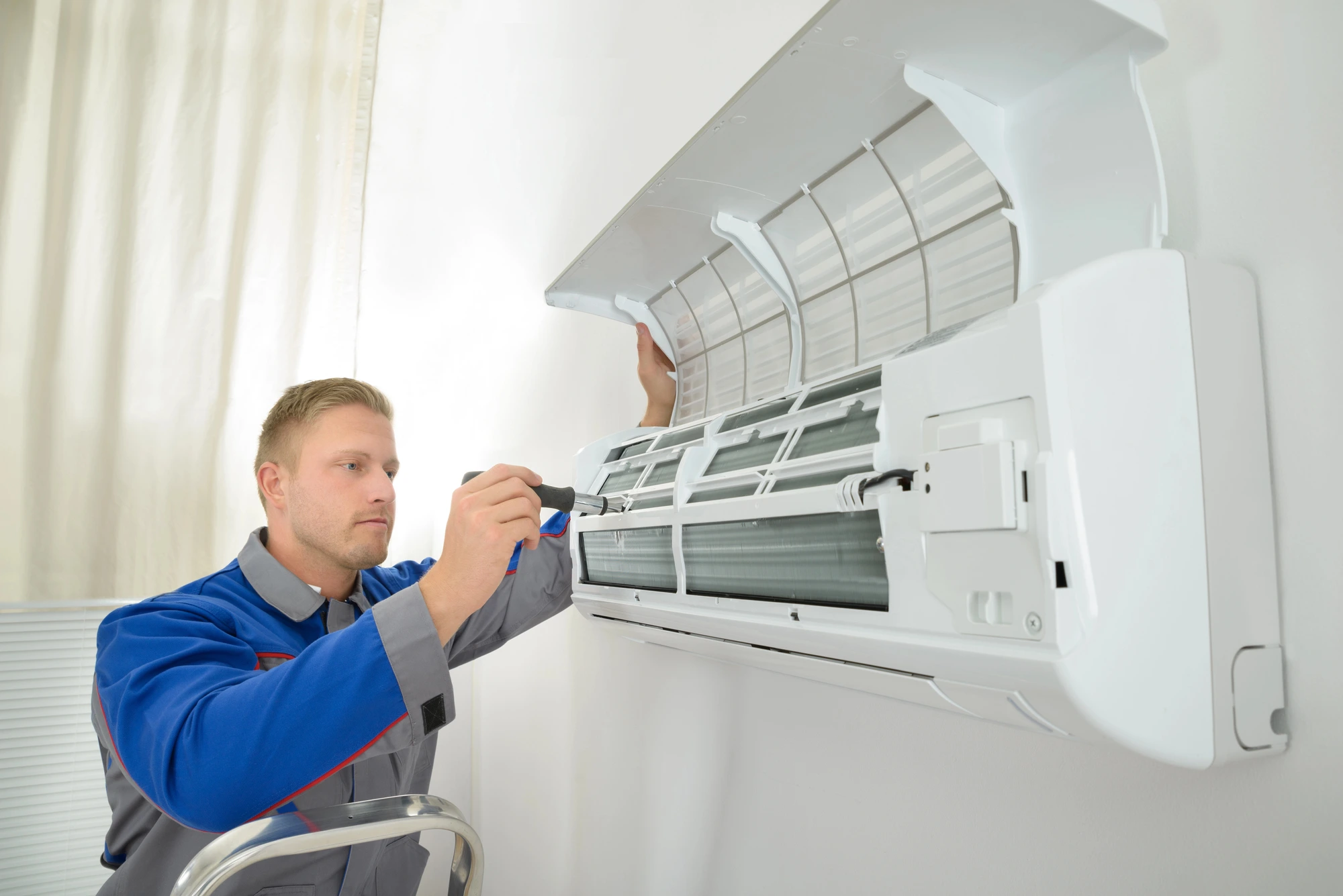
Don't Wait for Breakdowns: Schedule an AC Maintenance Near You
None of these seven problems start out as emergencies: they start out small, quiet, and easy to ignore. The best way to keep them that way is with a technician who knows exactly what to look for before a minor issue turns into a major repair bill.
Whether you need a routine tune-up, a repair, or you're just not sure what's going on with your system, our team at Allegiance Heating and Air is ready to help with any heating and cooling needs your home has. Contact our team today to schedule your visit.
Contact Us Or Schedule Expert Service
Other Blogs
ready to transform your home?
Discover our exceptional home services tailored to meet your needs and enhance your living space.
WHAT OUR CLIENTS HAVE TO SAY ABOUT US

We had a complete HVAC system and a hot water heater installed. The guys were professional, well mannered, and completed the work in a timely manner. Would definitely use them again.
I was nervous at first because my AC broke in the middle of 80 degree weather which is strange for April, but Allegiance Heating and Air was incredibly prompt and professional. The technician arrived within an hour, explained the problem clearly, and completed the repair. The technician , Mr. Garrett Moon was a very nice and courteous young man. He found the problem and fixed it within a timely manner. I highly recommend them for any heating or cooling needs. I’ll definitely give them a call again should I ever have another issue, but hopefully not. Knock on wood 😁. Give them a call… you won’t be disappointed!
From the moment I called to schedule a service, the team was quick to respond and arrived right on time. The technician was professional, friendly, and clearly knowledgeable about my heating system. He explained the repair options in plain language and completed the job efficiently. I appreciated the reliable service and the fact that the work was done the same day. I would definitely recommend Allegiance Heating and Air for any residential HVAC needs.
5/5 stars – I was very impressed with the efficient, affordable and timely service from Allegiance Heating and Air. The technician arrived on time, and performed the service quickly, no repairs needed at this time. Communication was clear and the whole experience felt hassle‑free. I would definitely recommend them for any residential HVAC needs.
Knowledgeable, experienced individual.
Explains Allegiance Heating and Air was incredibly reliable, professional and affordable. They arrived right on time, kept the work area clean and finished the furnace repair quickly. The technician explained everything clearly and the price was a great value. If happiness had a location on Google Maps, it would be here.
Gilbert had to go above and beyond because York is no longer making the part for my furnace. But he was able to find a way to construct a housing bracket for my furnace. Ingenuity, determination and integrity is what finally got my furnace fixed. Gilbert is truly a one of a kind technician.
Thank you for always going the extra mile. Gilbert is always respectful and helpful with any concerns.
"Great service, most knowledgeable and capable HVAC business in Kentuckiana!! Pete Flemming and Bryan the owner, are HVAC encyclopedias. They have the highest integrity of any HVAC business I have ever used. Allegiance has put numerous units in for me over the last 17 years. I will continue to use and trust them."
"Fast response from Allegiance when our heat was out on New Year’s day! Service technician was friendly and efficient. He took the time to explain the problem, tell us about the temporary fix and the plan for permanent repair. We were impressed!"
"Love Allegiance! Their technicians, in particular Benjamin, explain everything. Fast and thorough. A/C was out on a Sunday. Called Allegiance and within a few hours Benjamin arrived. Such a comfort as he was the one who last serviced our units. He quickly replaced part and cooling is restored!"
"My heat pump went out and I had to call after hours. The technician (Garrett) was outstanding and thorough. He got my system up and working until Monday and gave me several options of units. Also took the time to explain the issue to my Home warranty company. I highly recommend this company."
"Right on time :) respectful, fast, and polite. Even gave my fur babies some attention."
"Had Garrett out today to fix our AC. Fantastic tech. He showed up exactly when he said he would and kept us informed of what he was checking and what he found. Highly recommend!"
"Lucas with Allegiance showed up on time as promised, was professional and extremely patient and responsive with all my questions. He took care of the issue, and I feel he was trustworthy! He had us back to cool and comfortable on one of the hottest days of the year."
"Lucas did a great job! Very professional and expedient. Explained the process very well and represented Allegiance as a truly professional and reputable company."
"Arrived on time and work diligently to fix issue. These guy are great. Worked quickly to resolve my issues."
"Lucas was great - he spent a lot of time trying to figure out what was going on and explained everything he was doing. I trust Allegiance and wouldn’t want anyone else working on/in my house!!"

RELATED ARTICLES
Ultimate Guide to Heat Pump Benefits and How They Work
Greenville's Commercial Comfort: Top Furnace Repair for Businesses