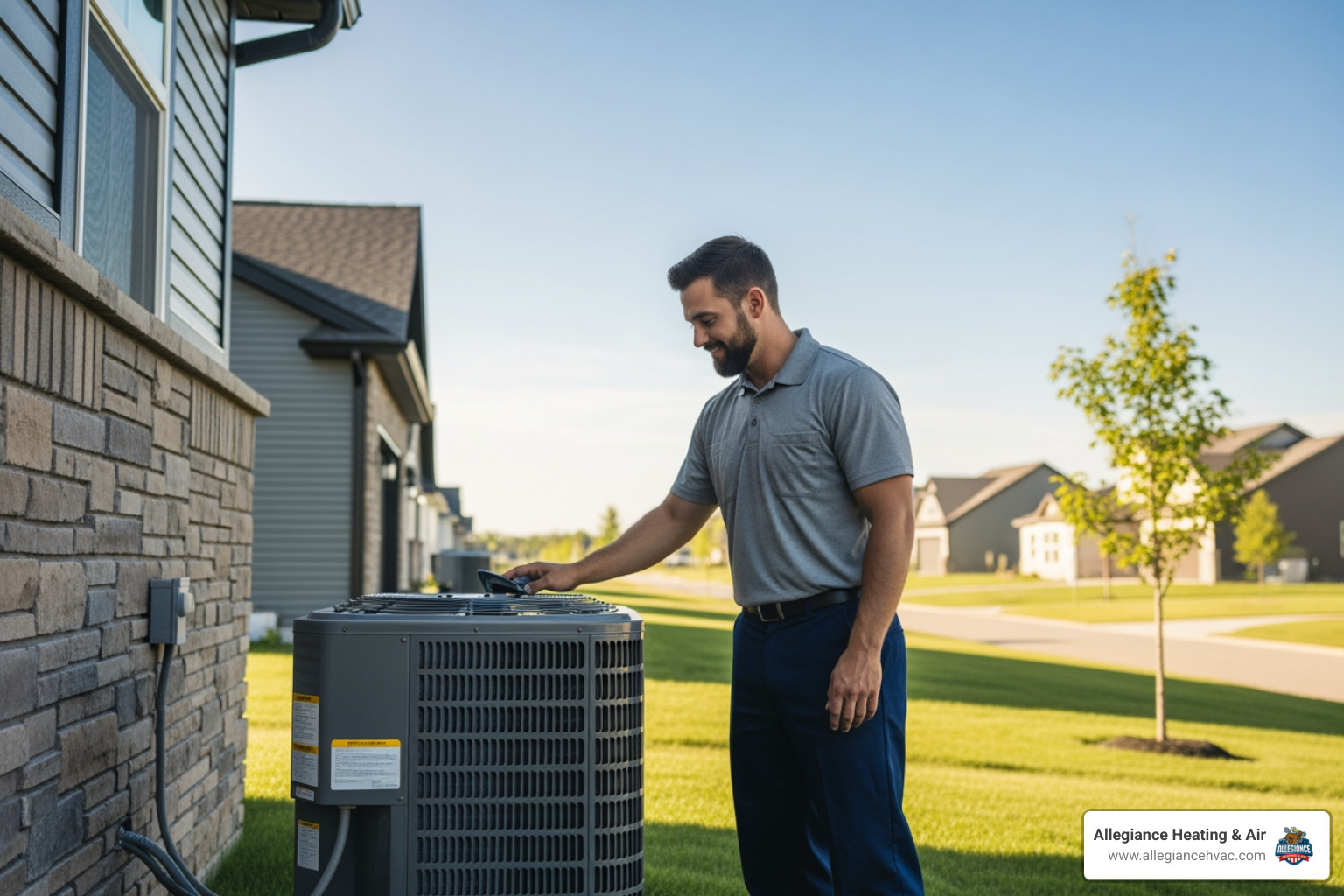

Why Carbon Monoxide Detection Matters for Your Home's Safety
A carbon monoxide detector is a life-saving device that alerts you to the presence of carbon monoxide (CO) gas in your home before it reaches dangerous levels. Here's what you need to know:
Key Facts About Carbon Monoxide Detectors:
- Purpose: Detect invisible, odorless CO gas that can be deadly
- Power Sources: Battery-operated, plug-in, or hardwired options available
- Placement: Install on every level of your home and outside sleeping areas
- Testing: Check monthly using the test button
- Lifespan: Replace detectors every 5-10 years depending on type
Often called the "invisible killer," carbon monoxide is an odorless, colorless, and tasteless gas produced when fuel-burning appliances like furnaces, water heaters, and stoves don't burn fuel completely.
The danger is real, with CO claiming over 430 lives annually and causing thousands of emergency room visits. Without a detector, early CO poisoning symptoms—headaches, dizziness, and nausea—are easily mistaken for the flu.
That's why CO detectors are your first line of defense. They monitor air quality 24/7 and sound an alarm when CO levels become dangerous, giving you time to get to safety and call for help.

The "Invisible Killer": Understanding Carbon Monoxide
There's a reason we call carbon monoxide the "invisible killer" – it's one of the most dangerous threats lurking in homes today. Unlike a fire you can see or smoke you can smell, carbon monoxide gives no warning signs until it's potentially too late.
What is Carbon Monoxide (CO)?
Carbon monoxide (CO) is a colorless, odorless, and tasteless gas that your senses cannot detect. You could be in a room with dangerous levels and not know it until you feel sick.
This gas results from incomplete combustion, which occurs when fuel-burning appliances lack enough oxygen to burn cleanly, creating toxic CO instead of harmless carbon dioxide.
Common sources include a furnace with a cracked heat exchanger, a water heater with a blocked vent, a gas stove used for heating, a fireplace with a blocked chimney, or a car idling in an attached garage. As HVAC professionals serving families throughout Greenville and Louisville, we've seen how quickly these situations can turn dangerous, which is why proper maintenance is a necessity.
Why CO is Dangerous
When you breathe in CO, it binds to your blood's hemoglobin over 200 times more strongly than oxygen. This process hijacks your red blood cells, preventing oxygen from reaching your vital organs.
This oxygen deprivation first affects the brain and heart, causing these critical systems to fail. Health risks escalate quickly from uncomfortable to life-threatening. Even small amounts of CO exposure can cause lasting damage, while high concentrations can be fatal within minutes. It's the second leading cause of poisoning in the United States, which is why having a carbon monoxide detector is essential for every home with fuel-burning appliances.
For more detailed information about the serious health consequences, check out our comprehensive guide on Carbon Monoxide Poisoning.
Symptoms of CO Poisoning
CO poisoning is dangerous because its symptoms mimic common illnesses like the flu. Instead of getting fresh air, people might lie down to rest, which can be a fatal mistake.
The first warning signs are often flu-like symptoms, including a dull headache, dizziness, nausea, weakness, shortness of breath, and chest pain.
As CO levels increase, confusion and disorientation set in. At just 70 parts per million (ppm), most people start feeling these effects. By 150 ppm, you could lose consciousness.
A key difference between CO poisoning and the flu is that symptoms often improve when you leave the house and worsen upon returning. If multiple family members experience these symptoms simultaneously, suspect carbon monoxide exposure first.
Choosing Your First Line of Defense: The Carbon Monoxide Detector
Since our senses can't detect carbon monoxide, a carbon monoxide detector is essential. It stands guard 24/7, ready to sound an alarm before CO levels become dangerous.
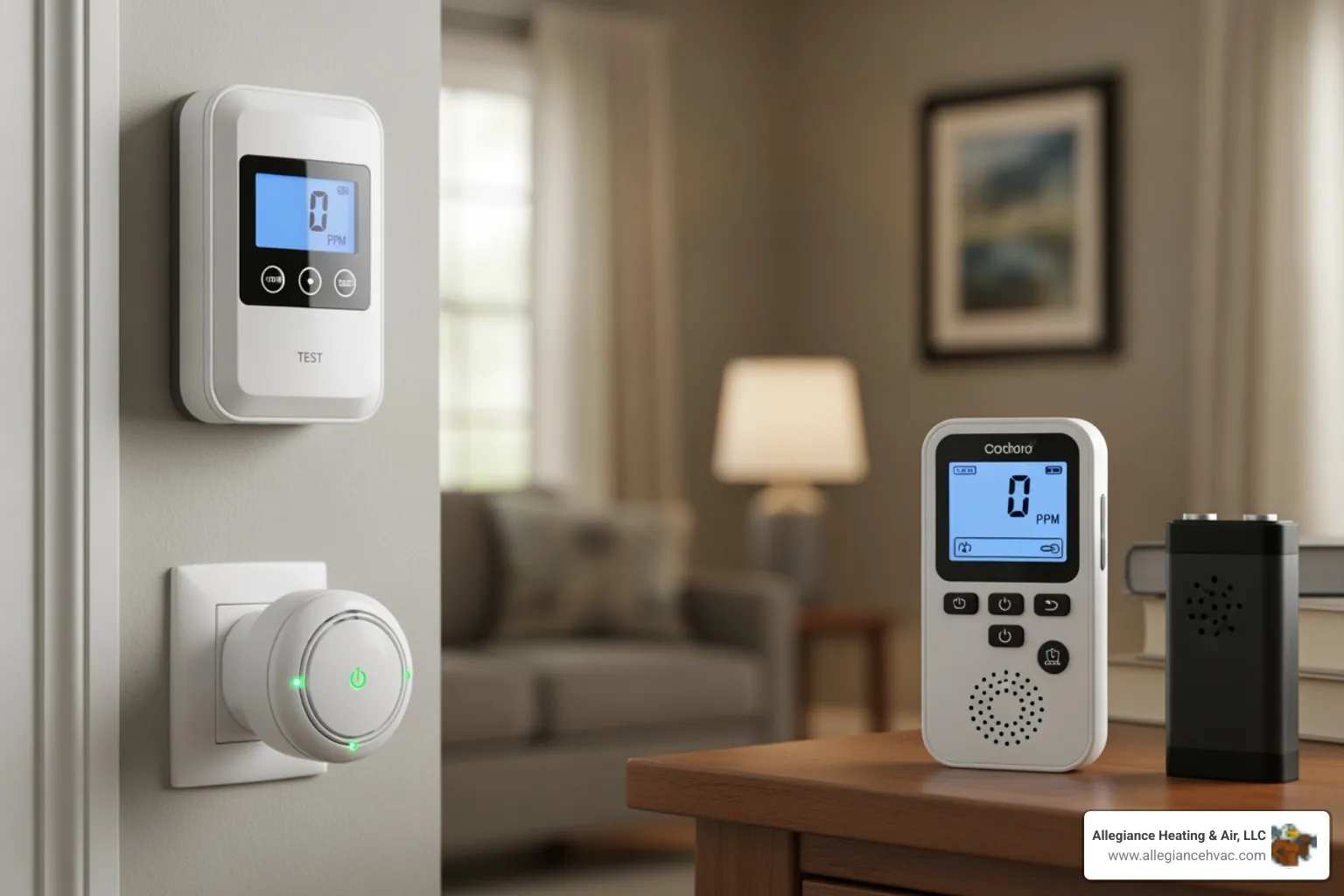
Most modern detectors use electrochemical sensors, where a chemical solution creates an electrical current when it meets CO gas. When the current indicates dangerous levels, the alarm sounds, giving you precious time to get your family to safety.
Different Types of Carbon Monoxide Detectors
Understanding your options will help you make the right choice for your home.
Battery-operated detectors offer placement flexibility, making them ideal for bedrooms or hallways. Traditional models require battery changes every six months, while newer versions feature 10-year sealed batteries.
Plug-in detectors are easy to install in any standard outlet and often include a battery backup. Their placement is limited by outlet availability.
Hardwired alarms connect directly to your home's electrical system. They are often interconnected, so when one alarm sounds, they all do, creating a home-wide alert system.
Combination smoke and CO alarms detect both threats in a single unit. This reduces clutter, but placement must be considered carefully, as ideal locations for each sensor can differ.
Smart detectors connect to your phone and smart home system, sending alerts even when you're away for ultimate peace of mind.
Here's how the two most popular types stack up:
FeaturePlug-in DetectorsBattery-Operated DetectorsProsConstant power, easy setup, often include battery backupUltimate flexibility, install anywhere, great for outlet-scarce areasConsNeed available outlets, less placement flexibilityRegular battery changes (unless sealed), can be disabled if batteries removedBest ForHallways and living areas with convenient outletsBedrooms and areas where outlets are limited
Key Features to Look For
Not all carbon monoxide detectors are created equal. Certain features can make a real difference in an emergency.
A digital display shows CO levels in real-time (usually above 30 ppm), providing a clear view of your air quality.
Peak level memory records the highest CO concentration detected, which is valuable information for diagnosing an intermittent problem, even after levels have returned to normal.
Voice alerts eliminate confusion by clearly announcing the type of danger (e.g., "Carbon Monoxide Detected!") and may provide instructions.
The 10-year sealed battery feature eliminates the need for regular battery changes and low-battery chirps, providing hassle-free protection for the detector's entire lifespan.
Interconnectivity is essential for larger homes. When one interconnected carbon monoxide detector sounds, they all sound, ensuring everyone gets the warning.
Choosing the right detector is about protecting your family. Carbon monoxide is just one aspect of indoor air quality that can affect your health. Poor air quality can impact your family's well-being in many ways, which is why we encourage you to learn more about the impact of Poor Indoor Air Quality on Health.
Strategic Placement for Maximum Protection
Installing a carbon monoxide detector is only half the battle—where you put it makes all the difference. Proper placement ensures effective protection rather than a false sense of security.
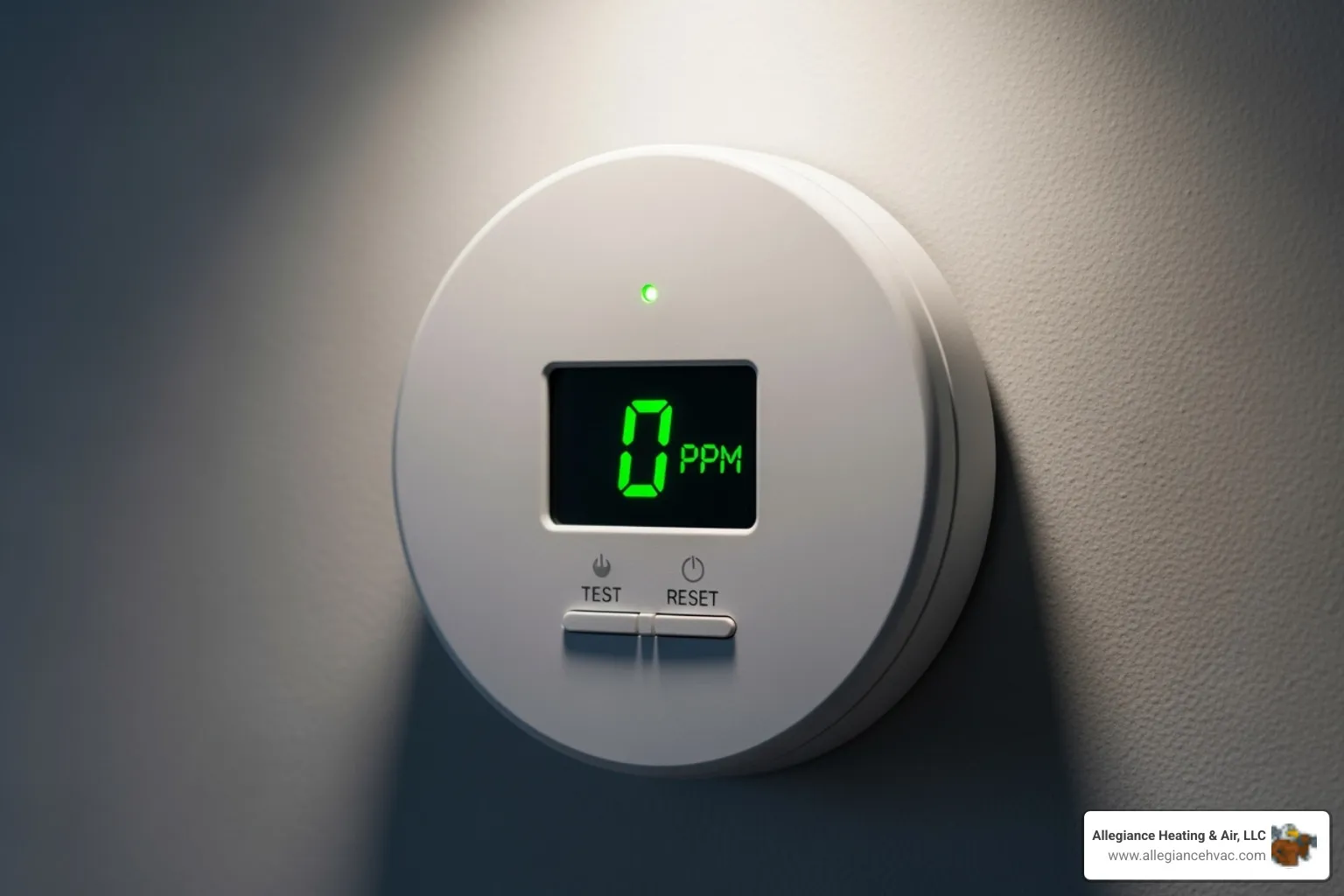
Most carbon monoxide detectors are designed for easy installation, but knowing exactly where to place them is key.
Where is the best place to install a carbon monoxide detector?
The National Fire Protection Association (NFPA) provides clear, life-saving guidelines for detector placement.
The NFPA recommends installing a carbon monoxide detector on every level of the home, including the basement, to ensure full coverage as CO can travel unexpectedly.
It's also crucial to place detectors outside each sleeping area. Since CO poisoning often occurs during sleep, an alarm in the hallway can wake everyone in time.
For maximum protection, consider placing detectors inside bedrooms as well. When it comes to an invisible, odorless gas that can kill, there's no such thing as being too careful.
Because carbon monoxide mixes evenly with air, most manufacturers recommend placing your detector on a wall about five feet from the floor or on the ceiling. The key is ensuring the alarm is audible throughout the area it protects.
For the most up-to-date guidance, check out the Official guidelines from the National Fire Protection Association (NFPA).
Placement Areas to Avoid
Knowing where not to put your carbon monoxide detector can prevent false alarms and dangerous delays in detection.
- Near fuel-burning appliances: Do not place detectors within 15 feet of these appliances. Proximity can cause false alarms during normal operation.
- Garages: These are poor locations due to temperature swings and exhaust fumes that cause false alarms and damage the sensor. Instead, place a detector inside the home near the garage entrance.
- Kitchens and Humid Areas: Avoid kitchens and bathrooms. Cooking fumes and steam can interfere with the sensor and cause false alarms.
- Near vents or fans: Strong air currents can blow CO away from the sensor or dilute it, preventing detection.
- Dead air spaces: Avoid corners or areas behind curtains where air doesn't circulate well. Your detector needs to "breathe" the same air you do.
Keeping Your Guard Up: Testing and Maintenance
A carbon monoxide detector is only as reliable as the care you give it. Regular attention ensures it's always ready to sound the alarm when you need it most.
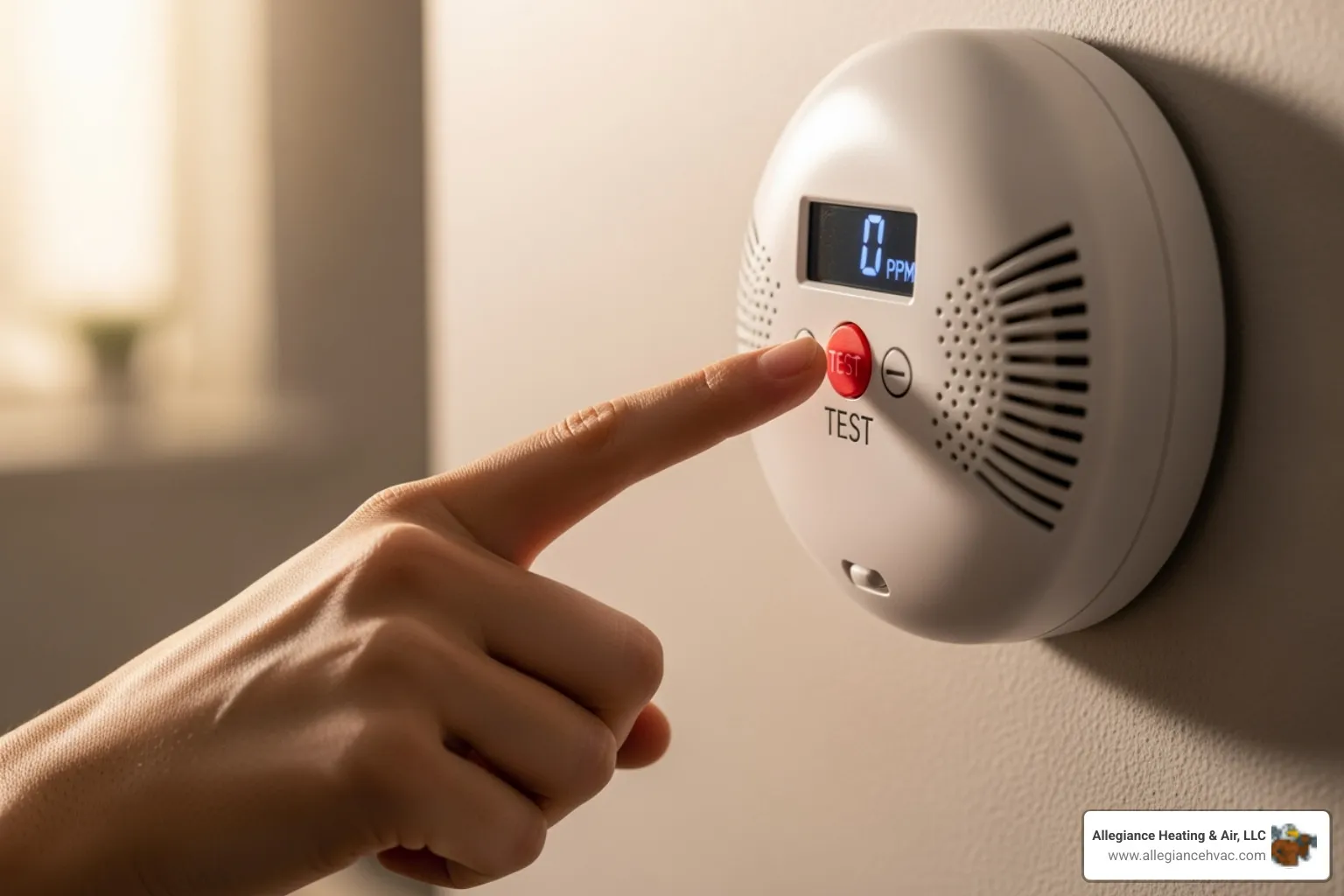
Maintaining your carbon monoxide detector is simple and keeps your family's first line of defense in top working order.
How Often to Test and Maintain Your Detector
Monthly testing is essential. Press the test button once a month to confirm the alarm's battery, electronics, and horn are working. The test button checks the alarm's functions, not the CO sensor itself. However, this test is crucial, as a silent detector is useless in an emergency.
For standard units, battery replacement every six months is the golden rule. A good reminder is to change them when you change your clocks for daylight saving time. Never "borrow" a battery from a CO detector, as this leaves your home unprotected. Detectors with 10-year sealed batteries eliminate this task.
Cleaning your detector is also important, as dust and debris can block the sensor. Gently vacuum the unit with a soft brush attachment or wipe it with a damp cloth to keep the vents clear.
Even the best carbon monoxide detector has an expiration date, typically 5-10 years. Check the "replace by" date on your unit and replace it on time. The sensor's accuracy decreases over time, so you want peak performance when it matters most.
Signs of a Malfunctioning Carbon Monoxide Detector
Your detector will tell you when something is wrong. Learn to recognize these signals.
- End-of-life signal: This warning (often five chirps per minute) indicates the sensor has expired. This is not a low-battery warning; the entire unit must be replaced.
- Chirping sounds: A single chirp per minute usually signals a low battery in replaceable models. If chirping continues after a battery change or occurs with a sealed unit, it may indicate a malfunction.
- Frequent false alarms: If your detector is placed correctly but still has frequent, unexplained alarms, the sensor may be faulty. Consider replacing the unit.
- Failure to respond to test: If the detector makes no sound when you press the test button, it has failed and requires immediate replacement.
A malfunctioning carbon monoxide detector offers no protection. Just like your HVAC system shows clear Top Signs HVAC System Needs Service, your CO detector communicates its needs. Don't ignore these signals.
Frequently Asked Questions
As your trusted HVAC professionals at Allegiance Heating & Air, LLC, we want to clear up common questions about carbon monoxide detectors.
What's the difference between a CO detector and a smoke alarm?
While both are essential, they protect you from different threats. Smoke alarms detect particles from a fire, while carbon monoxide detectors are designed specifically to sense CO gas.
Their placement also differs. Smoke rises, so smoke alarms are mounted high on walls or ceilings. CO mixes with air, so detector placement is more flexible, though high mounting is still recommended for audibility.
They use different sensor types and are not interchangeable. The Consumer Product Safety Commission is clear: you need both types of alarms for complete protection.
For more information, see the Information on CO Alarms from the CPSC.
What should I do if my CO alarm sounds?
If your carbon monoxide detector alarm goes off, treat it as a genuine emergency and act immediately.
- Evacuate everyone immediately. Do not stop for personal items. Move to the nearest exit.
- Move to fresh air and account for everyone who was in the house, including pets.
- Call 911 from a safe location (outside your home). Report a carbon monoxide alarm and provide your address.
- Do not go back inside until emergency personnel tell you it is safe. CO can cause disorientation, making it hard to think clearly or find your way out.
What do the different beeps or chirps mean?
Learning your carbon monoxide detector's language can help you distinguish an emergency from a maintenance reminder.
- Continuous Alarm Pattern: Typically four beeps, a pause, then four more beeps. This means CO has been detected. Evacuate immediately.
- Low Battery Chirp: A single chirp every minute usually means the battery is low and needs to be replaced.
- End-of-Life Signal: Often five chirps per minute, this signal means the detector's sensor has expired and the entire unit needs replacement.
Any other irregular chirps may indicate a malfunction. Always check your user manual or consider replacing the unit if you are unsure.
Conclusion: Ensure Your Home is Protected
A carbon monoxide detector is more than a checklist item; it's a silent guardian against an insidious, invisible threat. Proactive safety measures are crucial for protecting your family.
Your home protection checklist should include installing detectors on every level and near sleeping areas, testing them monthly, and replacing them before they expire. Models with 10-year sealed batteries can provide big peace of mind by eliminating the hassle of frequent battery swaps.
Your carbon monoxide detector works in tandem with proper HVAC maintenance. A well-maintained heating system from Allegiance Heating & Air, LLC is your first line of defense. When fuel-burning appliances like your furnace and water heater operate safely, they are far less likely to produce dangerous CO.
Professional HVAC inspections aren't just about comfort—they're about safety. Our highly vetted technicians in Greenville, IN, Louisville, KY, and surrounding areas know what to look for, from cracked heat exchangers to blocked vents.
Don't wait for an alarm to realize something is wrong. The best approach combines reliable carbon monoxide detectors with regular professional maintenance of your fuel-burning appliances. It's about protecting your family from preventable harm and ensuring your home remains a safe haven.
Ready to take the next step in home safety? Schedule your Louisville HVAC repair and safety inspection today! Let our experienced team help you ensure both the comfort and safety of your home.
Contact Us Or Schedule Expert Service
ready to transform your home?
Discover our exceptional home services tailored to meet your needs and enhance your living space.
WHAT OUR CLIENTS HAVE TO SAY ABOUT US

We had a complete HVAC system and a hot water heater installed. The guys were professional, well mannered, and completed the work in a timely manner. Would definitely use them again.
I was nervous at first because my AC broke in the middle of 80 degree weather which is strange for April, but Allegiance Heating and Air was incredibly prompt and professional. The technician arrived within an hour, explained the problem clearly, and completed the repair. The technician , Mr. Garrett Moon was a very nice and courteous young man. He found the problem and fixed it within a timely manner. I highly recommend them for any heating or cooling needs. I’ll definitely give them a call again should I ever have another issue, but hopefully not. Knock on wood 😁. Give them a call… you won’t be disappointed!
From the moment I called to schedule a service, the team was quick to respond and arrived right on time. The technician was professional, friendly, and clearly knowledgeable about my heating system. He explained the repair options in plain language and completed the job efficiently. I appreciated the reliable service and the fact that the work was done the same day. I would definitely recommend Allegiance Heating and Air for any residential HVAC needs.
5/5 stars – I was very impressed with the efficient, affordable and timely service from Allegiance Heating and Air. The technician arrived on time, and performed the service quickly, no repairs needed at this time. Communication was clear and the whole experience felt hassle‑free. I would definitely recommend them for any residential HVAC needs.
Knowledgeable, experienced individual.
Explains Allegiance Heating and Air was incredibly reliable, professional and affordable. They arrived right on time, kept the work area clean and finished the furnace repair quickly. The technician explained everything clearly and the price was a great value. If happiness had a location on Google Maps, it would be here.
Gilbert had to go above and beyond because York is no longer making the part for my furnace. But he was able to find a way to construct a housing bracket for my furnace. Ingenuity, determination and integrity is what finally got my furnace fixed. Gilbert is truly a one of a kind technician.
Thank you for always going the extra mile. Gilbert is always respectful and helpful with any concerns.
"Great service, most knowledgeable and capable HVAC business in Kentuckiana!! Pete Flemming and Bryan the owner, are HVAC encyclopedias. They have the highest integrity of any HVAC business I have ever used. Allegiance has put numerous units in for me over the last 17 years. I will continue to use and trust them."
"Fast response from Allegiance when our heat was out on New Year’s day! Service technician was friendly and efficient. He took the time to explain the problem, tell us about the temporary fix and the plan for permanent repair. We were impressed!"
"Love Allegiance! Their technicians, in particular Benjamin, explain everything. Fast and thorough. A/C was out on a Sunday. Called Allegiance and within a few hours Benjamin arrived. Such a comfort as he was the one who last serviced our units. He quickly replaced part and cooling is restored!"
"My heat pump went out and I had to call after hours. The technician (Garrett) was outstanding and thorough. He got my system up and working until Monday and gave me several options of units. Also took the time to explain the issue to my Home warranty company. I highly recommend this company."
"Right on time :) respectful, fast, and polite. Even gave my fur babies some attention."
"Had Garrett out today to fix our AC. Fantastic tech. He showed up exactly when he said he would and kept us informed of what he was checking and what he found. Highly recommend!"
"Lucas with Allegiance showed up on time as promised, was professional and extremely patient and responsive with all my questions. He took care of the issue, and I feel he was trustworthy! He had us back to cool and comfortable on one of the hottest days of the year."
"Lucas did a great job! Very professional and expedient. Explained the process very well and represented Allegiance as a truly professional and reputable company."
"Arrived on time and work diligently to fix issue. These guy are great. Worked quickly to resolve my issues."
"Lucas was great - he spent a lot of time trying to figure out what was going on and explained everything he was doing. I trust Allegiance and wouldn’t want anyone else working on/in my house!!"

RELATED ARTICLES

Don't Sweat It: Finding Top-Rated Heat Pump Replacement in Greenville
Common AC Emergency Situations in Clarksville