What to Do When Your AC Cant Keep Up With the Heat
When your AC cant keep up with the heat, you are not alone — and in many cases, your system is not broken. Here is a quick look at the most common reasons this happens and what you can do right now:
Quick answers if your AC is struggling:
- It may be working as designed. Most home AC systems can only cool about 20°F below the outdoor temperature. If it is 100°F outside, 78-80°F indoors is normal.
- Check your air filter first. A clogged filter reduces airflow and can increase energy use by 15% or more.
- Clear the outdoor unit. Debris blocking the condenser coil forces your system to work harder.
- Adjust your thermostat. Setting it to 78°F during extreme heat reduces strain and prevents damage.
- Look for ice on the lines. Ice forming on your AC is a sign of a real problem — turn the system to fan-only and call a technician.
- Inspect your vents. Closed or blocked vents and leaky ducts can cut system efficiency by up to 30%.
Every summer in Greenville, IN, homeowners call because their house is sitting at 77°F when the thermostat is set to 71°F. It feels like something is wrong. Sometimes it is. But often, the system is simply hitting its physical limits during an extreme heat stretch — and a few simple steps can make a real difference before you need professional help.
This guide walks you through exactly how to troubleshoot the problem in five clear steps.
Understanding the 20-Degree Rule: When Your AC Cant Keep Up With the Heat
Before we dive into the physical troubleshooting steps, let's look at the science of home cooling. Many homeowners in southern Indiana and the greater Louisville area—from Floyds Knobs to Clarksville—experience a moment of panic in late June when the outdoor thermostat ticks past 95°F. Your indoor air conditioning is running continuously, yet the indoor temperature refuses to budge below 76°F.
Is your system broken? Often, the answer is no.
Residential air conditioning units are designed around a thermodynamic principle known as the 20-degree rule (or temperature delta). Under normal operating conditions, a healthy and properly sized central air conditioner is engineered to cool your indoor spaces to a maximum of roughly 20°F cooler than the outdoor temperature.
This limitation is tied directly to local design temperatures. HVAC systems are intentionally sized to operate efficiently during 98% of the typical high temperatures in your specific region. In our part of Indiana, our typical summer highs average in the high 80s to low 90s, not sustained triple-digit heatwaves. Sizing a system to easily cool a home to 68°F on a 105°F day would require an oversized unit that would perform terribly (and create massive humidity problems) during the other 98% of the year.
When outdoor temperatures exceed these design limits, your system capacity is pushed to its absolute threshold. If you want to understand the underlying causes of this stress, you can read more about the Reasons Your AC Fails in the Heat.
To help you manage your cooling expectations when the summer sun gets serious in June 2026, keep this handy temperature guide in mind:
| Outdoor Temperature (°F) | Realistic Indoor Target Temperature (°F) | System Status & Expectation |
|---|---|---|
| 85°F | 65°F – 68°F | Easily achievable; system cycles normally. |
| 90°F | 70°F – 72°F | Moderately achievable; cycles will be longer. |
| 95°F | 75°F – 77°F | Peak design limit; system will run continuously in the afternoon. |
| 100°F | 78°F – 80°F | Extreme load; indoor temperatures in the high 70s are normal and healthy. |
5 Steps to Troubleshoot Your AC When It Struggles
If your system is falling significantly short of that 20-degree delta—for example, if it is 90°F outside but your living room is a muggy 82°F—it is time to perform some basic troubleshooting. Many common airflow and performance bottlenecks can be addressed with simple DIY fixes before you need to schedule a service call.
Step 1: Replace Clogged Filters when your ac cant keep up with the heat
When your air conditioning system has to fight to pull air through a dirty, dust-caked barrier, its cooling capacity plummets. A clogged air filter restricts airflow, which increases static pressure within your ductwork. This forces your blower motor to work significantly harder, leading to a 15% increase in energy use and putting immense thermal stress on your system.
During a demanding Indiana summer, we recommend checking your air filter every 30 days—especially if you have pets or live in dusty areas like Borden or Georgetown. If you skip this basic maintenance, you risk restricting airflow so severely that your system's evaporator coil freezes over, cutting off cooling entirely. To learn more about what can go wrong, check out our detailed guide on What Happens If You Skip HVAC Maintenance.
Step 2: Clear Debris Around the Condenser Coil
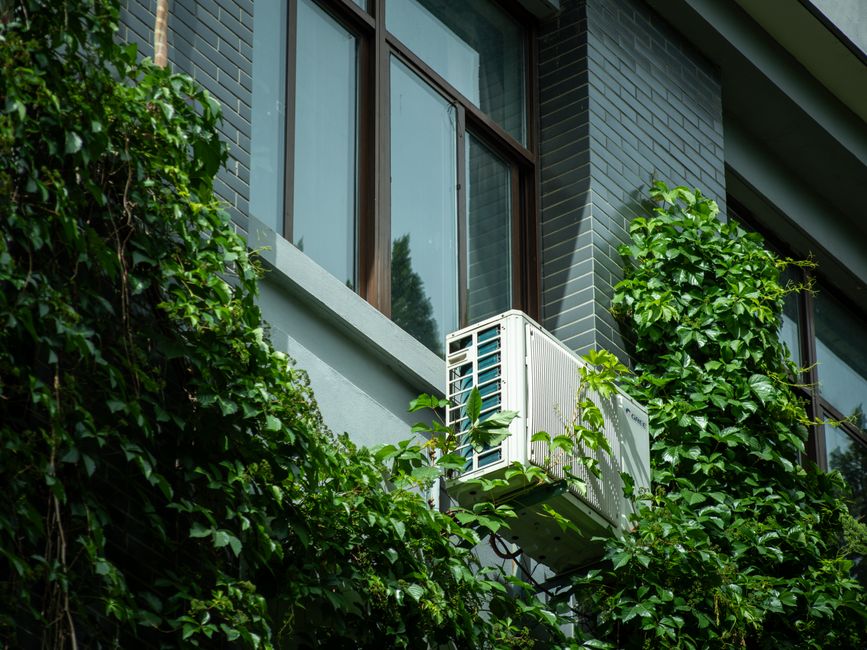
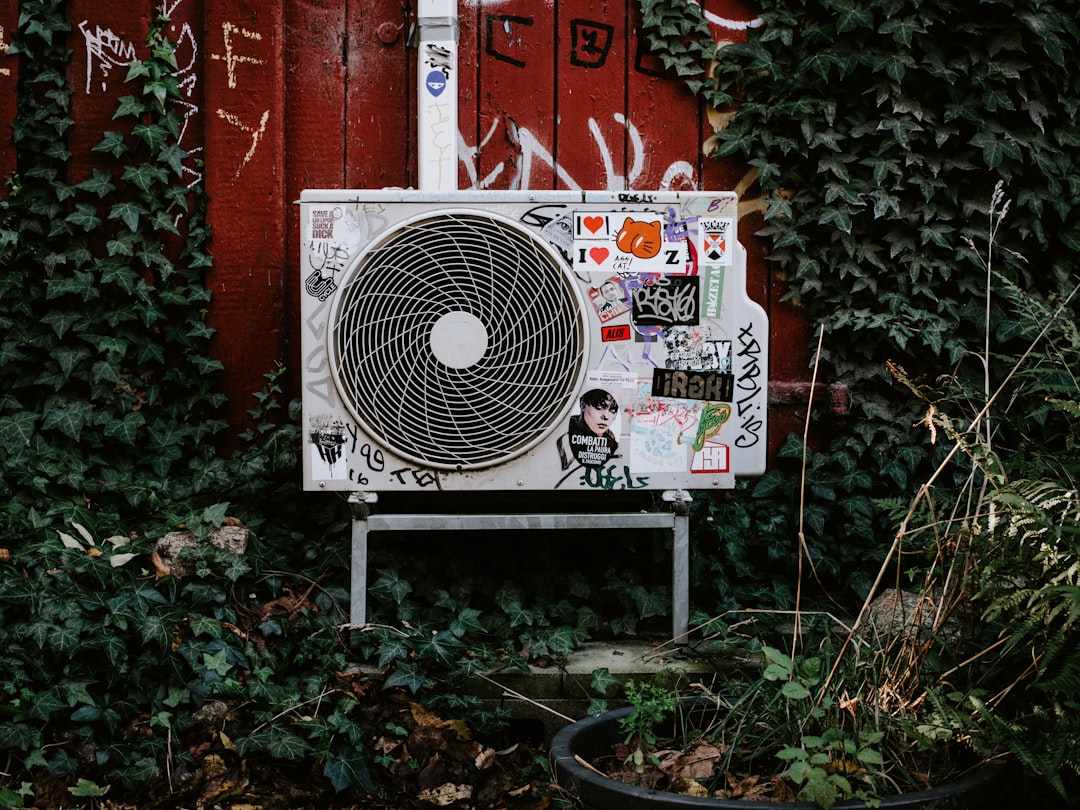
The outdoor portion of your air conditioner is called the condenser. Its job is to release the heat absorbed from inside your home into the outdoor air. If your outdoor unit is surrounded by overgrown weeds, shrubs, fallen leaves, or cottonwood fuzz, that crucial heat transfer process cannot occur efficiently.
To help your condenser breathe:
- Maintain at least a two-foot clear zone around your outdoor unit.
- Clear away any weeds, grass clippings, or low-hanging branches.
- Turn off the power to your unit at the outdoor disconnect box, and gently rinse the condenser coil with a garden hose on a normal spray setting (never use a pressure washer, as it will bend the delicate aluminum fins).
Step 3: Optimize Thermostat Settings
Setting your thermostat to 65°F on a 98°F day will not make the air coming out of your vents any colder; it simply commands your system to run indefinitely, chasing an impossible goal. This continuous operation can lead to compressor overload and premature component failure.
Instead, try these strategic adjustments:
- Set your thermostat to 78°F when you are home, and raise it slightly when you are away.
- Verify that your thermostat is not located on a hot exterior wall or directly in the path of a heat source (like a sunny window or near a kitchen appliance), which can throw off its calibration and cause the system to overwork.
- Keep your fan setting on "Auto" rather than "On" to ensure your system dehumidifies your indoor air effectively during humid Indiana afternoons.
Step 4: Open Vents and Inspect for Duct Leaks
A common misconception is that closing supply vents in unused rooms saves energy. In reality, modern central HVAC systems are designed for balanced airflow. Closing vents increases the static pressure in your ductwork, which actually reduces system efficiency and can cause your evaporator coil to freeze. Keep all registers open and clear of furniture or drapes.
Additionally, ductwork running through a scorching attic (which can easily reach 140°F to 150°F in places like New Albany or Jeffersonville) must be completely sealed. Duct leaks can reduce HVAC efficiency by up to 30%, pulling superheated attic air directly into your living spaces. If your system is blowing tepid air despite clean filters, read more about Why AC is Blowing Warm Air.
Step 5: Check for Ice and Signs of Low Refrigerant
If you notice a physical buildup of ice on the copper lines leading to your outdoor unit, or if the indoor evaporator coil is encased in frost, your system is in trouble. This is typically caused by either a severe lack of airflow (such as a completely blocked filter) or a refrigerant leak.
Refrigerant does not get "used up" like gasoline; it circulates in a closed loop. If your system is low on refrigerant, it means there is a physical leak that must be located and repaired by a professional. If you suspect your system is low on charge or icing up, turn the thermostat to "Off" and the fan setting to "On" to let the ice melt, and read our breakdown on how an AC Might Be Blowing Warm Air before calling for service.
Mechanical and Efficiency Factors That Overwhelm Your System
Sometimes, when your ac cant keep up with the heat, the root cause lies deeper than a dirty filter or blocked condenser. Several structural and mechanical factors can place an overwhelming thermal load on your home, making it nearly impossible for even a healthy system to maintain comfort.
High humidity is one of the biggest challenges we face in southern Indiana. When the indoor relative humidity climbs above 60%, your air conditioner has to work twice as hard because it must remove latent moisture from the air before it can effectively lower the temperature. To prepare your home for these sticky conditions, read our guide on Preparing Your AC for a Humid Indiana Summer.
Other major home efficiency factors include:
- Inadequate Attic Insulation: If your attic lacks proper insulation, radiant heat from your roof will migrate directly through your ceiling, turning your upper level into an oven.
- Solar Heat Gain: Uncovered south- and west-facing windows can account for up to 30% of your home's unwanted summer heat gain. Keeping blinds closed during peak afternoon hours is a simple, zero-cost way to help your AC.
- Aging Components: As systems age, compressors lose pumping efficiency, fan motors slow down, and electrical capacitors weaken, leading to a steady decline in overall cooling capacity.
How System Sizing and Age Impact Performance when your ac cant keep up with the heat
To ensure proper cooling, an HVAC system must be sized precisely for your home using a professional Manual J load calculation. This calculation takes into account your home’s square footage, window layout, insulation levels, and local climate data.
An undersized system will run continuously without ever reaching your target temperature on hot days. Conversely, an oversized system will "short-cycle" (turning on and off rapidly), failing to run long enough to remove humidity, leaving your home feeling cold but damp and sticky.
System age also plays a massive role. Most traditional central air conditioners have a 10-15 year lifespan. Older systems designed under outdated SEER (Seasonal Energy Efficiency Ratio) standards struggle significantly compared to modern, highly efficient systems built under modern SEER2 compliance guidelines. If your older system is constantly running and your energy bills are skyrocketing, it is wise to learn the Top Signs HVAC System Needs Service to determine if a replacement is on the horizon.
Frequently Asked Questions about AC Heatwave Performance
Is it normal for my AC to run all day during a heatwave?
Yes, continuous runtime is completely normal when outdoor temperatures rise above 95°F. Your system is designed to run long, steady cycles to maintain a consistent temperature and remove humidity. However, if your system is running 24/7 and the indoor temperature continues to rise past 80°F, or if it is running continuously during the cool overnight hours, you likely have an underlying airflow or mechanical issue. That Summer is the Worst Time for AC Breakdown, so addressing these warning signs early is crucial.
Why does my AC blow warm air when it gets extremely hot outside?
When outdoor temperatures soar, the electrical and mechanical components of your AC are subjected to extreme thermal stress. The most common culprit behind a sudden blast of warm air during a heatwave is a failed start/run capacitor. Capacitors act like temporary batteries that power your compressor and outdoor fan motor; extreme heat causes them to swell and fail. When this happens, the compressor shuts down while the indoor blower continues to circulate uncooled air. If your system stops cooling suddenly, look for the Signs You Need Emergency AC Repair.
When should I repair my struggling AC versus replacing it?
To make the right choice, we recommend using the 50% rule: if the cost of a repair exceeds 50% of the value of a new, high-efficiency system, replacement is generally the smarter investment. This is especially true if your unit has crossed the 10-year mark and you are already dealing with rising energy bills. Upgrading from an older 10 SEER system to a modern 16+ SEER system can slash your summer cooling costs by 30% to 50%. For more guidance on prioritizing repairs, review these critical AC Problems That Can't Wait.
Conclusion
When your air conditioner struggles to keep your home comfortable during the peak of summer, taking a methodical approach to troubleshooting can save you time, stress, and unnecessary expense. By understanding the physical limitations of the 20-degree rule, keeping your air filters clean, clearing your outdoor condenser, and optimizing your thermostat, you can help your system weather the worst of the summer heat.
At Allegiance Heating & Air, LLC, we have been proudly serving our neighbors in Greenville, IN, and surrounding communities like Floyds Knobs, Lanesville, and Corydon since 2005. As a family-owned local business, we are committed to "Taking Home Comfort Under Our Wing." Whether you need a quick system tune-up to boost efficiency, an emergency repair, or a professional load calculation for a modern system upgrade, our trusted technicians are here to help.
If your air conditioner still cannot beat the heat after trying these troubleshooting steps, do not sweat out the summer. Schedule Professional Air Conditioning Services with Allegiance Heating & Air today, and let us bring reliable comfort back to your home.
Contact Us Or Schedule Expert Service
Other Blogs
ready to transform your home?
Discover our exceptional home services tailored to meet your needs and enhance your living space.
WHAT OUR CLIENTS HAVE TO SAY ABOUT US

We had a complete HVAC system and a hot water heater installed. The guys were professional, well mannered, and completed the work in a timely manner. Would definitely use them again.
I was nervous at first because my AC broke in the middle of 80 degree weather which is strange for April, but Allegiance Heating and Air was incredibly prompt and professional. The technician arrived within an hour, explained the problem clearly, and completed the repair. The technician , Mr. Garrett Moon was a very nice and courteous young man. He found the problem and fixed it within a timely manner. I highly recommend them for any heating or cooling needs. I’ll definitely give them a call again should I ever have another issue, but hopefully not. Knock on wood 😁. Give them a call… you won’t be disappointed!
From the moment I called to schedule a service, the team was quick to respond and arrived right on time. The technician was professional, friendly, and clearly knowledgeable about my heating system. He explained the repair options in plain language and completed the job efficiently. I appreciated the reliable service and the fact that the work was done the same day. I would definitely recommend Allegiance Heating and Air for any residential HVAC needs.
5/5 stars – I was very impressed with the efficient, affordable and timely service from Allegiance Heating and Air. The technician arrived on time, and performed the service quickly, no repairs needed at this time. Communication was clear and the whole experience felt hassle‑free. I would definitely recommend them for any residential HVAC needs.
Knowledgeable, experienced individual.
Explains Allegiance Heating and Air was incredibly reliable, professional and affordable. They arrived right on time, kept the work area clean and finished the furnace repair quickly. The technician explained everything clearly and the price was a great value. If happiness had a location on Google Maps, it would be here.
Gilbert had to go above and beyond because York is no longer making the part for my furnace. But he was able to find a way to construct a housing bracket for my furnace. Ingenuity, determination and integrity is what finally got my furnace fixed. Gilbert is truly a one of a kind technician.
Thank you for always going the extra mile. Gilbert is always respectful and helpful with any concerns.
"Great service, most knowledgeable and capable HVAC business in Kentuckiana!! Pete Flemming and Bryan the owner, are HVAC encyclopedias. They have the highest integrity of any HVAC business I have ever used. Allegiance has put numerous units in for me over the last 17 years. I will continue to use and trust them."
"Fast response from Allegiance when our heat was out on New Year’s day! Service technician was friendly and efficient. He took the time to explain the problem, tell us about the temporary fix and the plan for permanent repair. We were impressed!"
"Love Allegiance! Their technicians, in particular Benjamin, explain everything. Fast and thorough. A/C was out on a Sunday. Called Allegiance and within a few hours Benjamin arrived. Such a comfort as he was the one who last serviced our units. He quickly replaced part and cooling is restored!"
"My heat pump went out and I had to call after hours. The technician (Garrett) was outstanding and thorough. He got my system up and working until Monday and gave me several options of units. Also took the time to explain the issue to my Home warranty company. I highly recommend this company."
"Right on time :) respectful, fast, and polite. Even gave my fur babies some attention."
"Had Garrett out today to fix our AC. Fantastic tech. He showed up exactly when he said he would and kept us informed of what he was checking and what he found. Highly recommend!"
"Lucas with Allegiance showed up on time as promised, was professional and extremely patient and responsive with all my questions. He took care of the issue, and I feel he was trustworthy! He had us back to cool and comfortable on one of the hottest days of the year."
"Lucas did a great job! Very professional and expedient. Explained the process very well and represented Allegiance as a truly professional and reputable company."
"Arrived on time and work diligently to fix issue. These guy are great. Worked quickly to resolve my issues."
"Lucas was great - he spent a lot of time trying to figure out what was going on and explained everything he was doing. I trust Allegiance and wouldn’t want anyone else working on/in my house!!"

RELATED ARTICLES
Energy Saving Tips for Summer in the Ohio Valley: Beginner's Guide
Preventive Maintenance: The Fountain of Youth for Your Heating and Cooling