


Few things are more puzzling than switching the thermostat from heating to cooling, or back again, and watching nothing change. The system hums along, the vents keep blowing the wrong kind of air, and the house stays uncomfortable.
When a heat pump gets stuck in one mode, the cause is usually traceable, and it often points to a single component. Knowing what to look for makes the conversation with a technician faster and helps homeowners decide when heat pump repair is the right next step.
Understanding how the system switches modes and what can go wrong in that process takes much of the mystery out of the problem. Homeowners who keep up with regular heat pump service give themselves a better chance of catching these issues before they leave a house too hot or too cold.
How a Heat Pump Switches Between Heating and Cooling
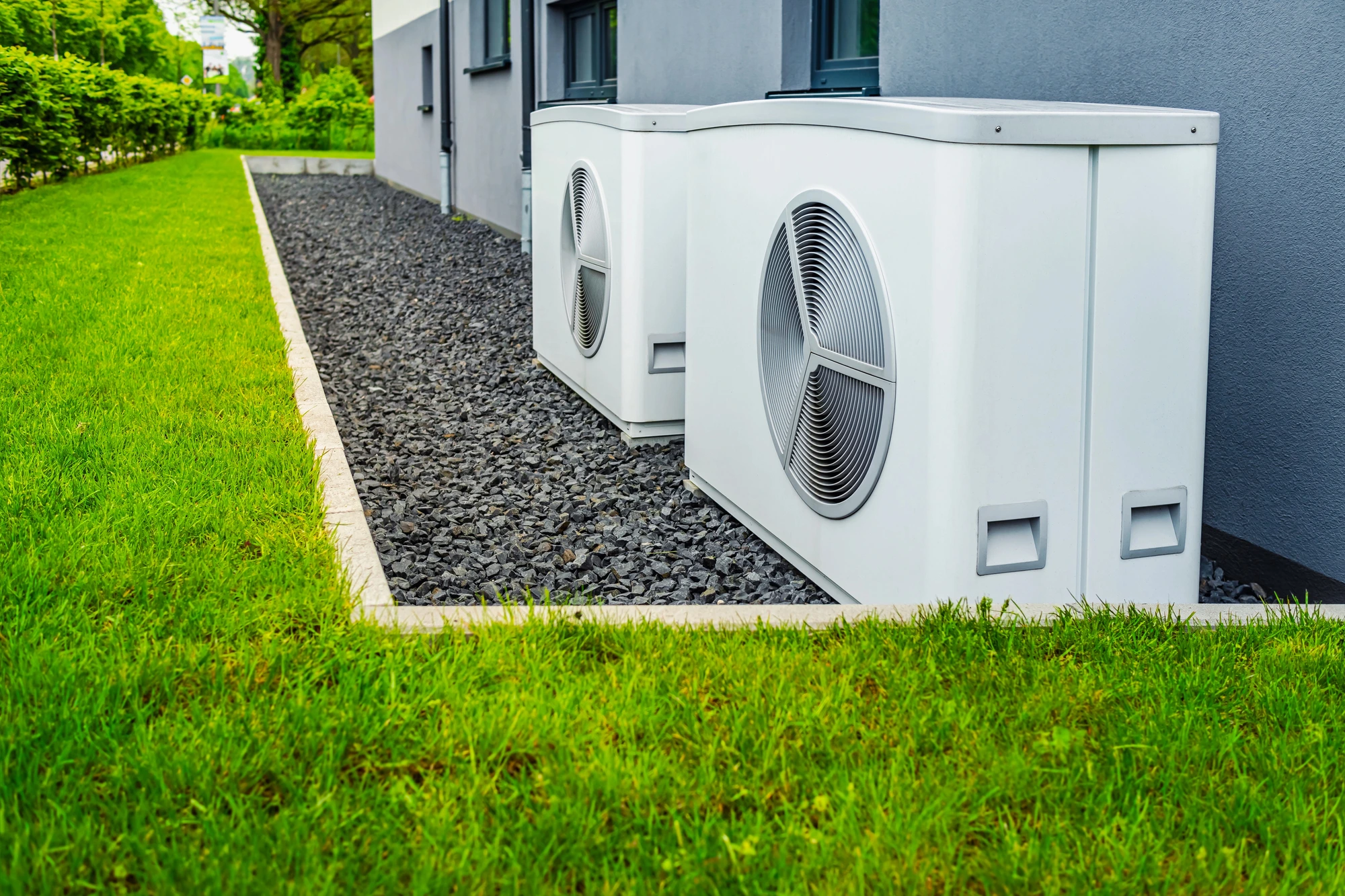
Unlike a furnace, a heat pump doesn't create heat. It moves it. In winter, it pulls warmth from outdoor air and sends it inside. In summer, it reverses course and moves heat out of the house. The part that makes this possible is the reversing valve, which flips the direction of refrigerant flow between heating and cooling modes.
A small electrical component called a solenoid triggers the valve. When the solenoid energizes or shuts off, the valve shifts, and the refrigerant takes the opposite path through the system. According to ACHR News, most manufacturers design their systems to default to heating if the coil loses power. That's why a dead solenoid usually leaves a home with working heat but no cooling.
Common Causes When a Heat Pump Won't Switch Modes
In most cases, the problem traces back to a handful of sources. The reversing valve itself can fail in three main ways:
- Stuck in a position, where the internal slider won't move, and the system stays locked in one mode
- A defective or displaced solenoid coil that can't create the magnetic field needed to shift the valve
- An internal leak, where refrigerant bypasses the valve seals and reduces capacity in both modes
A Stuck Reversing Valve
When the slider inside the valve refuses to move, the system can't change direction, no matter what the thermostat says. Trade publications devote entire troubleshooting guides to stuck sliders and hidden leaks, a sign that this problem takes real diagnostic skill to pin down.
Electrical Problems
The valve can only shift when it receives the right signal. A burned-out solenoid, a coil that has moved out of position, or wiring problems can all interrupt that signal. The defrost board can also play a role. No voltage at the coil points to a wiring problem or a faulty defrost board, while full voltage with a cold coil means the coil itself has failed and needs replacement.
Thermostat Settings and Delays
Sometimes the system isn't broken at all. A thermostat set to the wrong mode, or one that delays a mode change, can look like a failure. A short wait is reasonable before assuming something is wrong, since a thermostat doesn't always switch modes instantly.
Thermostat calibration is also a standard part of a thorough tune-up, and it's included in a professional maintenance plan.
Warning Signs the Reversing Valve Is the Problem
Certain symptoms point toward the valve more than other components:
- Cold air blowing when the home needs heat
- Heating that works while cooling doesn't, or the other way around
- No click when the system changes modes, or grinding noises during the switch
- Reduced output in both heating and cooling
A healthy valve makes a sharp, immediate sound as it shifts, and a delayed click or grinding points to mechanical trouble inside. Noticing those details and passing them along to a qualified heat pump technician helps speed up the diagnosis.
What You Can Check Before Calling a Technician
Start with the thermostat. Confirm it's set to the intended mode and temperature, and give the system a few minutes to respond. Then check the breaker panel to make sure the outdoor unit hasn't lost power. If cooling is the only thing missing, it may also be worth having a professional look at cooling-side problems as part of the diagnosis.
Beyond that, leave the testing to a technician. Checking a reversing valve involves measuring voltage and resistance at the coil, which requires training and the right equipment. Never strike the valve with a hammer or wrench to try to free it. ACHR News warns that this can crack the valve seat or damage the slider, turning a repairable part into an internal leak.
Repair or Replace?
Reversing valve and solenoid repairs are often worth making, especially on a system that otherwise runs well. The decision gets harder when an older system keeps developing new problems or when repair bills start piling up. In those cases, a technician can help weigh the value of another repair against the benefits of a new heat pump installation.

Frequently Asked Questions
Why is my heat pump blowing cold air in heating mode?
A few things can cause it. The reversing valve may be stuck in cooling mode, the solenoid may not be shifting it, or the system may be in a normal defrost cycle. Because the causes range from harmless to serious, a technician can sort out which one applies.
Can a heat pump work in one mode but not the other?
Yes. Most systems are designed to default to heating if the solenoid loses power, so a failed solenoid commonly leaves a home with working heat but no cooling. The pattern can differ depending on how the valve fails.
Is it safe to keep running a heat pump that won't switch modes?
Waiting rarely makes the problem better, and a valve with an internal leak can reduce capacity in both modes. Scheduling a diagnosis early is the safer choice, particularly when the home depends on that heat.
How can I help prevent heat pump problems?
Regular professional maintenance gives a technician the chance to inspect electrical components, check refrigerant pressure, and calibrate the thermostat before small issues grow.
Homeowners can also keep the outdoor unit clear of debris and change air filters on schedule. Browsing the full range of HVAC services available in the area makes it easier to build a maintenance routine.

Stuck in One Mode? Schedule Heat Pump Repair Before the Next Cold Snap
At Allegiance Heating & Air, we know how quickly an uncomfortable house turns into a stressful one. Our team can diagnose why your system won't switch modes, whether the cause is a simple fix or a failing component. Schedule your appointment today, and let us help get your comfort back on track.
Contact Us Or Schedule Expert Service
Other Blogs
ready to transform your home?
Discover our exceptional home services tailored to meet your needs and enhance your living space.
WHAT OUR CLIENTS HAVE TO SAY ABOUT US

We had a complete HVAC system and a hot water heater installed. The guys were professional, well mannered, and completed the work in a timely manner. Would definitely use them again.
I was nervous at first because my AC broke in the middle of 80 degree weather which is strange for April, but Allegiance Heating and Air was incredibly prompt and professional. The technician arrived within an hour, explained the problem clearly, and completed the repair. The technician , Mr. Garrett Moon was a very nice and courteous young man. He found the problem and fixed it within a timely manner. I highly recommend them for any heating or cooling needs. I’ll definitely give them a call again should I ever have another issue, but hopefully not. Knock on wood 😁. Give them a call… you won’t be disappointed!
From the moment I called to schedule a service, the team was quick to respond and arrived right on time. The technician was professional, friendly, and clearly knowledgeable about my heating system. He explained the repair options in plain language and completed the job efficiently. I appreciated the reliable service and the fact that the work was done the same day. I would definitely recommend Allegiance Heating and Air for any residential HVAC needs.
5/5 stars – I was very impressed with the efficient, affordable and timely service from Allegiance Heating and Air. The technician arrived on time, and performed the service quickly, no repairs needed at this time. Communication was clear and the whole experience felt hassle‑free. I would definitely recommend them for any residential HVAC needs.
Knowledgeable, experienced individual.
Explains Allegiance Heating and Air was incredibly reliable, professional and affordable. They arrived right on time, kept the work area clean and finished the furnace repair quickly. The technician explained everything clearly and the price was a great value. If happiness had a location on Google Maps, it would be here.
Gilbert had to go above and beyond because York is no longer making the part for my furnace. But he was able to find a way to construct a housing bracket for my furnace. Ingenuity, determination and integrity is what finally got my furnace fixed. Gilbert is truly a one of a kind technician.
Thank you for always going the extra mile. Gilbert is always respectful and helpful with any concerns.
"Great service, most knowledgeable and capable HVAC business in Kentuckiana!! Pete Flemming and Bryan the owner, are HVAC encyclopedias. They have the highest integrity of any HVAC business I have ever used. Allegiance has put numerous units in for me over the last 17 years. I will continue to use and trust them."
"Fast response from Allegiance when our heat was out on New Year’s day! Service technician was friendly and efficient. He took the time to explain the problem, tell us about the temporary fix and the plan for permanent repair. We were impressed!"
"Love Allegiance! Their technicians, in particular Benjamin, explain everything. Fast and thorough. A/C was out on a Sunday. Called Allegiance and within a few hours Benjamin arrived. Such a comfort as he was the one who last serviced our units. He quickly replaced part and cooling is restored!"
"My heat pump went out and I had to call after hours. The technician (Garrett) was outstanding and thorough. He got my system up and working until Monday and gave me several options of units. Also took the time to explain the issue to my Home warranty company. I highly recommend this company."
"Right on time :) respectful, fast, and polite. Even gave my fur babies some attention."
"Had Garrett out today to fix our AC. Fantastic tech. He showed up exactly when he said he would and kept us informed of what he was checking and what he found. Highly recommend!"
"Lucas with Allegiance showed up on time as promised, was professional and extremely patient and responsive with all my questions. He took care of the issue, and I feel he was trustworthy! He had us back to cool and comfortable on one of the hottest days of the year."
"Lucas did a great job! Very professional and expedient. Explained the process very well and represented Allegiance as a truly professional and reputable company."
"Arrived on time and work diligently to fix issue. These guy are great. Worked quickly to resolve my issues."
"Lucas was great - he spent a lot of time trying to figure out what was going on and explained everything he was doing. I trust Allegiance and wouldn’t want anyone else working on/in my house!!"

RELATED ARTICLES
Signs You Need Emergency AC Repair in Sellersburg

Smart Savings: Finding Affordable Furnace Maintenance in Floyds Knobs, IN
