


When homeowners start shopping for a new furnace, the conversation usually centers on brands, efficiency ratings, and price. Size rarely gets the same attention, even though it shapes how every room feels all winter and how much the system costs to run.
Anyone searching for heating replacement near me is probably focused on getting the job done quickly. Still, the best replacements begin with a different question: how much heating capacity does this particular home actually need?
A bigger unit sounds like the safer choice. In practice, a heating system that's too large or too small can cause the very frustrations homeowners hope a replacement will fix, from cold spots to climbing energy bills. Getting the size right is one of the most important parts of any heating system replacement, and it's also one of the easiest parts to get wrong.

Why Heating System Size Matters More Than Most Homeowners Realize
A heating system's capacity has to match what the home actually needs, and that depends on far more than square footage. Insulation, window quality, air leakage, ceiling height, floor plan, and local climate all affect how much heat a house loses on a cold day. Two homes of the same size can call for very different equipment.
The stakes are real. Size affects the three things homeowners care about most: comfort, energy use, and how long the equipment lasts.
The Department of Energy warns that sizing systems with simple formulas instead of real calculations often produces oversized systems, which leads to higher costs, wasted energy, and frequent on-and-off cycling that can hurt both comfort and efficiency.
The Problem With an Oversized System
It's tempting to treat extra capacity as a safety margin. The opposite is often true. An oversized furnace blasts the home with heat, reaches the thermostat setting quickly, and shuts off before the whole house has evened out. That pattern tends to show up as:
- Short cycling, where the unit turns on and off in rapid succession
- Uneven temperatures, with some rooms hot and others still chilly
- Higher energy bills from repeated startups
- Extra wear on components, which can shorten equipment life
Homeowners who notice these symptoms may be dealing with a sizing issue rather than a simple breakdown. A technician can help sort out the difference, whether that means heating repair to address an underlying problem or a conversation about a better-matched system.
The Problem With an Undersized System
The reverse problem is just as frustrating. An undersized system can't produce enough heat for the home on the coldest days, so it runs almost constantly while the house still feels chilly. Common signs include:
- A furnace that rarely shuts off during cold snaps
- Rooms that never quite reach the thermostat setting
- Energy bills that climb because the system is always working
- Early breakdowns from nonstop operation
How the Right Size Is Actually Determined
A Load Calculation, Not a Shortcut
Proper sizing starts with a load calculation, which measures how much heat the home loses and gains under real conditions.
Building America research explains that a trained contractor or designer determines a home's specific heating and cooling loads, using calculations based on recognized industry standards. The Department of Energy points to the Manual J method from the Air Conditioning Contractors of America as the standard approach for homes.
This is why swapping in a unit the same size as the old one can repeat an old mistake. If the original system was too big or too small, or if the home has changed since it was installed through new windows, added insulation, or an addition, a like-for-like replacement carries the problem forward. A fresh assessment helps make sure a new heating installation fits the home as it exists today.
Ductwork and Distribution
Equipment is only part of the equation. The same Department of Energy guidance notes that equipment and ducts should both be selected based on the calculated loads, and that the blower has to move the right volume of air. Even a perfectly sized furnace underperforms when ducts are leaky, undersized, or poorly laid out.
Sizing Considerations for Furnaces, Heat Pumps, and Boilers
The same principle applies no matter what type of system a home uses, but the details shift from one to the next:
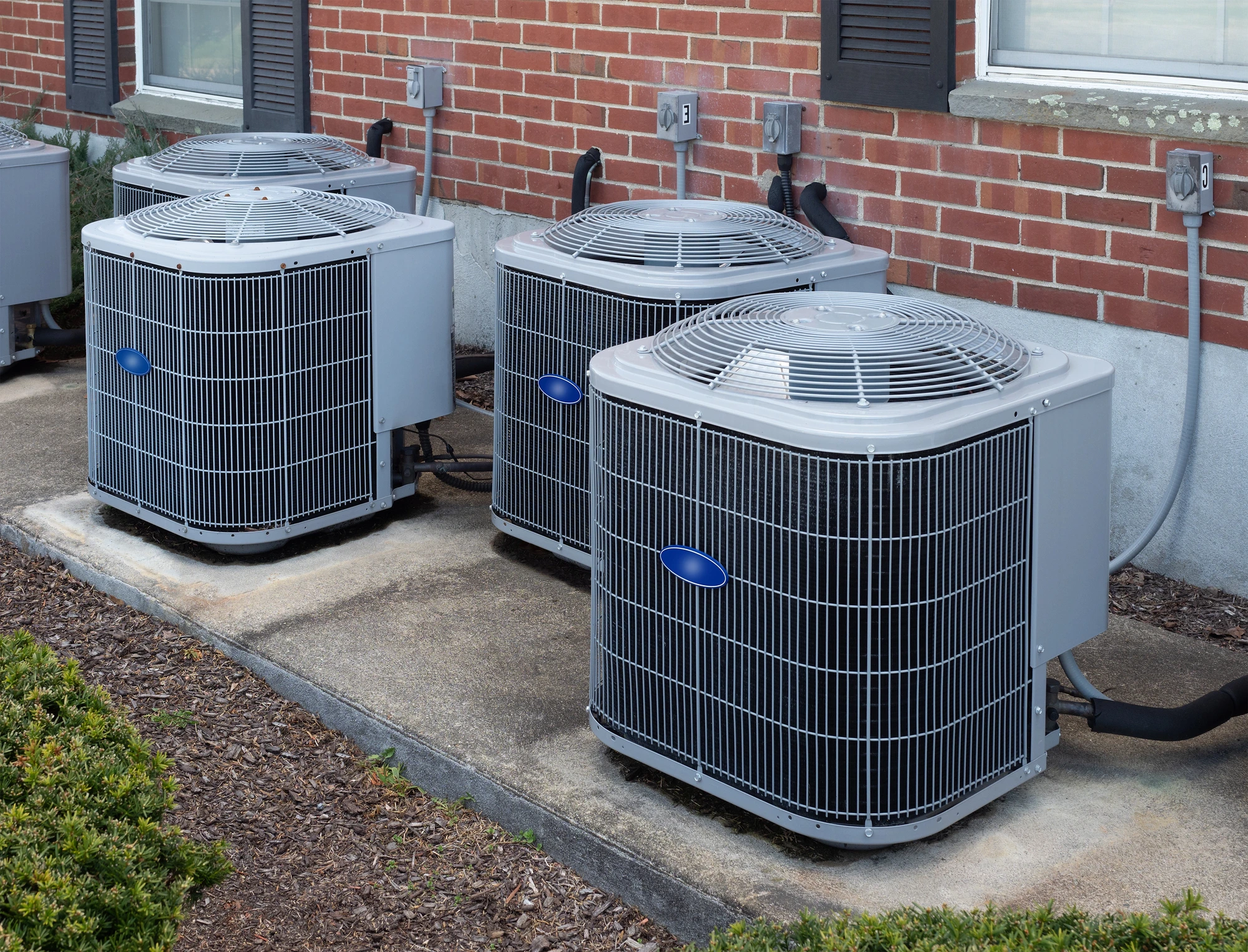
- Furnaces need capacity matched to the home's heat loss, along with a blower and ductwork that can deliver that heat evenly.
- Heat pumps provide both heating and cooling, so sizing has to balance the two during any heat pump installation. In the United States, the cooling load is often larger than the heating load, which makes that balance especially important.
- Boilers distribute heat through water or steam, so the system has to be matched to the home's heating load and to the radiators or piping it serves.
Very efficient homes add another wrinkle, since their loads can be so small that they fall below the capacity range many manufacturers offer. Homeowners planning a move to high-efficiency systems should reassess capacity instead of assuming the old number still applies.
Frequently Asked Questions
How do I know if my current system is the wrong size?
Warning signs include frequent on-and-off cycling, rooms that stay too hot or too cold, a system that runs nearly nonstop, and bills that seem high for the size of the home. These symptoms can have other causes, such as airflow or duct problems, so a professional evaluation is the only reliable way to confirm whether sizing is the issue.
Is it okay to just replace my furnace with the same size unit?
Not necessarily. The old unit may have been the wrong size from the start, or the home may have changed through added insulation, new windows, etc. A load calculation confirms what the home needs today before any equipment is chosen.
Does a bigger heating system heat my home faster?
It may warm the air faster, but that isn't the same as heating the home well. An oversized system reaches the thermostat setting quickly and shuts off before heat spreads evenly, which leads to temperature swings and extra wear.
Can a heating system be too big for a home?
Yes. Oversizing is one of the most common sizing problems, and it often results from guesswork instead of a proper calculation. Whether a specific system fits a specific home is best answered during an in-person assessment through professional HVAC services.
Get the Right Fit: Heating Replacement Near Me Starts With a Proper Sizing Assessment
At Allegiance Heating & Air, we believe a new heating system should fit your home, not just your budget. Our team can assess your home before recommending a replacement, so the system you choose delivers steady comfort, reasonable energy bills, and a long service life. Schedule your sizing assessment today and let us help you find the right fit before winter settles in.
Contact Us Or Schedule Expert Service
Other Blogs
ready to transform your home?
Discover our exceptional home services tailored to meet your needs and enhance your living space.
WHAT OUR CLIENTS HAVE TO SAY ABOUT US

We had a complete HVAC system and a hot water heater installed. The guys were professional, well mannered, and completed the work in a timely manner. Would definitely use them again.
I was nervous at first because my AC broke in the middle of 80 degree weather which is strange for April, but Allegiance Heating and Air was incredibly prompt and professional. The technician arrived within an hour, explained the problem clearly, and completed the repair. The technician , Mr. Garrett Moon was a very nice and courteous young man. He found the problem and fixed it within a timely manner. I highly recommend them for any heating or cooling needs. I’ll definitely give them a call again should I ever have another issue, but hopefully not. Knock on wood 😁. Give them a call… you won’t be disappointed!
From the moment I called to schedule a service, the team was quick to respond and arrived right on time. The technician was professional, friendly, and clearly knowledgeable about my heating system. He explained the repair options in plain language and completed the job efficiently. I appreciated the reliable service and the fact that the work was done the same day. I would definitely recommend Allegiance Heating and Air for any residential HVAC needs.
5/5 stars – I was very impressed with the efficient, affordable and timely service from Allegiance Heating and Air. The technician arrived on time, and performed the service quickly, no repairs needed at this time. Communication was clear and the whole experience felt hassle‑free. I would definitely recommend them for any residential HVAC needs.
Knowledgeable, experienced individual.
Explains Allegiance Heating and Air was incredibly reliable, professional and affordable. They arrived right on time, kept the work area clean and finished the furnace repair quickly. The technician explained everything clearly and the price was a great value. If happiness had a location on Google Maps, it would be here.
Gilbert had to go above and beyond because York is no longer making the part for my furnace. But he was able to find a way to construct a housing bracket for my furnace. Ingenuity, determination and integrity is what finally got my furnace fixed. Gilbert is truly a one of a kind technician.
Thank you for always going the extra mile. Gilbert is always respectful and helpful with any concerns.
"Great service, most knowledgeable and capable HVAC business in Kentuckiana!! Pete Flemming and Bryan the owner, are HVAC encyclopedias. They have the highest integrity of any HVAC business I have ever used. Allegiance has put numerous units in for me over the last 17 years. I will continue to use and trust them."
"Fast response from Allegiance when our heat was out on New Year’s day! Service technician was friendly and efficient. He took the time to explain the problem, tell us about the temporary fix and the plan for permanent repair. We were impressed!"
"Love Allegiance! Their technicians, in particular Benjamin, explain everything. Fast and thorough. A/C was out on a Sunday. Called Allegiance and within a few hours Benjamin arrived. Such a comfort as he was the one who last serviced our units. He quickly replaced part and cooling is restored!"
"My heat pump went out and I had to call after hours. The technician (Garrett) was outstanding and thorough. He got my system up and working until Monday and gave me several options of units. Also took the time to explain the issue to my Home warranty company. I highly recommend this company."
"Right on time :) respectful, fast, and polite. Even gave my fur babies some attention."
"Had Garrett out today to fix our AC. Fantastic tech. He showed up exactly when he said he would and kept us informed of what he was checking and what he found. Highly recommend!"
"Lucas with Allegiance showed up on time as promised, was professional and extremely patient and responsive with all my questions. He took care of the issue, and I feel he was trustworthy! He had us back to cool and comfortable on one of the hottest days of the year."
"Lucas did a great job! Very professional and expedient. Explained the process very well and represented Allegiance as a truly professional and reputable company."
"Arrived on time and work diligently to fix issue. These guy are great. Worked quickly to resolve my issues."
"Lucas was great - he spent a lot of time trying to figure out what was going on and explained everything he was doing. I trust Allegiance and wouldn’t want anyone else working on/in my house!!"

RELATED ARTICLES

The Empty House Cooling Myth: Why Turning Off Your AC During the Workday Costs You More
A Practical Guide to Repair vs Replace Old Furnace or AC
