Why Pre-Summer HVAC Inspection Tips Matter Before the Heat Hits in Greenville, IN
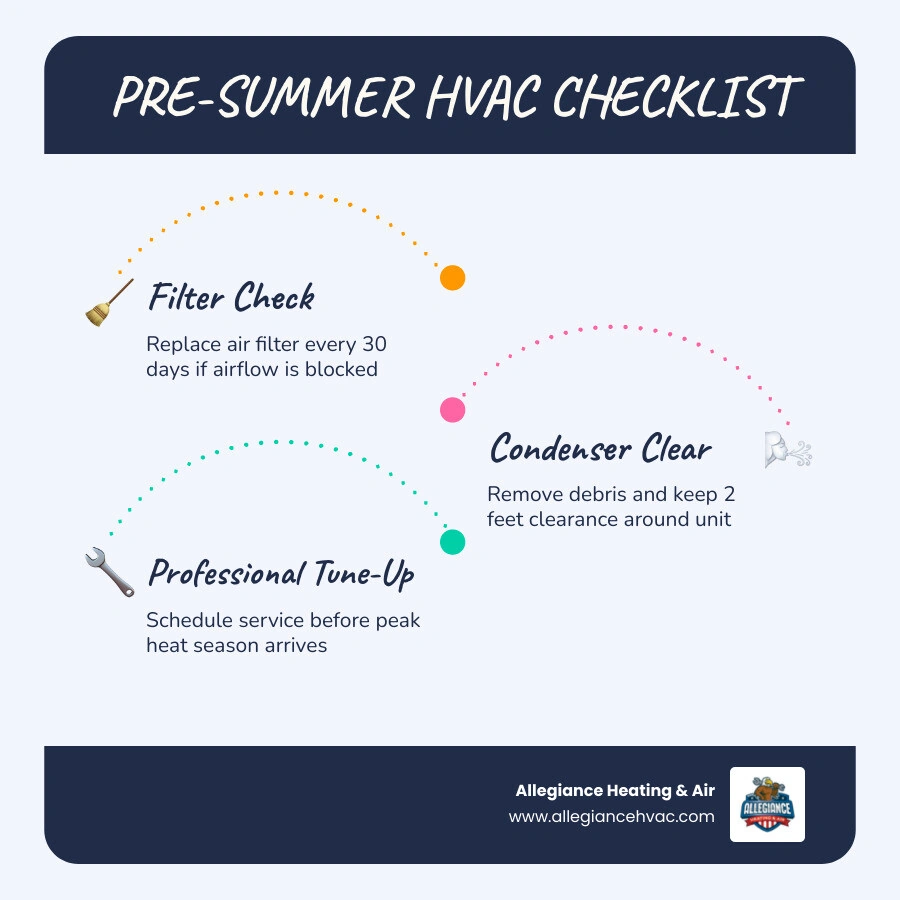
Following the right pre-summer HVAC inspection tips can mean the difference between a cool, comfortable home all season long and a sweaty, stressful breakdown on the hottest day of the year. Here is a quick overview of the most important steps before you flip that thermostat to cool:
1. Replace your air filter — Check it every 30 days during cooling season; replace if light won't pass through it
2. Clear your outdoor condenser unit — Remove debris and maintain at least 2 feet of clearance around the unit
3. Flush the condensate drain line — Pour diluted white vinegar down the drain monthly to prevent clogs and water damage
4. Test your thermostat — Switch to cooling mode and confirm your system responds within a minute or two
5. Inspect visible ductwork — Look for gaps, disconnections, or damage that could waste cooled air
6. Schedule a professional tune-up — Book before peak season to avoid long wait times and catch issues you can't see yourself
Most HVAC systems don't fail because they're old. They fail because small, preventable problems go unnoticed through the off-season. Indiana summers bring real heat and humidity, and your system needs to be ready before that first brutal stretch of 90-degree days arrives. A little attention in spring can protect your comfort, lower your utility bills, and extend the life of your equipment by years.
Essential pre summer hvac inspection tips terms:
• Find air conditioning service providers in Marysville, IN.
• I need someone to fix a refrigerant leak in my AC unit in Lanesville, IN.
Why Spring is the Best Time to Apply Pre-Summer HVAC Inspection Tips
As winter fades in southern Indiana, many homeowners simply forget about their climate control systems. It is easy to ignore your air conditioner when the spring air is mild and pleasant. However, flipping the switch from heating to cooling without any preparation is a gamble. Spring is the absolute best time for seasonal maintenance, and waiting until the peak of summer is a recipe for long waitlists and hot afternoons.
During the colder months, your outdoor condenser unit sits dormant, collecting falling leaves, twigs, dirt, and sometimes even nesting pests. Indoors, your furnace or air handler has been working overtime, which means your ductwork and air filters are likely coated in winter dust. If you wait until the first major heatwave in June 2026 to turn on your AC, any underlying issues—such as a failing capacitor, a slow refrigerant leak, or a clogged drain line—will manifest immediately under the heavy load.
By prioritizing your inspection in early spring, you beat the summer rush. Once the temperatures climb into the 80s and 90s, local HVAC technicians are fully booked with emergency repair calls. Booking your service in March, April, or early May ensures faster scheduling, flexible appointment windows, and total peace of mind. For more details on why proactive care is so critical, read about Why Spring Is the Best Time for HVAC Maintenance.
Additionally, scheduling your tune-up early yields massive financial and operational benefits. Consider these key industry statistics:
• Fewer Breakdowns: Regular seasonal tune-ups have been shown to reduce the risk of unexpected breakdowns by as much as 95%.
• Lower Utility Bills: Professional maintenance can keep your system running efficiently, lowering your monthly cooling bills by 10% to 30%.
• Extended System Lifespan: With proper care, most central air conditioners last between 12 and 15 years. However, units that receive consistent annual professional maintenance can easily push toward the 20-year mark.
To help you stay organized as the seasons transition, you can consult our handy HVAC Spring Checklist or dive deeper into a comprehensive Spring HVAC Maintenance Checklist to keep your home comfort on track.
Essential DIY Steps to Prepare Your AC for a Humid Indiana Summer
Southern Indiana is famous for its beautiful seasons, but it is also famous for thick, heavy summer humidity. High humidity makes the air feel much warmer than it actually is, forcing your air conditioner to work twice as hard. Not only does your system have to lower the indoor air temperature, but it also has to pull gallons of moisture out of the air to keep your living space comfortable.
Preparing your system for these demanding conditions requires a blend of simple DIY tasks and professional oversight. By tackling a few basic steps yourself, you ensure your system has the unrestricted airflow it needs to perform its job efficiently. For a complete look at managing local weather challenges, check out our guide on Preparing Your AC for a Humid Indiana Summer and explore practical Ways to Make Sure Your HVAC System Is Ready for Summer.

DIY Pre-Summer HVAC Inspection Tips for Your Outdoor Condenser
Your outdoor condenser unit is the unsung hero of your cooling system. Its job is to release the heat collected from inside your home out into the open air. If the unit is dirty or crowded, it cannot dump that heat efficiently, causing your system to run longer, consume more electricity, and wear out prematurely.
• Clear the Perimeter: Maintain at least a 2-foot (24-inch) clear zone all the way around your outdoor unit. Trim back shrubs, weeds, tall grass, and low-hanging tree branches. Remove any accumulated leaves, mulch, or lawn clippings that have piled up against the metal grates.
• Gently Clean the Coils: Over time, a blanket of dust, pollen, and dirt coats the metal condenser coils, acting as insulation that traps heat inside. To clean them, turn off the power to the unit at the outdoor disconnect box. Grab your garden hose and use a gentle, low-pressure spray to rinse the coils from the top down. Never use a pressure washer, as the high-pressure stream will instantly bend and damage the delicate aluminum fins.
• Inspect and Straighten Fins: The thin aluminum fins on the side of your condenser can easily get bent by stray rocks, hail, or heavy yard work. Bent fins restrict airflow through the coils, reducing your system's efficiency by up to 15%. If you notice flat spots, you can purchase a cheap tool called a "fin comb" from a local hardware store to gently brush them back into their upright positions.
Indoor Pre-Summer HVAC Inspection Tips: Air Filters and Vents
The indoor components of your HVAC system require just as much attention as the outdoor unit. Proper indoor maintenance focuses heavily on maintaining strong, clean airflow throughout your ductwork.
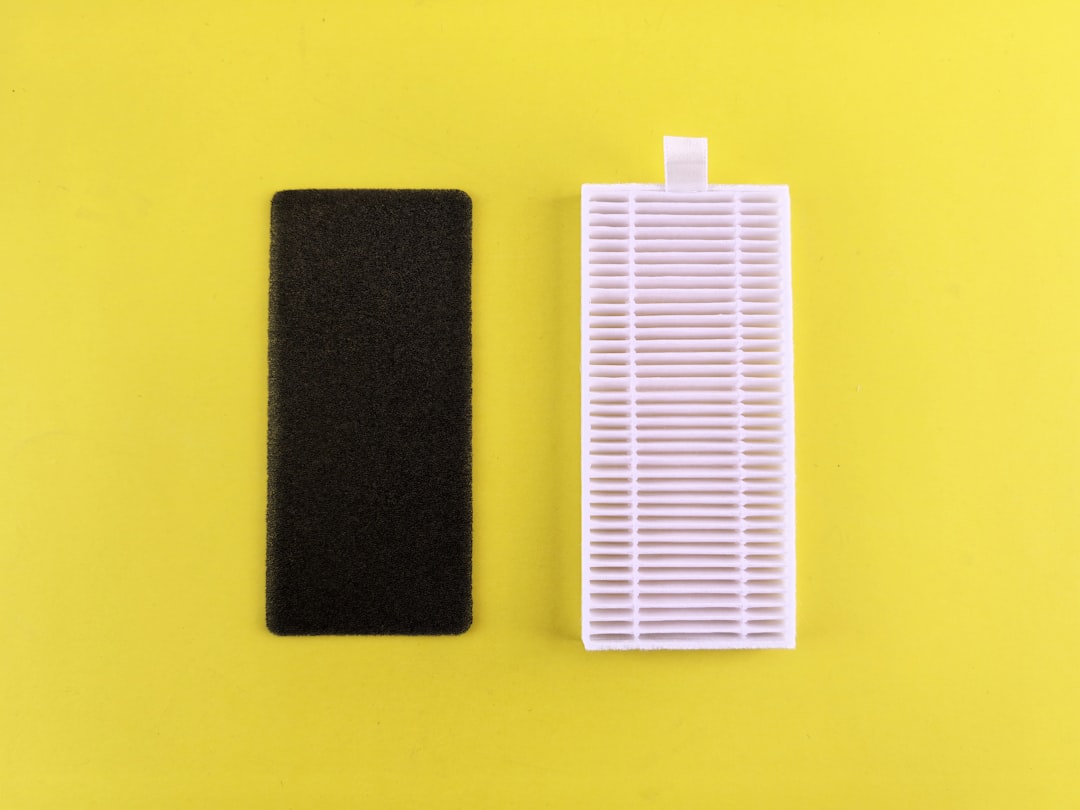
• Check and Replace Air Filters: A dirty, clogged air filter is the number one cause of AC performance issues. When airflow is restricted, your system has to work much harder to pull air through the house, which can cause the indoor evaporator coil to freeze solid. We recommend checking your filter every 30 days during the peak cooling season.
• Choose the Right MERV Rating: For standard residential systems, filters with a MERV (Minimum Efficiency Reporting Value) rating between 8 and 11 offer the perfect balance of excellent air filtration and optimal airflow. Avoid ultra-high MERV filters (like MERV 13 or higher) unless your system's blower motor is specifically rated for them, as they can restrict airflow in older systems and strain your equipment.
• Clear Vent Blockages: Walk through every room in your home and make sure all supply vents (which blow cold air in) and return grilles (which pull warm air out) are completely open and unobstructed. Ensure that furniture, heavy drapes, dog beds, and area rugs are not blocking these grates. Closing off vents in unused rooms is actually a bad idea; it disrupts the pressure balance of your system, causing leaks in your ductwork and increasing wear and tear on your blower motor.
• Examine Visible Ductwork: If you have accessible ducts in your basement, attic, or utility closet, inspect them for visible gaps, loose tape, or disconnected joints. The Department of Energy (DOE) estimates that 20% to 30% of cooled air is lost through poorly maintained or leaky duct systems before it ever reaches your living spaces. Sealing these gaps with mastic sealant or specialized foil tape can instantly boost your comfort and lower your utility bills.
Professional Maintenance: What Homeowners Can't Do Alone
While DIY cleaning and filter changes are excellent ways to keep your system happy, there are several highly technical tasks that must be left to a licensed professional. Modern air conditioners are complex machines containing high-voltage electrical circuits, sensitive electronic controls, and chemical refrigerants that require specialized training and equipment to handle safely.
During a professional pre-summer tune-up, a certified technician will perform a deep, multi-point inspection that goes far beyond the surface level. For a complete breakdown of what to expect during our visits, you can review our HVAC Maintenance Visit Complete Guide and learn What Does an HVAC Maintenance Plan Include.
Here are the critical components that our professional technicians inspect, test, and clean:
• Electrical Connections and Controls: HVAC systems experience constant vibration during operation, which can loosen electrical terminals over time. Technicians will tighten all wiring connections, measure voltage and current on motors, and test capacitors. Capacitors are the most common points of failure during summer heatwaves; testing them under load with a microfarad meter allows us to replace them before they leave you without cooling.
• Refrigerant Charge Verification: Refrigerant does not get "used up" like gasoline in a car; it circulates in a closed loop. If your system is low on refrigerant, it means there is a leak. Operating a system with incorrect refrigerant levels will destroy the compressor—the most expensive part of your AC. Certified technicians will measure system pressures and check for leaks using specialized electronic detectors.
• Evaporator Coil Cleaning: Located inside your indoor air handler, the evaporator coil gets incredibly cold to absorb heat from your indoor air. Because it is damp with condensation, it easily collects microscopic dust that passes through your filter. If this coil gets dirty, it will lose its ability to cool your home and may freeze over. Cleaning this delicate component requires professional-grade coil cleaners and careful handling to prevent water damage.
• Condensate Drain Line Clearing: As your AC dehumidifies the air, it produces gallons of water every day. This water collects in a drain pan and flows outside through a narrow PVC condensate line. Algae, mold, and dust can easily clog this line, causing water to back up and overflow into your home, leading to thousands of dollars in water damage. Technicians will flush the line, clear blockages, and test safety overflow switches.
To help you understand the boundary between homeowner tasks and professional care, here is a quick comparison table:
• Air Filter Replacement — DIY (Homeowner): Yes — Professional Technician: Yes — Why It Matters: Keeps airflow strong and prevents coil freeze-ups.
• Clearing Outdoor Debris — DIY (Homeowner): Yes — Professional Technician: Yes — Why It Matters: Ensures the condenser can vent heat into the outdoor air.
• Thermostat Testing — DIY (Homeowner): Yes — Professional Technician: Yes — Why It Matters: Verifies that the system cycles on and off at the correct temperatures.
• Electrical Terminal Tightening — DIY (Homeowner): No — Professional Technician: Yes — Why It Matters: Prevents short circuits, part damage, and potential electrical fires.
• Refrigerant Level Testing — DIY (Homeowner): No — Professional Technician: Yes — Why It Matters: Protects the compressor and ensures maximum cooling capacity.
• Deep Evaporator Coil Cleaning — DIY (Homeowner): No — Professional Technician: Yes — Why It Matters: Prevents mold growth and maintains efficient heat absorption.
• Clearing Severe Drain Clogs — DIY (Homeowner): No — Professional Technician: Yes — Why It Matters: Prevents water backup, mold, and structural water damage.
Frequently Asked Questions about Summer AC Prep
How often should I replace my air filter during the 2026 cooling season?
During the heavy cooling months of the 2026 season, you should check your air filter every 30 days. If you have a standard 1-inch pleated filter, it will typically need to be replaced every 30 to 60 days. However, homes with indoor pets, residents who suffer from seasonal allergies, or properties in dustier areas may require a fresh filter every single month.
Replacing your filter regularly is the easiest way to prevent airflow restriction, protect your indoor air quality, and keep pet dander and pollen from recirculating through your home. If you use thicker, 4-inch media filters, they can typically go 60 to 90 days before needing a replacement, but they should still be visually inspected regularly.
What are the top signs my HVAC system needs immediate professional service?
You shouldn't wait for your system to completely shut down before calling for help. Often, an air conditioner will give you several warning signs that it is struggling. Catching these signs early can save you from a complete system failure. For a deeper look at these indicators, read our article on the Top Signs HVAC System Needs Service.
Keep an eye out for these common warning signs:
• Blowing Warm Air: If your vents are blowing room-temperature or warm air even when the thermostat is set to "cool," your compressor may be failing or you may have a refrigerant leak.
• Unusual Noises: Squealing, grinding, clanking, or loud rattling noises during startup or operation indicate loose belts, failing motor bearings, or loose internal components.
• Ice on Refrigerant Lines: If you see ice forming on the brass valves of your outdoor unit or on the copper lines leading indoors, your system is running too cold—usually due to a severe airflow blockage or low refrigerant. Turn the system off immediately and call a professional to prevent compressor damage.
• Frequent Short Cycling: If your AC turns on, runs for two minutes, and shuts back off repeatedly, it is short cycling. This puts immense strain on your starter components and compressor.
• Water Leaking Indoors: Standing water around your indoor unit or water dripping from your ceiling indicates a clogged condensate drain line or an overflowing drain pan.
When should I consider HVAC system replacement versus repair?
Deciding whether to keep repairing an old air conditioner or replace it entirely is a common dilemma. While regular maintenance can push a well-cared-for system toward a 20-year lifespan, older units eventually lose their efficiency and become unreliable. You can learn more about maximizing your system's life in our guide on How a Maintenance Plan Extends Equipment Life.
Consider replacement if your system meets these criteria:
• The "Rule of $5,000": Multiply the cost of a necessary repair by the age of your system in years. If the total exceeds $5,000, investing that money into a new, energy-efficient system is usually the smarter financial decision.
• System Age: If your central AC is more than 15 years old, it uses older, less efficient technology and likely runs on R-22 refrigerant, which is phased out and incredibly expensive to service.
• Frequent Breakdowns: If you find yourself calling for repairs multiple times a summer, those costs quickly add up to the price of a down payment on a new system.
• Skyrocketing Utility Bills: Modern air conditioners are significantly more efficient than those built a decade ago. Upgrading to a modern system can slash your summer cooling bills by 20% to 40%.
Conclusion
Taking care of your air conditioner before the sweltering Southern Indiana summer arrives is the best investment you can make for your home's comfort, safety, and energy efficiency. By combining simple DIY tasks like replacing your air filters and clearing away outdoor debris with a thorough professional tune-up, you can rest easy knowing your system is fully prepared to handle whatever heatwave the 2026 season throws our way.
At Allegiance Heating & Air, LLC, we have been proudly serving Greenville, IN, and surrounding communities since 2005. As a family-owned and operated business, we are dedicated to providing honest, transparent, and highly professional service to all our neighbors. Our core philosophy is simple: we believe in "Taking Home Comfort Under Our Wing," ensuring that your family enjoys reliable, year-round comfort without any stress.
Protect your system, prevent unexpected breakdowns, and keep your utility bills low by signing up for our comprehensive Maintenance Plan today. Ready to get your system ready for the summer heat? Schedule your professional air conditioning service today and let our experienced, licensed technicians take care of the rest!
Contact Us Or Schedule Expert Service
Other Blogs
ready to transform your home?
Discover our exceptional home services tailored to meet your needs and enhance your living space.
WHAT OUR CLIENTS HAVE TO SAY ABOUT US

We had a complete HVAC system and a hot water heater installed. The guys were professional, well mannered, and completed the work in a timely manner. Would definitely use them again.
I was nervous at first because my AC broke in the middle of 80 degree weather which is strange for April, but Allegiance Heating and Air was incredibly prompt and professional. The technician arrived within an hour, explained the problem clearly, and completed the repair. The technician , Mr. Garrett Moon was a very nice and courteous young man. He found the problem and fixed it within a timely manner. I highly recommend them for any heating or cooling needs. I’ll definitely give them a call again should I ever have another issue, but hopefully not. Knock on wood 😁. Give them a call… you won’t be disappointed!
From the moment I called to schedule a service, the team was quick to respond and arrived right on time. The technician was professional, friendly, and clearly knowledgeable about my heating system. He explained the repair options in plain language and completed the job efficiently. I appreciated the reliable service and the fact that the work was done the same day. I would definitely recommend Allegiance Heating and Air for any residential HVAC needs.
5/5 stars – I was very impressed with the efficient, affordable and timely service from Allegiance Heating and Air. The technician arrived on time, and performed the service quickly, no repairs needed at this time. Communication was clear and the whole experience felt hassle‑free. I would definitely recommend them for any residential HVAC needs.
Knowledgeable, experienced individual.
Explains Allegiance Heating and Air was incredibly reliable, professional and affordable. They arrived right on time, kept the work area clean and finished the furnace repair quickly. The technician explained everything clearly and the price was a great value. If happiness had a location on Google Maps, it would be here.
Gilbert had to go above and beyond because York is no longer making the part for my furnace. But he was able to find a way to construct a housing bracket for my furnace. Ingenuity, determination and integrity is what finally got my furnace fixed. Gilbert is truly a one of a kind technician.
Thank you for always going the extra mile. Gilbert is always respectful and helpful with any concerns.
"Great service, most knowledgeable and capable HVAC business in Kentuckiana!! Pete Flemming and Bryan the owner, are HVAC encyclopedias. They have the highest integrity of any HVAC business I have ever used. Allegiance has put numerous units in for me over the last 17 years. I will continue to use and trust them."
"Fast response from Allegiance when our heat was out on New Year’s day! Service technician was friendly and efficient. He took the time to explain the problem, tell us about the temporary fix and the plan for permanent repair. We were impressed!"
"Love Allegiance! Their technicians, in particular Benjamin, explain everything. Fast and thorough. A/C was out on a Sunday. Called Allegiance and within a few hours Benjamin arrived. Such a comfort as he was the one who last serviced our units. He quickly replaced part and cooling is restored!"
"My heat pump went out and I had to call after hours. The technician (Garrett) was outstanding and thorough. He got my system up and working until Monday and gave me several options of units. Also took the time to explain the issue to my Home warranty company. I highly recommend this company."
"Right on time :) respectful, fast, and polite. Even gave my fur babies some attention."
"Had Garrett out today to fix our AC. Fantastic tech. He showed up exactly when he said he would and kept us informed of what he was checking and what he found. Highly recommend!"
"Lucas with Allegiance showed up on time as promised, was professional and extremely patient and responsive with all my questions. He took care of the issue, and I feel he was trustworthy! He had us back to cool and comfortable on one of the hottest days of the year."
"Lucas did a great job! Very professional and expedient. Explained the process very well and represented Allegiance as a truly professional and reputable company."
"Arrived on time and work diligently to fix issue. These guy are great. Worked quickly to resolve my issues."
"Lucas was great - he spent a lot of time trying to figure out what was going on and explained everything he was doing. I trust Allegiance and wouldn’t want anyone else working on/in my house!!"

RELATED ARTICLES
10 HVAC Maintenance Tips Every Homeowner Should Know
No Waiting: Get Your Furnace Fixed Today in New Albany