Why Your Summer Energy Bills Are Higher Than They Need to Be
If you're looking for smart ways to cool your home without high bills, here's the short answer:
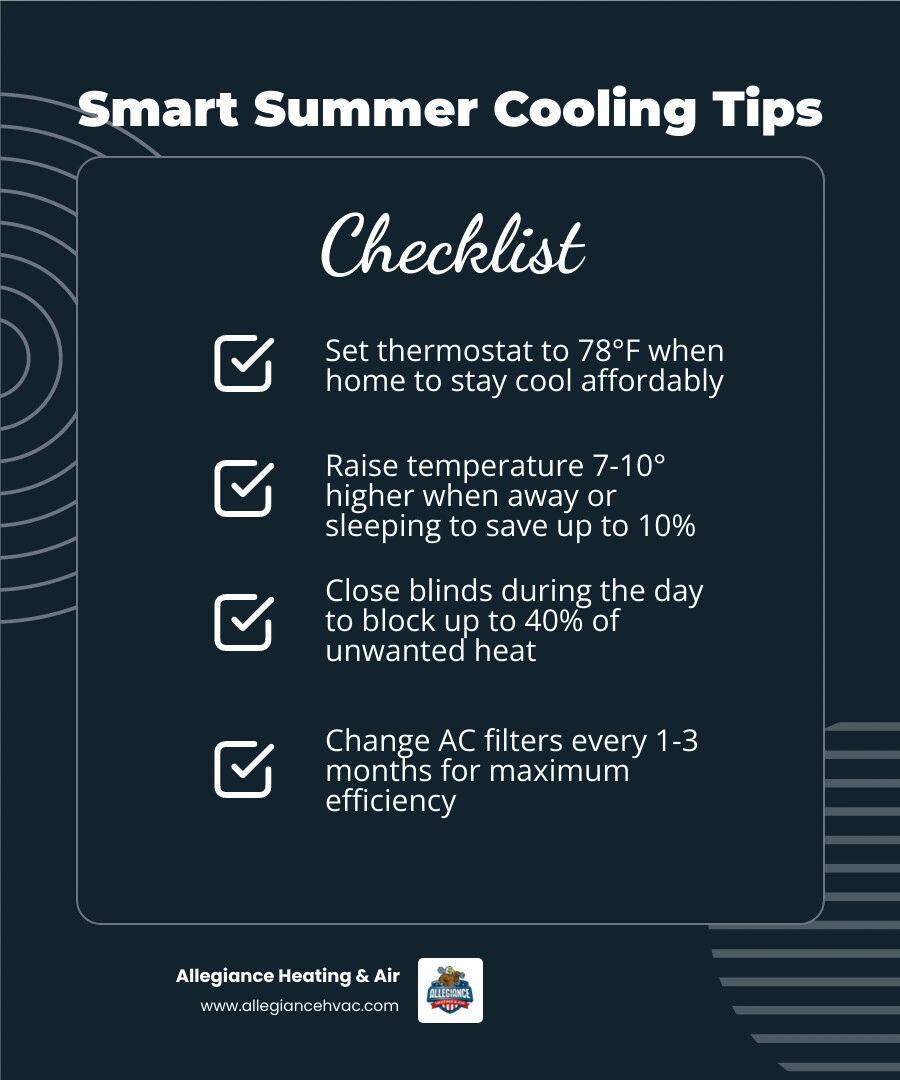
- Raise your thermostat to 78°F when home and use ceiling fans to feel just as comfortable
- Set your thermostat 7-10 degrees higher when away or sleeping to cut cooling costs up to 10% a year
- Close blinds during the day to block up to 40% of unwanted heat from entering through windows
- Seal gaps around windows and doors to stop cool air from escaping
- Change your AC filter every 1-3 months to keep your system running efficiently
- Shift heat-producing chores like laundry and cooking to cooler evening hours
- Use a smart thermostat with geofencing so your AC only runs when it needs to
Here's the reality: heating and cooling account for about 50% of a home's energy bills. In the summer, air conditioning alone makes up around 13% of a typical household's total energy costs. For homeowners in Greenville, IN, where humid Indiana summers push AC systems to work overtime, those numbers can climb even higher.
The good news? Most of the biggest savings don't require expensive equipment. A combination of small behavioral changes, low-cost upgrades, and smarter use of the cooling system you already have can make a real dent in your monthly bills — without sacrificing comfort on the hottest days of the year.
This guide covers everything from thermostat settings and passive cooling strategies to maintenance tips and heat wave preparation, so you can stay cool and keep more money in your pocket all summer long.
Smart Ways to Cool Your Home Without High Bills Using Thermostat Automation
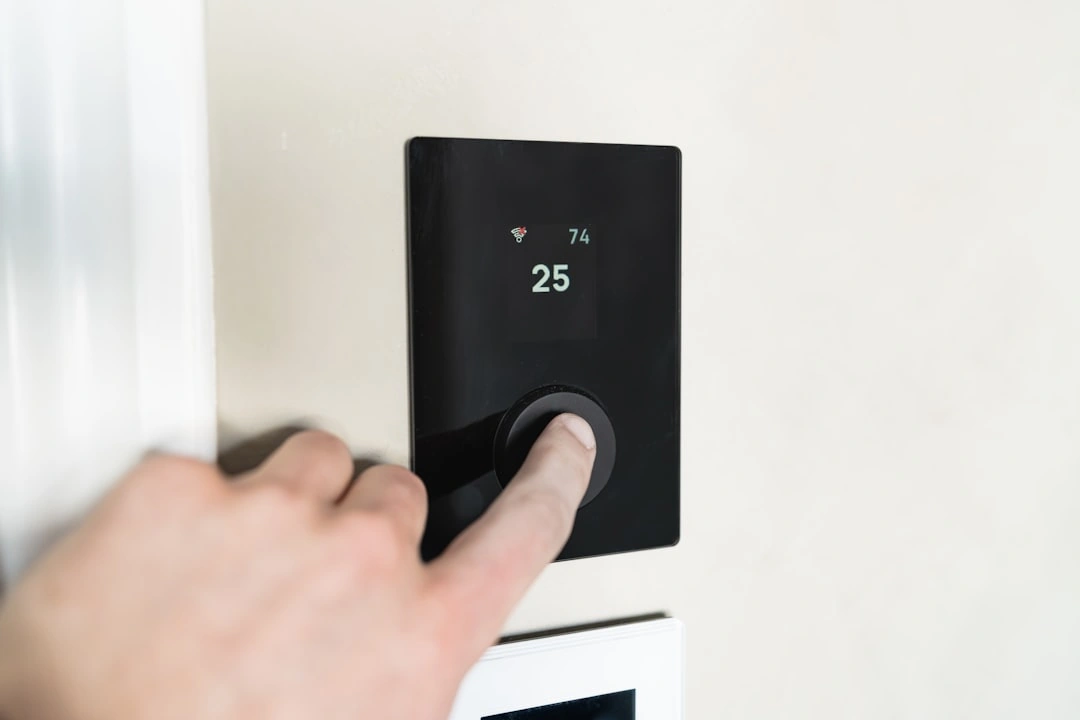
Many of us treat our thermostats like a manual dial, cranking it down to 68°F the second we feel a warm breeze. However, this is one of the quickest ways to send your utility bills skyrocketing. The compressor has to work incredibly hard to reach and maintain those low temperatures, especially when the Indiana humidity is thick.
By taking a smarter, more automated approach to your thermostat, you can keep your home comfortable while keeping your energy bills in check. To understand how your cooling system works as a whole, check out our comprehensive Air Conditioning Guide.
Balancing Comfort and Savings: The Ideal Summer Thermostat Settings
Finding the sweet spot between staying comfortable and saving money is easier than you think. Energy Star and the Department of Energy recommend setting your thermostat to 78°F (25.5°C) when you are at home and awake.
While 78°F might sound a bit warm at first, pairing this temperature with a ceiling fan can make the room feel up to 4 degrees cooler due to the wind chill effect.
Every degree matters when it comes to your wallet:
- Bumping up your thermostat by just 1 degree Fahrenheit yields about a 3% savings in cooling costs.
- Raising your thermostat by only two degrees and using a ceiling fan can lower your overall air conditioning costs by up to 14% over the summer.
- Adjusting your thermostat by 7 to 10 degrees Fahrenheit for eight hours a day (such as when you are at work) can save you up to 10% a year on heating and cooling costs.
How Smart Thermostats Offer Smart Ways to Cool Your Home Without High Bills
If you hate the mental chore of constantly adjusting your thermostat, a smart thermostat is your best friend. In fact, ENERGY STAR certified smart thermostats save homeowners an average of about 8% (or roughly $50) off cooling and heating costs annually.
These devices offer several advanced features that make saving money effortless:
- Geofencing: By tracking your smartphone's location, a smart thermostat knows when the last person has left our Greenville, IN service area. It automatically raises the temperature by 4°F to 7°F while you're away, then lowers it back to your comfort zone as you drive home.
- Temperature and Humidity Sensors: Placing remote sensors in bedrooms or home offices ensures the system cools the rooms you actually use, rather than relying on a single reading from a thermostat placed in a drafty hallway or on a hot wall.
- Pre-Cooling Schedules: Instead of running your AC all afternoon while the house is empty, you can schedule a smart thermostat to pre-cool your living space just 30 minutes before you arrive home.
Managing AC Settings When Away vs. Sleeping
One of the most common debates is whether you should turn your AC completely off when you leave for work. In dry climates, this can work. However, in humid regions like Southern Indiana, turning the AC completely off is a major mistake. Without the AC running to pull moisture out of the air, indoor humidity will spike, creating a breeding ground for mold and mildew.
Instead, use an "Away Mode" that sets the thermostat 7 to 10 degrees higher than your usual setting.
When it comes to bedtime, your body naturally cools down as you sleep. Create a bedtime routine on your smart thermostat that lowers the temperature slightly (experts suggest around 72°F to 75°F for optimal sleep) but schedules the temperature to rise again just before your alarm goes off. This minimizes compressor runtime during the coolest hours of the night.
Passive Cooling Strategies to Lower Indoor Temperatures
Before you rely solely on your air conditioner, you can use passive cooling strategies to keep outdoor heat from penetrating your home. By reducing the overall heat load on your house, your AC won't have to run as frequently, which naturally lowers your bills. For specialized tips on dealing with heavy moisture, read our guide on How to Keep Your Home Cool During Humid Summers.
Maximizing Airflow with Ceiling Fans and Ventilation
Ceiling fans are incredibly energy-efficient, using only a fraction of the electricity of a central AC system. However, they must be used correctly:
- Set the Rotation Counter-Clockwise: In the summer, your ceiling fans should spin counter-clockwise. This pushes air straight down, creating a cool, refreshing breeze.
- Remember: Fans Cool People, Not Rooms: Fans do not actually lower the temperature of the air; they cool your skin through the wind chill effect. Always turn off ceiling fans when you leave a room to avoid wasting electricity.
- Utilize Night-Flush Ventilation: If you live in an area where the temperature drops significantly at night, open your windows to create a natural cross-breeze. Run exhaust fans in the kitchen and bathroom to help pull the warm indoor air out, then close the windows early in the morning before the sun starts to heat things up.
Blocking Solar Heat Gain with Window Coverings and Shading
Did you know that roughly 40% of unwanted heat enters your home through your windows? Direct sunlight acts like a giant radiator inside your living room.
- Close Your Blinds and Curtains: Keep window coverings closed on the east-facing windows in the morning and west-facing windows in the afternoon. Using drapes with light-colored linings or vertical blinds is highly effective at reflecting solar radiation away from your home.
- Install Exterior Shading: Planting shade trees, installing awnings, or using trellises on the south and west sides of your home can block sunlight before it ever touches your glass.
- Apply Window Films: Low-cost, reflective window films can be applied directly to the inside of your window panes to block UV rays and solar heat gain without ruining your view.
Low-Cost DIY Upgrades: Weather-Stripping and Smart Lighting
A few quick weekend projects can lead to big summer savings:
- Apply Weather-Stripping: Feel around your doors and windows for drafts. Sealing these gaps with inexpensive foam spray or weather-stripping keeps your precious cool air inside and prevents hot, humid air from leaking in.
- Switch to LED Smart Lights: Standard incandescent light bulbs are incredibly inefficient, releasing 90% of their energy as heat. Swapping them out for ENERGY STAR certified LEDs or smart lights keeps your rooms cooler and lowers your lighting energy consumption.
Optimizing HVAC Efficiency and System Maintenance
Even the smartest cooling habits won't save you money if your air conditioner is struggling to breathe. Regular maintenance keeps your system running at peak efficiency, prevents unexpected breakdowns, and extends the lifespan of your unit. To keep your system in top shape, check out our Air Conditioner Maintenance Guide.
Essential Maintenance Steps for Peak AC Performance
To keep your system running smoothly, follow these straightforward steps:
- Change Your Filter Regularly: A dirty, clogged filter restricts airflow, forcing your system to work twice as hard. We recommend checking your filter once a month during heavy summer use and replacing it at least every 3 months.
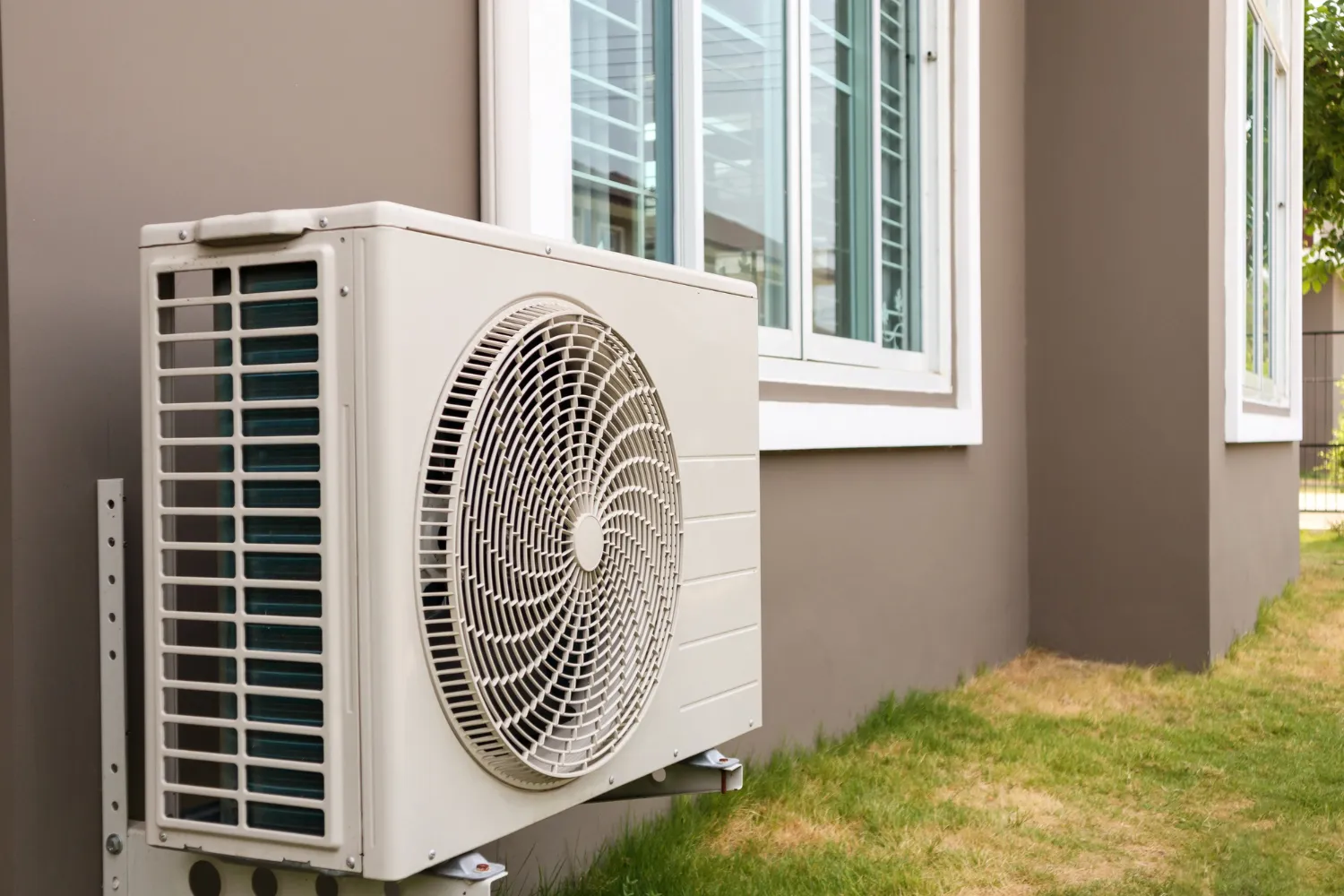
- Keep the Outdoor Unit Clear: Ensure your outdoor condenser unit is free of grass clippings, weeds, leaves, and debris. It needs plenty of space around it to release the heat it pulled from inside your home.
- Know When to Defrost: If you notice ice forming on your indoor or outdoor unit, your system is likely frozen (often caused by restricted airflow or low refrigerant). Turn the unit off immediately and allow it to defrost for 4 to 6 hours before calling a professional.
- Schedule an Annual Tune-Up: A professional technician can check refrigerant levels, clean the coils, and tighten electrical connections. For more details on what this entails, see our guide on Air Conditioner Maintenance and Replacement.
Sealing and Insulating Ductwork for Maximum Efficiency
Your ductwork is the highway system that delivers cool air to your rooms. However, if your ducts are leaky or uninsulated, a massive amount of that cool air will escape before it ever reaches your living spaces.
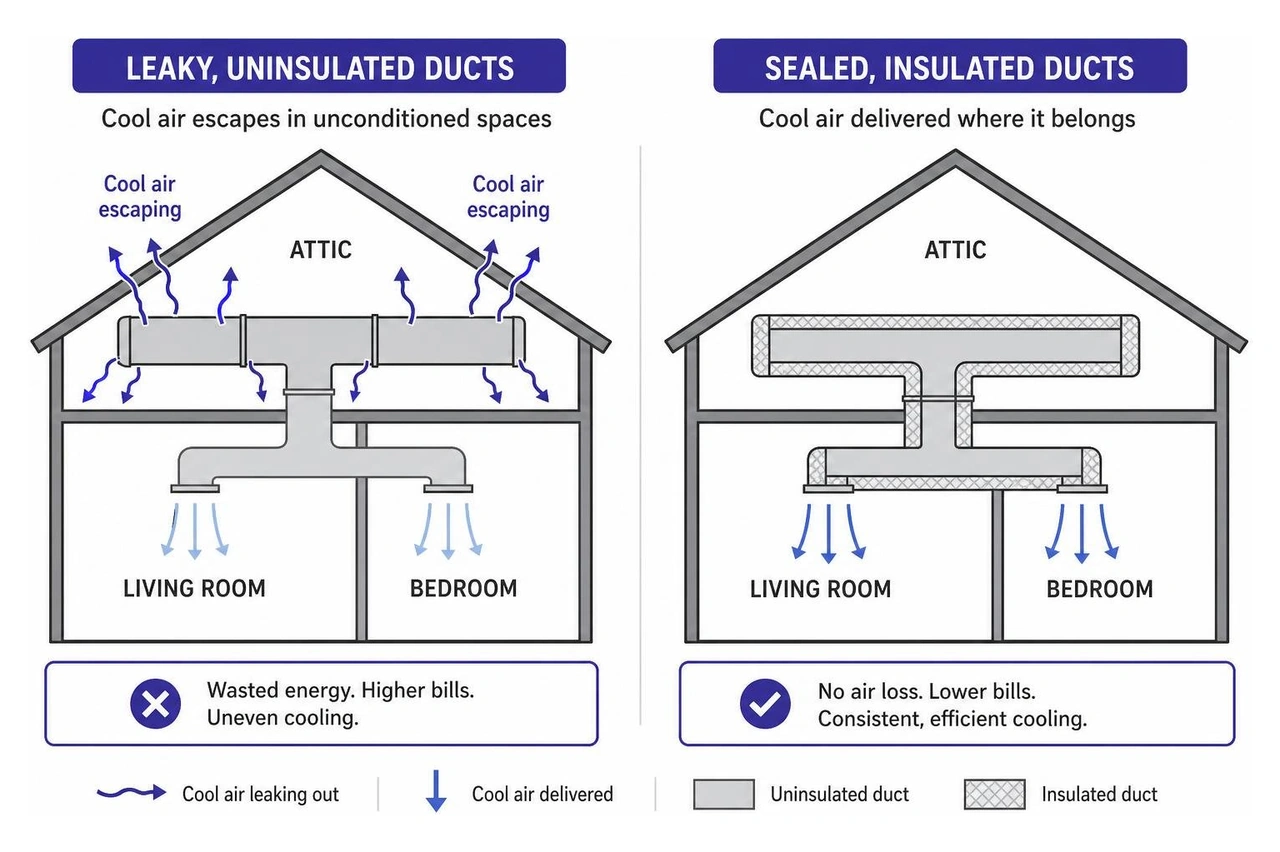
Sealing and insulating your ducts can improve the efficiency of your heating and cooling system by as much as 20%. Focus your efforts on sealing ducts that run through unconditioned spaces like attics, crawlspaces, and garages. Use duct mastic or metal tape (never standard duct tape, which degrades quickly) to seal the joints, and wrap the ducts in proper insulation.
Upgrading to High-Efficiency Equipment
If your air conditioner is more than 10 to 15 years old, it may be time to consider an upgrade. Replacing old, inefficient equipment with ENERGY STAR certified systems can cut your annual energy bills by nearly $140.
When shopping for a new system, it helps to understand your options:
- Read our Standard Efficiency vs High Efficiency HVAC Comparison to see how modern systems save you money over time.
- Learn about SEER ratings by exploring our High SEER vs Standard SEER AC Comparison to find the right balance for your budget.
- Consider a heat pump, which can both heat and cool your home with incredible efficiency.
Managing Humidity and Climate Differences
Temperature is only half the battle when it comes to summer comfort. Relative humidity plays a massive role in how hot the air actually feels. When humidity is high, your sweat cannot evaporate efficiently, making 78°F feel more like 85°F. If you are struggling with muggy indoor air, read about High Humidity Inside House Even With AC Running.
Humid vs. Dry Climate Cooling Strategies
| Cooling Strategy | Humid Climates (e.g., Southern Indiana) | Dry Climates (e.g., Southwest US) |
|---|---|---|
| Thermostat Strategy | Keep AC on setback mode; never turn completely off to prevent mold. | Can turn AC off during the day; open windows at night. |
| Ventilation | Avoid opening windows on humid nights; rely on dehumidification. | Use night-flush ventilation to cool the home naturally. |
| Ceiling Fans | Essential to create a wind-chill effect on sticky skin. | Helpful, but less critical than in high-humidity areas. |
| Primary Comfort Tool | AC or dedicated whole-home dehumidifier. | Evaporative coolers (swamp fans) or standard AC. |
Smart Ways to Cool Your Home Without High Bills Through Humidity Control
In humid climates, controlling moisture is key to lowering your energy bills. When your home's humidity is kept within the ideal range, you can set your thermostat several degrees higher and still feel perfectly comfortable.
To manage indoor moisture effectively, check out these helpful resources:
- Learn the basics of moisture management with our Humidity Control Tips for Homeowners.
- Understand the health and structural benefits of dry air in Proper Humidity Control Importance.
- Find out how to use your existing cooling system to dry out your home in How to Control Indoor Humidity With Your HVAC.
- Discover the target moisture levels for your living space in our guide to the Best Humidity Levels for Your Home.
Climate-Specific Cooling Strategies
Indiana summers are notoriously muggy, which means local homeowners face unique challenges. Because our air is so saturated with water, your AC has to spend a lot of energy performing "latent cooling" (removing moisture) before it can effectively lower the air temperature. Preparing your system for these conditions is essential. Learn how to get your system ready by reading our guide on Preparing Your AC for a Humid Indiana Summer.
Smart Appliance Habits and Room-by-Room Energy Tracking
Your air conditioner isn't the only thing drawing power and generating heat in your home. Large appliances, electronics, and even your cooking habits can create a significant thermal load that your AC has to work to remove.
Shifting Heat-Producing Chores to Off-Peak Hours
Running your dryer, dishwasher, or oven during the hottest parts of the day is a double-whammy: it heats up your home, and it forces your AC to compete with those appliances during peak utility rate hours.
- Cook Outdoors: Fire up the backyard grill or prepare no-cook meals like salads and wraps instead of turning on the oven.
- Delay Chores: Run your dishwasher and washing machine late at night or early in the morning when outdoor temperatures are cooler.
- Air Dry Clothes: Hang your laundry on a clothesline outside. Not only does this keep dryer heat out of your house, but the natural sunlight will leave your clothes smelling incredibly fresh.
Tracking Per-Room Energy Use to Spot Energy Hogs
Not all rooms heat up equally. Rooms with large, west-facing windows or those containing heavy electronics (like gaming PCs or home servers) will naturally be warmer.
- Use smart home sensors to monitor temperature differences across your home.
- Keep doors closed to unused rooms (like guest bedrooms) to avoid wasting energy cooling empty spaces.
- Unplug standby electronics—like chargers, game consoles, and coffee makers—when not in use. These devices draw "vampire power" and emit background heat even when turned off.
Making Window and Portable AC Units Smarter
If you live in an apartment or have a room that central AC doesn't reach well (like an attic bedroom), you might rely on window or portable AC units. While these units are generally less efficient than central air, you can make them smarter:
- Use an IR Bridge: Devices like Sensibo or Cielo Breez can learn your window unit's remote control codes, allowing you to add schedules, geofencing, and smart automation to a basic window AC.
- Avoid Smart Plugs for Heavy Loads: Be careful using standard smart plugs to turn window AC units on and off. Most consumer smart plugs cannot handle the high startup electrical draw of an AC compressor, which can damage both the plug and your cooling unit.
Preparing for Heat Waves and Grid Strain
When extreme heat waves roll through Southern Indiana, power grids face immense strain, and the risk of power outages increases. Preparing ahead of time keeps your family safe while keeping your bills manageable.
- Pre-Cool Your Home: If a severe heat wave is forecasted, pre-cool your home by dropping the thermostat a few degrees in the early morning hours when the power grid is under less stress. Once peak afternoon hours arrive, raise your thermostat to 78°F or higher to reduce grid strain.
- Avoid EV Charging During Peak Hours: If you drive an electric vehicle, set its charging schedule to start after 10:00 PM to help prevent local grid overloads.
- Stay Hydrated: Drink plenty of water throughout the day. If indoor temperatures become unsafe and your AC cannot keep up, do not rely solely on fans if room temperatures exceed 90°F, as they can accelerate dehydration. Utilize local cooling centers or public air-conditioned spaces like libraries and malls to stay safe.
Frequently Asked Questions about Summer Cooling
What is the most efficient temperature to set my AC in the summer?
For the best balance of comfort and energy savings, Energy Star recommends setting your thermostat to 78°F (25.5°C) when you are home and awake. You can save up to 10% a year on cooling by raising this setting by 7 to 10 degrees when you are away from home or sleeping.
Do ceiling fans actually cool the room?
No. Ceiling fans cool people, not rooms. They circulate air to create a wind chill effect on your skin, making the room feel up to 4 degrees cooler. Because they do not actually lower the air temperature, always turn fans off when leaving a room to save electricity.
How often should I change my AC filter during the summer?
During peak summer use, you should check your air filter once a month. If it looks dirty or clogged, replace it immediately. At a minimum, change your filter every 3 months to maintain system efficiency and indoor air quality.
Conclusion
Keeping your home comfortable during hot Indiana summers doesn't have to mean dreading your monthly utility bills. By combining smart thermostat automation, passive cooling techniques, and consistent system maintenance, you can enjoy a cool, relaxing home while keeping your energy costs remarkably low.
At Allegiance Heating & Air, LLC, we are proud to be a family-owned business serving Greenville, IN and surrounding Southern Indiana communities since 2005. Our licensed and experienced technicians are dedicated to "Taking Home Comfort Under Our Wing" with honest, reliable, and customer-focused service.
Whether you need a seasonal AC tune-up, a smart thermostat installation, or a high-efficiency system upgrade, we are here to help you stay comfortable all year round.
Schedule professional AC services with Allegiance Heating & Air today to ensure your cooling system is running at peak efficiency!
Contact Us Or Schedule Expert Service
Other Blogs
ready to transform your home?
Discover our exceptional home services tailored to meet your needs and enhance your living space.
WHAT OUR CLIENTS HAVE TO SAY ABOUT US

We had a complete HVAC system and a hot water heater installed. The guys were professional, well mannered, and completed the work in a timely manner. Would definitely use them again.
I was nervous at first because my AC broke in the middle of 80 degree weather which is strange for April, but Allegiance Heating and Air was incredibly prompt and professional. The technician arrived within an hour, explained the problem clearly, and completed the repair. The technician , Mr. Garrett Moon was a very nice and courteous young man. He found the problem and fixed it within a timely manner. I highly recommend them for any heating or cooling needs. I’ll definitely give them a call again should I ever have another issue, but hopefully not. Knock on wood 😁. Give them a call… you won’t be disappointed!
From the moment I called to schedule a service, the team was quick to respond and arrived right on time. The technician was professional, friendly, and clearly knowledgeable about my heating system. He explained the repair options in plain language and completed the job efficiently. I appreciated the reliable service and the fact that the work was done the same day. I would definitely recommend Allegiance Heating and Air for any residential HVAC needs.
5/5 stars – I was very impressed with the efficient, affordable and timely service from Allegiance Heating and Air. The technician arrived on time, and performed the service quickly, no repairs needed at this time. Communication was clear and the whole experience felt hassle‑free. I would definitely recommend them for any residential HVAC needs.
Knowledgeable, experienced individual.
Explains Allegiance Heating and Air was incredibly reliable, professional and affordable. They arrived right on time, kept the work area clean and finished the furnace repair quickly. The technician explained everything clearly and the price was a great value. If happiness had a location on Google Maps, it would be here.
Gilbert had to go above and beyond because York is no longer making the part for my furnace. But he was able to find a way to construct a housing bracket for my furnace. Ingenuity, determination and integrity is what finally got my furnace fixed. Gilbert is truly a one of a kind technician.
Thank you for always going the extra mile. Gilbert is always respectful and helpful with any concerns.
"Great service, most knowledgeable and capable HVAC business in Kentuckiana!! Pete Flemming and Bryan the owner, are HVAC encyclopedias. They have the highest integrity of any HVAC business I have ever used. Allegiance has put numerous units in for me over the last 17 years. I will continue to use and trust them."
"Fast response from Allegiance when our heat was out on New Year’s day! Service technician was friendly and efficient. He took the time to explain the problem, tell us about the temporary fix and the plan for permanent repair. We were impressed!"
"Love Allegiance! Their technicians, in particular Benjamin, explain everything. Fast and thorough. A/C was out on a Sunday. Called Allegiance and within a few hours Benjamin arrived. Such a comfort as he was the one who last serviced our units. He quickly replaced part and cooling is restored!"
"My heat pump went out and I had to call after hours. The technician (Garrett) was outstanding and thorough. He got my system up and working until Monday and gave me several options of units. Also took the time to explain the issue to my Home warranty company. I highly recommend this company."
"Right on time :) respectful, fast, and polite. Even gave my fur babies some attention."
"Had Garrett out today to fix our AC. Fantastic tech. He showed up exactly when he said he would and kept us informed of what he was checking and what he found. Highly recommend!"
"Lucas with Allegiance showed up on time as promised, was professional and extremely patient and responsive with all my questions. He took care of the issue, and I feel he was trustworthy! He had us back to cool and comfortable on one of the hottest days of the year."
"Lucas did a great job! Very professional and expedient. Explained the process very well and represented Allegiance as a truly professional and reputable company."
"Arrived on time and work diligently to fix issue. These guy are great. Worked quickly to resolve my issues."
"Lucas was great - he spent a lot of time trying to figure out what was going on and explained everything he was doing. I trust Allegiance and wouldn’t want anyone else working on/in my house!!"

RELATED ARTICLES
Recognizing and Fixing Furnace Malfunctions Early
Signs Your HVAC System Is Reaching End of Life